Numbing
Dr. Manmode applies a topical gel and administers local anesthesia to ensure the area is completely numb and comfortable.


Durable composite fillings that restore strength and blend seamlessly with your natural teeth.
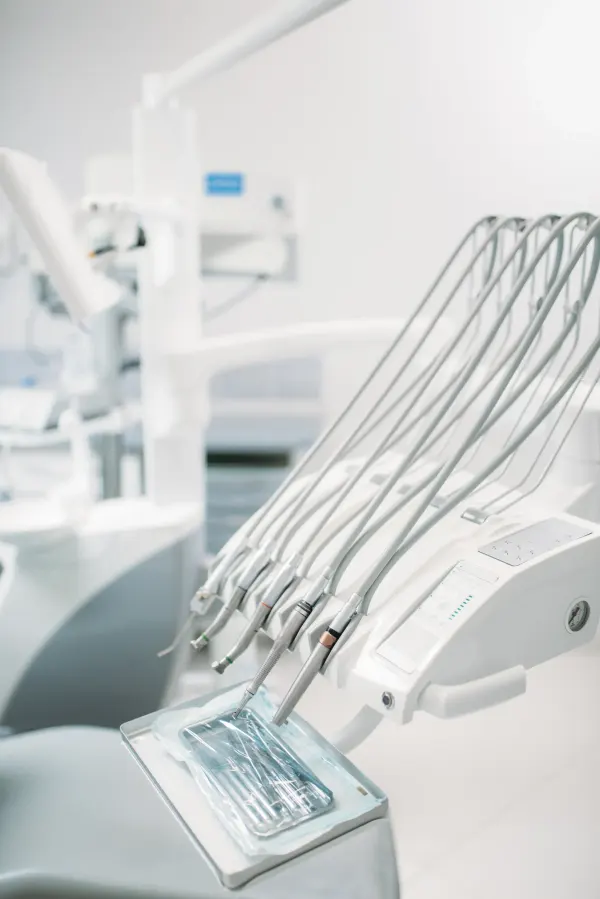
Understanding Tooth Decay
Cavities are one of the most common dental problems, but that does not make them any less disruptive. You may notice a sharp sting when sipping hot coffee or eating something cold. Chewing on one side becomes a habit because biting down on a certain tooth hurts. You might see a dark spot or feel a rough, chipped area with your tongue. Over time, untreated decay weakens the tooth structure, making it vulnerable to cracks, infection, and even tooth loss. What starts as minor sensitivity can quickly escalate into persistent pain that affects your ability to eat, sleep, and focus throughout the day.
Tooth-colored composite fillings stop decay in its tracks and restore your tooth to full strength. Dr. Manmode carefully removes the damaged tissue, then bonds a custom-matched composite resin directly to your tooth. The material is shaped and polished to match your natural bite, so chewing feels completely normal again. Because the filling bonds to the tooth surface, it actually reinforces the remaining structure rather than just filling a gap. Most patients leave the office pain-free and return to eating and drinking normally the same day, with a restoration that blends invisibly with the surrounding enamel.
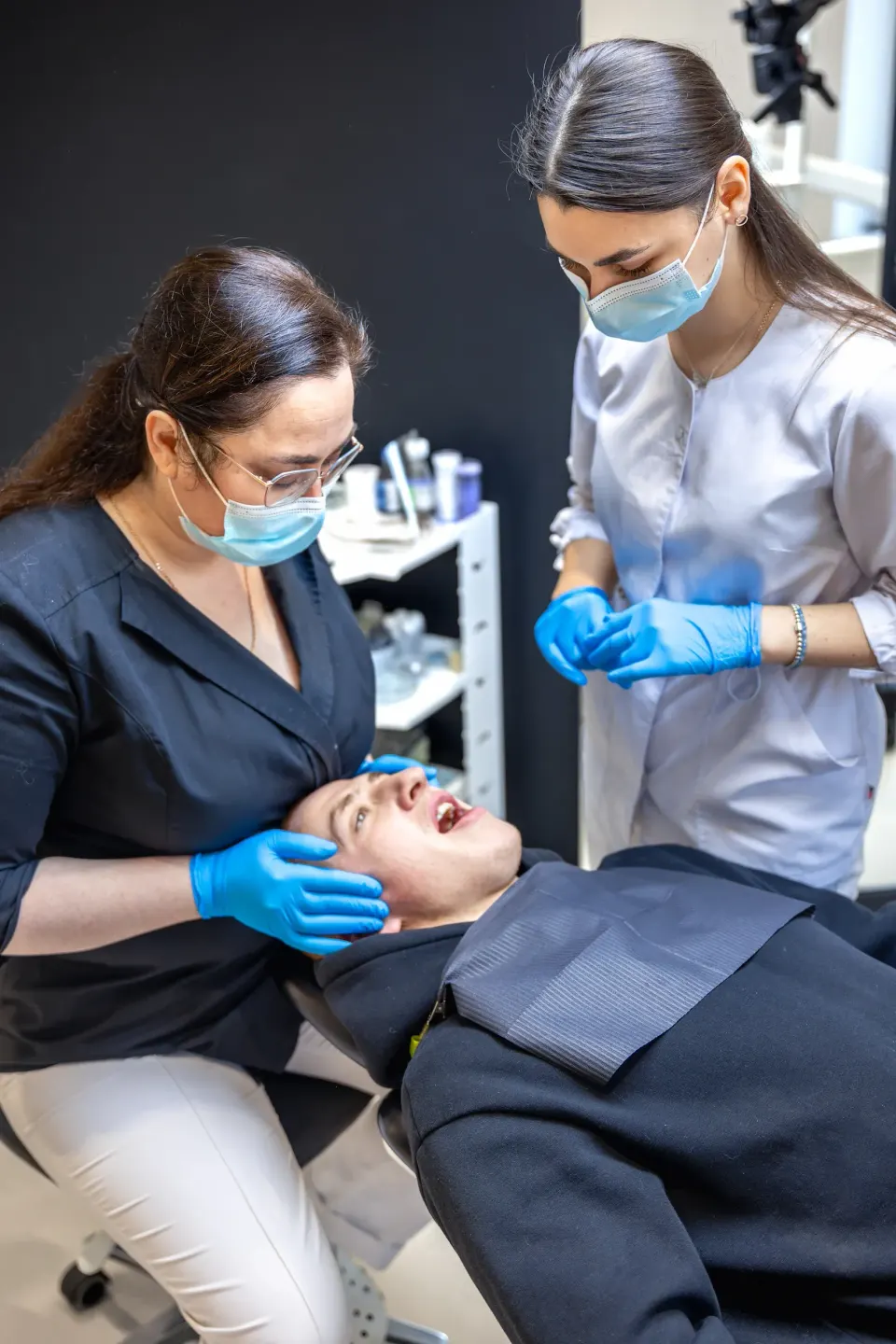
Finding Your Best Restoration
Dental fillings are appropriate for most patients who have a cavity or minor tooth damage that has not progressed to the tooth's inner pulp. During your exam, Dr. Manmode will assess the extent of decay and recommend the most conservative, effective treatment.
If a filling is not the right fit, Dr. Manmode will discuss alternatives such as dental crowns or root canal treatment to ensure the best long-term outcome for your tooth.
Natural-Looking Restoration

Custom-shaded composite resin blends invisibly with your natural enamel
Teeth are fully restored and functional in a single appointment
Biocompatible composite resin contains no metal or mercury
Adhesive bonding requires less removal of healthy tooth compared to amalgam
Properly placed fillings typically last five to 15 years with good care
The cost of composite dental fillings in Longwood, FL typically ranges from $150 to $400 per tooth. The final price depends on several factors, including the size and location of the cavity, the number of tooth surfaces involved, and whether sedation or additional treatment is needed. Exact pricing will be discussed during your consultation based on your individual treatment plan.
Most dental insurance plans cover composite fillings as a standard restorative procedure, typically at 70 to 80 percent after your deductible is met. Our team will verify your benefits and provide a clear estimate before treatment begins.
Dental World believes everyone deserves access to quality tooth replacement. We offer multiple financing solutions to fit your budget:
Many dental insurance plans now provide partial coverage for specialized treatments. Our team will help you understand your benefits and maximize your coverage. Contact us at (407) 830-4401 to discuss your options.

Compare Your Options
| Treatment | Mechanism | Time | Results | Duration | Downtime | Best For |
|---|---|---|---|---|---|---|
| Composite Fillings | Adhesive bonding | 30-60 min | Immediate | 5-15 years | None | Small to mid-size cavities |
| Dental Crowns | Full-tooth coverage | 2 visits | After fitting | 10-15+ years | Minimal | Large decay or fractures |
| Monitoring Only | Observation | N/A | None | N/A | None | Very early-stage decay |
Dr. Manmode applies a topical gel and administers local anesthesia to ensure the area is completely numb and comfortable.
Using a precision handpiece, Dr. Manmode carefully removes only the decayed tissue while preserving as much healthy tooth structure as possible.
Composite resin is applied in thin layers and hardened with a curing light, building up a strong, bonded restoration.
Dr. Manmode sculpts the filling to match your natural bite, then polishes the surface for a smooth, tooth-like finish.

What to Know
Temporary tooth sensitivity to hot, cold, or pressure is the most common side effect and typically resolves within one to two weeks. Mild gum soreness near the injection site may last a day or two. Numbness from the local anesthetic wears off within one to three hours after the procedure.
In uncommon cases, the filling may sit slightly high on the bite, causing discomfort when chewing. This is easily corrected with a quick adjustment at no additional cost. Allergic reactions to composite resin materials are extremely rare, occurring in fewer than one percent of patients. If decay was close to the nerve, some patients may experience prolonged sensitivity that occasionally requires further treatment.
Composite resin fillings are considered safe and biocompatible by the American Dental Association. They are mercury-free and metal-free, making them a widely accepted choice for patients of all ages. Dr. Manmode's careful technique and diagnostic expertise minimize the risk of complications and ensure each filling is placed with precision.
Your Questions Answered
No. Dr. Manmode numbs the area with local anesthesia before beginning, so you should feel only light pressure during the procedure. Most patients are surprised by how comfortable the experience is.
Composite fillings typically last five to 15 years with proper care. Longevity depends on the size of the filling, its location, your oral hygiene habits, and whether you grind your teeth.
Our composite fillings are made from a blend of glass particles and acrylic resin. They are mercury-free, metal-free, and custom-shaded to match your natural tooth color.
Common signs include sensitivity to hot, cold, or sweet foods, visible dark spots or holes in a tooth, and pain when chewing. A dental exam with X-rays is the most reliable way to detect cavities early.
Yes. Composite fillings harden immediately with the curing light. We recommend waiting until the numbness wears off, usually one to three hours, to avoid accidentally biting your cheek or tongue.
While uncommon, fillings can loosen over time due to normal wear, teeth grinding, or biting on hard objects. If a filling feels loose or falls out, contact our office right away so Dr. Manmode can repair or replace it.
Yes. Composite resin is considered safe and biocompatible by the American Dental Association. It contains no mercury or metal, making it a trusted choice for patients of all ages, including children.
Absolutely. Fillings are often part of a broader treatment plan. We frequently pair them with dental cleanings and exams for preventive care, or recommend dental crowns if a cavity is too large for a standard filling.

Longwood's Trusted Provider
Nearly 20 years of clinical expertise in restorative and general dentistry
Patient comfort is prioritized with careful numbing and a calm approach
Custom shade matching for fillings that blend seamlessly with your smile
Welcoming environment for patients of all ages, from children to seniors
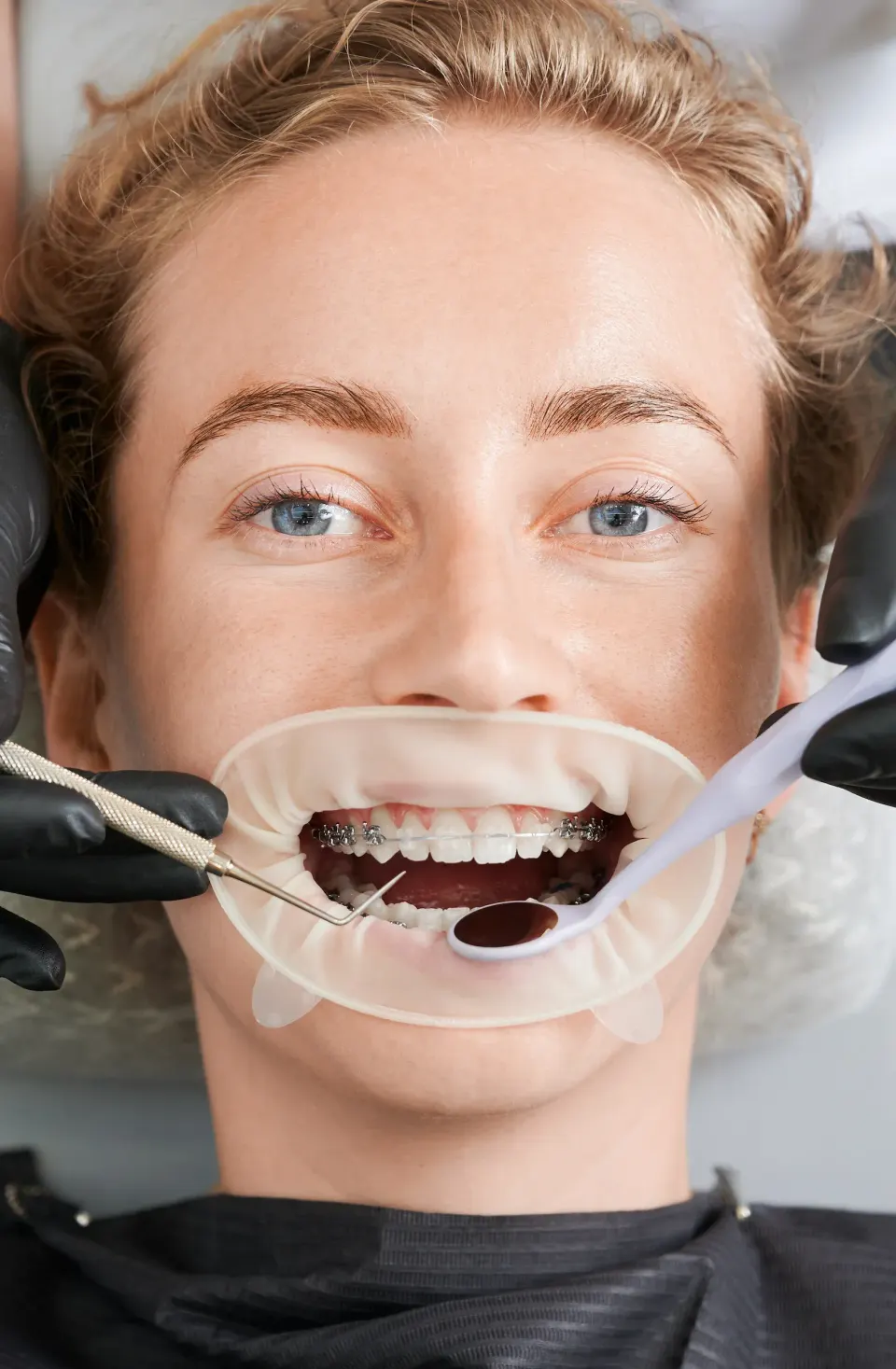
The Science of Tooth Restoration
Dental fillings are restorations used to repair teeth that have been damaged by decay (cavities). Modern composite resin fillings are made from a blend of glass particles and acrylic resin that bonds directly to the tooth surface, restoring both function and appearance. Unlike traditional metal amalgam fillings, composite fillings are mercury-free and match the natural color of your teeth.
Composite resin fillings use a process called adhesive bonding to attach to the tooth structure. Dr. Manmode applies the material in layers, using a special curing light to harden each layer through a process called photopolymerization. This layered technique creates a strong, durable bond that reinforces the remaining tooth. Clinical research shows that composite restorations achieve survival rates above 89% at five years when properly placed.
The process is straightforward and typically completed in a single visit. After numbing the area with a local anesthetic, Dr. Manmode gently removes the decayed tissue, cleans the cavity, and places the composite filling in layers. The tooth is shaped and polished so your bite feels natural and comfortable.
Your filling is fully functional immediately after placement. With proper oral hygiene and regular dental checkups, composite fillings typically last five to 15 years or longer. Factors such as the size and location of the filling, your bite force, and daily habits like grinding or clenching can influence longevity.