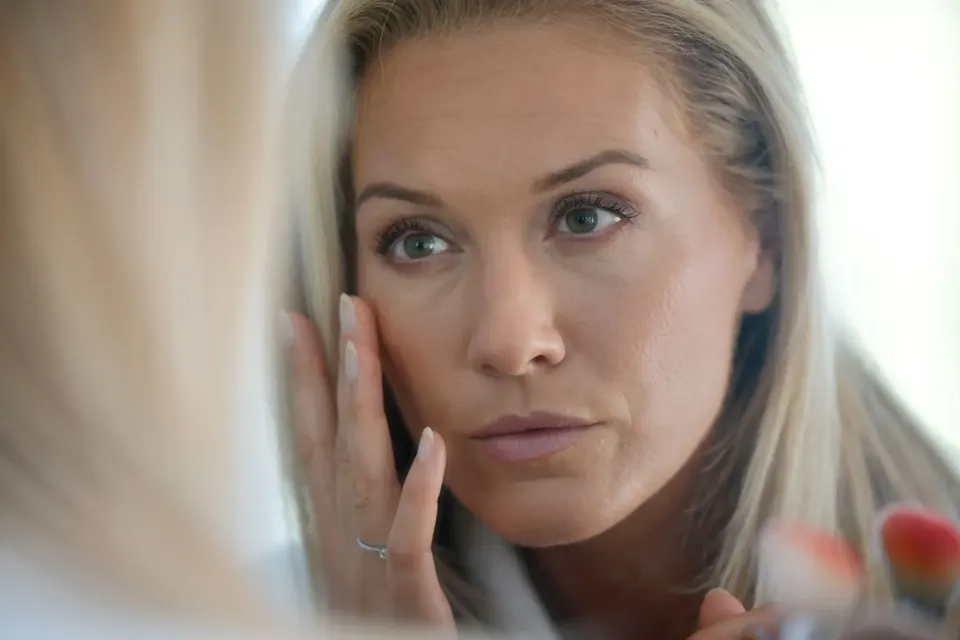
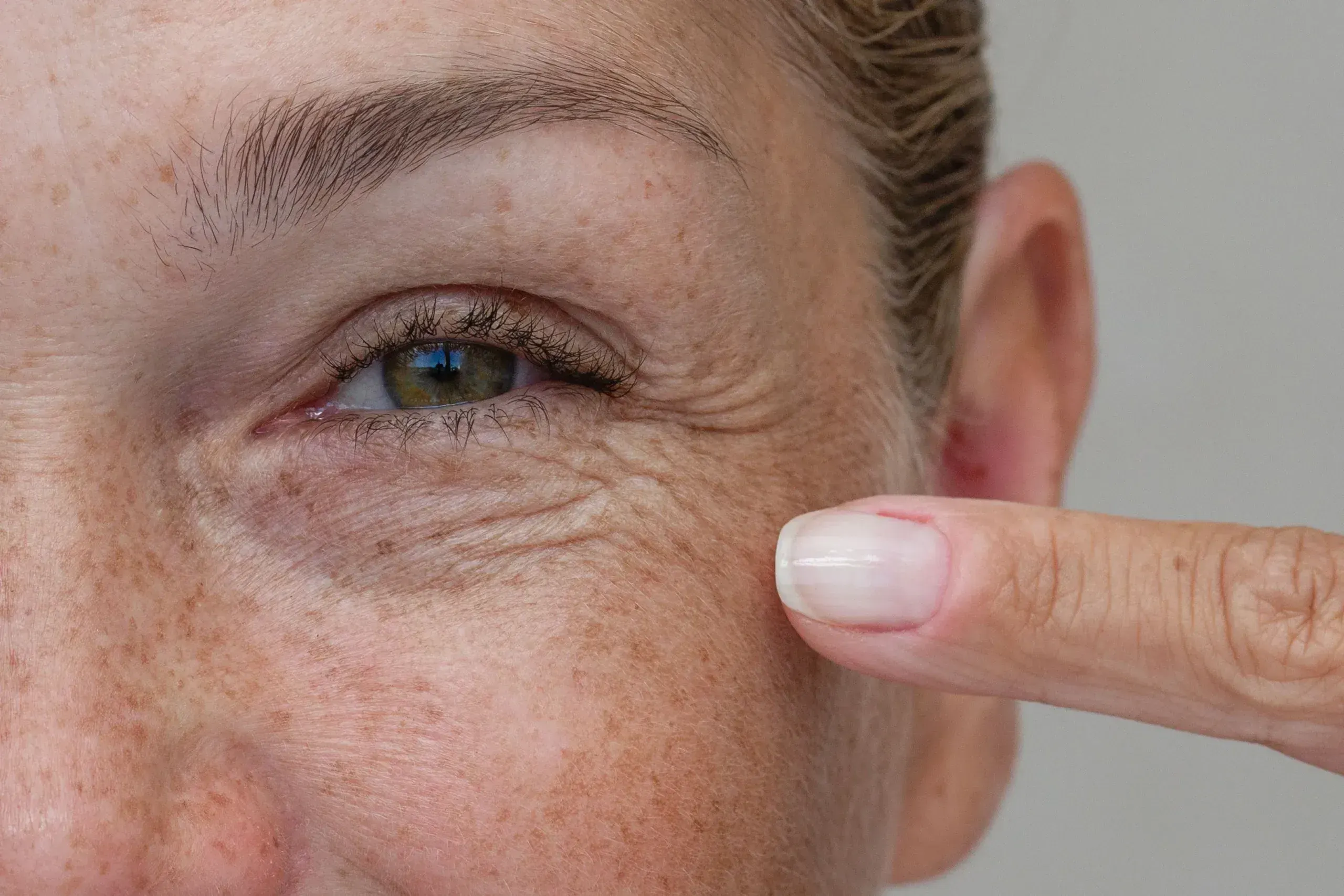

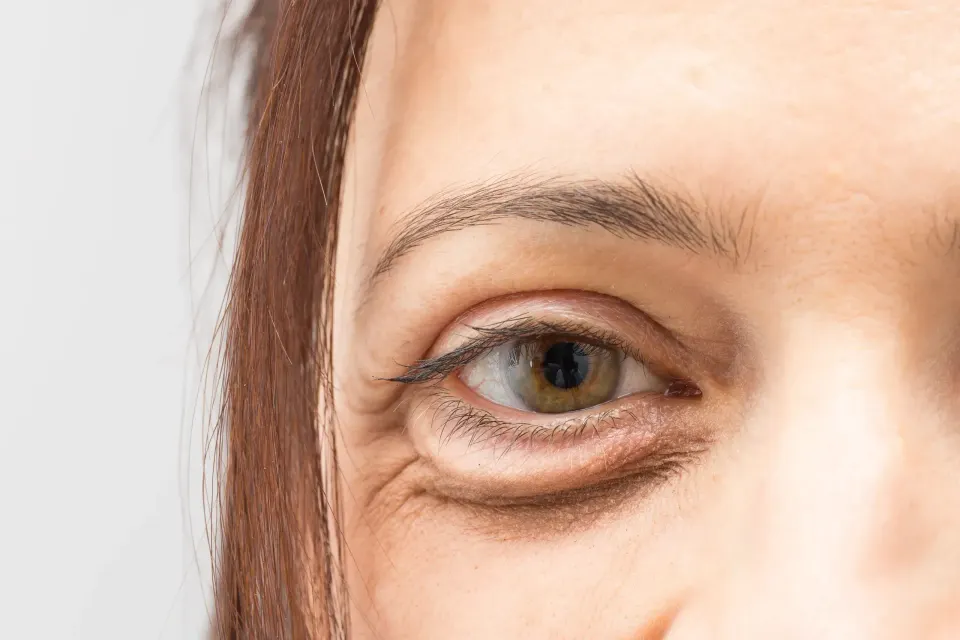
Close-up of facial wrinkles being assessed for treatment at Dental World Longwood FL

Wrinkle Treatment in Longwood, FL

Smooth, Refresh, and Restore Your Skin

Common In:Adults 25+
Primary Causes:UV Exposure, Aging, Repetitive Expression
Treatment Time:30-60 minutes per session
Results:Gradual improvement over 4-12 weeks
Educational diagram distinguishing dynamic and static facial wrinkles at Dental World Longwood FL

What Are Facial Wrinkles?

Recognizing the Signs

Facial wrinkles fall into two clinically distinct categories. Dynamic wrinkles form in direct response to repeated muscle contractions: the furrows between the brows (glabellar lines), crow's feet at the outer eyes, horizontal forehead creases, and vertical lip lines all develop over years of squinting, smiling, and frowning. Static wrinkles, in contrast, are visible even when the face is completely at rest. Deeper nasolabial folds, marionette lines, and heavy forehead creases fall into this group, reflecting cumulative loss of collagen, elastin, and soft tissue volume rather than muscle movement alone.

When you look in the mirror and notice lines that linger long after your expression has relaxed, or creases that have deepened noticeably in photos taken over the past few years, you are observing the combined effect of intrinsic aging and environmental exposure. Dynamic wrinkles tend to catch your attention during conversation; static wrinkles create a sense of tiredness or heaviness that remains regardless of how rested you actually feel.

Many patients describe the experience as a disconnect: feeling energized and well but seeing a face in photographs that looks older or more fatigued than expected. This concern is extremely common, affects virtually every adult over time, and today responds well to a range of non-surgical interventions that work at different tissue depths and through different biological mechanisms.

Illustration of UV photoaging and collagen breakdown causing facial wrinkles at Dental World Longwood

Why Facial Wrinkles Develop

Understanding the Root Causes

The single largest driver of visible facial aging is cumulative ultraviolet exposure. According to the American Academy of Dermatology, photoaging from UV radiation is responsible for approximately 80% of visible facial aging, including fine lines, uneven pigmentation, and loss of skin firmness. UVA rays (which penetrate window glass and remain constant year-round) reach the dermis and degrade collagen scaffolding directly, while UVB rays damage surface cells and trigger inflammatory pathways that accelerate protein breakdown over time.

Intrinsic aging runs alongside photoaging as a separate, unavoidable process. Collagen synthesis declines at roughly 1% per year after the mid-twenties, meaning that by age 50 the dermis contains significantly less structural support than it did at 25. Elastin, the protein that allows skin to snap back after movement, degrades even faster under UV stress than it does through intrinsic aging alone, which explains why sun-exposed areas wrinkle earlier and more severely than skin that has been chronically protected.

Glycation adds a third layer of damage: when excess sugars bind to collagen fibers, they form advanced glycation end products (AGEs) that stiffen and cross-link the collagen network. The result is a dermis that cannot flex normally, rebounds more slowly after expression, and reflects light less evenly, all of which deepen the appearance of both dynamic and static wrinkles over time.

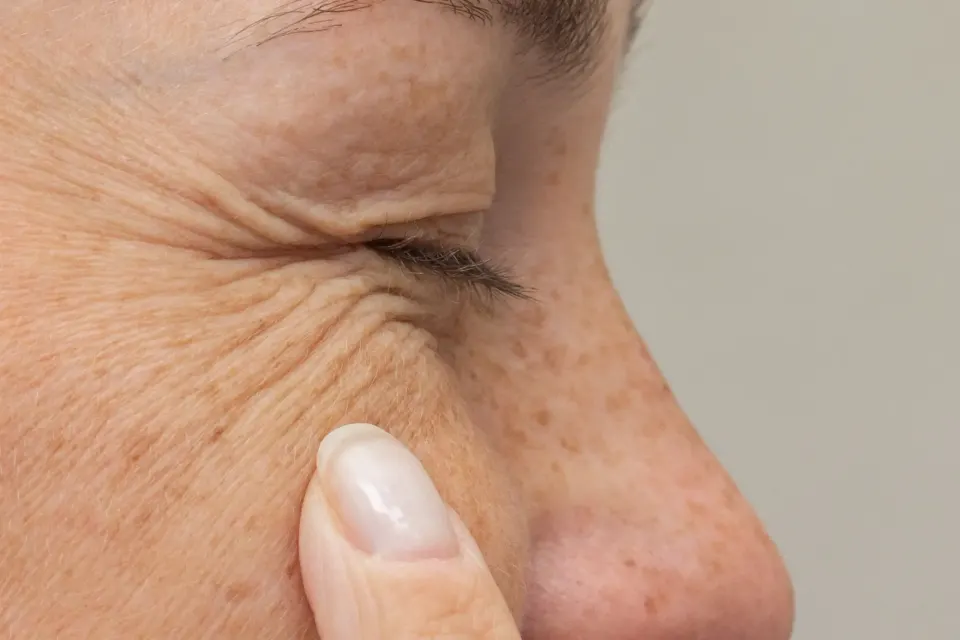
Diagram showing UV-A and UV-B pathways in skin aging at Dental World Longwood Florida

How Photoaging Damages the Dermis

UV-A vs UV-B Effects on Collagen

The dermis contains two primary structural proteins: type I collagen, which provides tensile strength and firmness, and elastin, which gives skin its elastic recoil. In healthy, protected skin these proteins are organized in dense, well-ordered networks. Chronic UV exposure disrupts this architecture through a mechanism called matrix metalloproteinase (MMP) upregulation: UV light activates enzymes that actively digest existing collagen fibers while simultaneously suppressing new collagen synthesis. This dual effect, breaking down old collagen faster than it can be replaced, is what gives chronically sun-exposed skin its crepey, thinned appearance beneath wrinkle lines.

UVA and UVB rays each contribute to this process through different pathways. UVA radiation (wavelengths 315-400 nm) penetrates deeply into the dermis and generates reactive oxygen species that trigger MMP activation and damage collagen cross-links indirectly. UVB radiation (wavelengths 280-315 nm) is absorbed primarily in the epidermis, where it creates pyrimidine dimers in DNA that, over decades of exposure, impair the keratinocytes responsible for signaling healthy dermal renewal. Together these mechanisms explain why daily broad-spectrum SPF 30+ sunscreen use is considered the highest-evidence single intervention for slowing wrinkle formation, regardless of any other treatment a person pursues.

Repetitive expression compounds the structural damage. Each time a muscle contracts beneath thinned, collagen-depleted skin, the fold that forms is sharper and slower to release than it would be in younger, denser dermis. Over years this process etches dynamic lines into progressively less resilient tissue, ultimately converting what were once temporary expression lines into permanent static creases that remain visible even when the muscle is at rest.

Lifestyle and environmental factors contributing to facial wrinkles at Dental World Longwood FL

What Accelerates Facial Wrinkles?

Identifying Your Triggers

01

Repetitive Expression

Squinting, frowning, and smiling contract the same muscle groups thousands of times each day. Over years this repetitive folding etches dynamic lines into the skin that eventually remain visible at rest.

02

UV Exposure

Cumulative sun exposure degrades collagen and elastin through MMP activation, accelerating wrinkle formation at a rate the <a href="https://www.aad.org/public/everyday-care/sun-protection" target="_blank" rel="noopener">American Academy of Dermatology</a> attributes to approximately 80% of visible facial aging.

03

Collagen Decline

Collagen synthesis slows by roughly 1% per year after the mid-twenties. As the structural scaffolding of the dermis thins, skin folds more deeply with expression and rebounds more slowly afterward.

04

Smoking

Tobacco smoke generates reactive oxygen species that fragment collagen fibers and constrict dermal blood vessels, impairing the oxygen and nutrient delivery skin needs for ongoing repair and renewal.

05

Sleep Position

Sleeping on your side or stomach presses the same areas of the face into a pillow for hours each night, creating compression creases that deepen over time, particularly around the cheeks, chin, and chest.

06

Dehydration and Diet

Inadequate water intake reduces dermal plumpness and makes existing lines appear more pronounced. Diets high in refined sugar accelerate glycation, stiffening collagen fibers and reducing skin resilience.

Dental World clinic interior in Longwood Florida offering facial esthetic consultations

Why Choose Dental World for Wrinkle Care in Longwood, FL

Expert Care in Longwood

  • Comprehensive Skin Assessment
  • Oral Pathology Precision
  • Non-Invasive First Approach
  • Flexible Payment Options

Treatment Options Comparison

Finding Your Best Approach

Treatment Best For Session Time Results Timeline Maintenance
Exion Face Fine lines, laxity, dull/uneven texture 20 - 30 min Visible after 2 - 3 sessions; peaks at 3 months 1 session every 3 - 6 months
Emface Sagging brows, flat cheeks, facial laxity 20 min Gradual over 90 days post-series 1 session every 6 - 12 months
Patient concerned about forehead lines and crow's feet at Dental World Longwood FL

You May Be Experiencing Facial Wrinkles If...

Recognizing When to Seek Help

  • Forehead Lines at Rest
  • Crow's Feet That Linger
  • Smile Lines Getting Deeper
  • Vertical Lip Lines
  • Crepey Under-Eye Texture
  • Photos Show More Than You Feel

Frequently Asked Questions

About Facial Wrinkles

01 What is the difference between a dynamic wrinkle and a static wrinkle?

Dynamic wrinkles appear only when a facial muscle contracts (during smiling or frowning) and fade when the face relaxes. Static wrinkles remain visible at rest because the overlying skin has lost enough collagen and elastin that it can no longer spring back. Many adults have both types simultaneously, which is why a combined treatment approach often works best.

02 Can I prevent my wrinkles from getting deeper?

Yes, to a meaningful degree. Daily broad-spectrum SPF 30+ sunscreen is the single highest-evidence preventive measure, since photoaging drives roughly 80% of visible facial aging. Adding a medical-grade retinoid supports collagen synthesis, and staying well hydrated reduces the temporary deepening caused by skin laxity.

03 How do I know which treatment is right for my wrinkles?

The right treatment depends on whether your wrinkles are primarily dynamic or static, how deep they are, and what your skin condition is overall. A professional consultation allows Dr. Manmode to assess all of these factors and recommend the most appropriate starting point, whether that is RF microneedling, topical therapy, or a referral for injectable treatment.

04 How quickly will I see improvement after non-invasive treatment?

Timeline varies by treatment type. Medical-grade topical skincare typically shows visible improvement within 2-8 weeks of consistent use. Energy-based treatments such as RF microneedling stimulate collagen gradually, so peak results often appear 8-12 weeks after the final session in a series.

05 Is it normal for wrinkles to develop in my thirties?

Yes. Collagen synthesis begins declining in the mid-twenties, and many people notice the first fine lines in their late twenties to early thirties, particularly in sun-exposed or high-movement areas like the outer eye corners and forehead. Early intervention, including consistent sun protection and targeted topical care, is most effective at this stage.

06 What can I do at home between professional treatments?

Daily SPF is the most impactful habit. A retinoid or retinol product applied at night supports collagen production and accelerates cell turnover. A peptide-rich moisturizer maintains barrier function. Staying hydrated, sleeping on your back when possible, and wearing UV-blocking sunglasses to reduce squinting all contribute incrementally over time.

07 Can multiple wrinkle treatments be combined at Dental World?

In many cases, yes. Medical-grade skincare works well alongside energy-based or HIFES treatments because each acts on a different aspect of skin aging. Dr. Manmode designs combination plans when appropriate and sequences treatments to avoid overlapping recovery demands or diminishing returns.

08 When should I see a professional about my wrinkles rather than using over-the-counter products?

If wrinkles are visible at rest, have deepened noticeably over the past year, or are affecting how confident you feel in photos and social settings, a professional consultation is worthwhile. Over-the-counter products have a limited concentration ceiling, whereas clinical options work at tissue depths that cosmetic-counter products cannot reach.

Location1250 W State Rd 434, STE 1008
Longwood, FL, 32750

Schedule Your Consultation

Scientific References