Examination
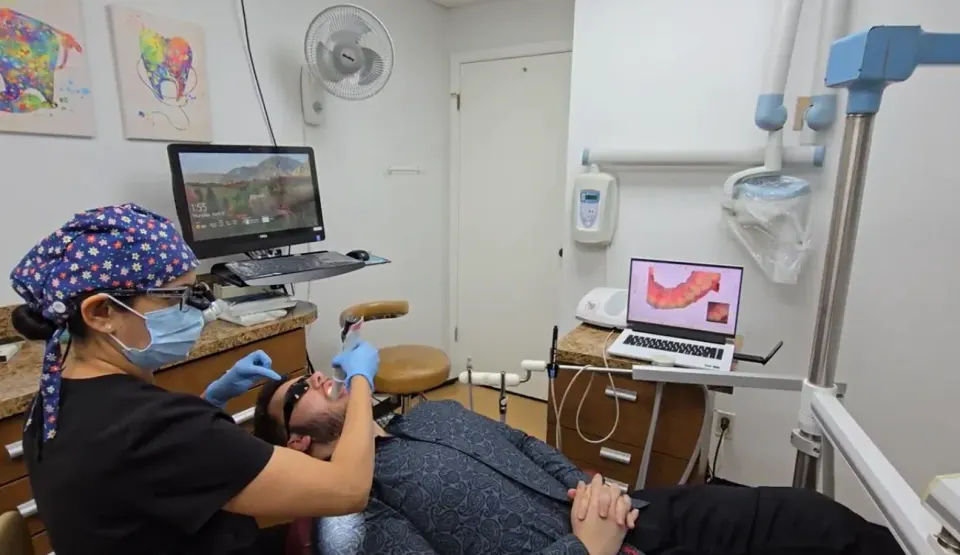
Dr. Manmode performs a thorough exam with X-rays to evaluate the tooth and surrounding bone structure.

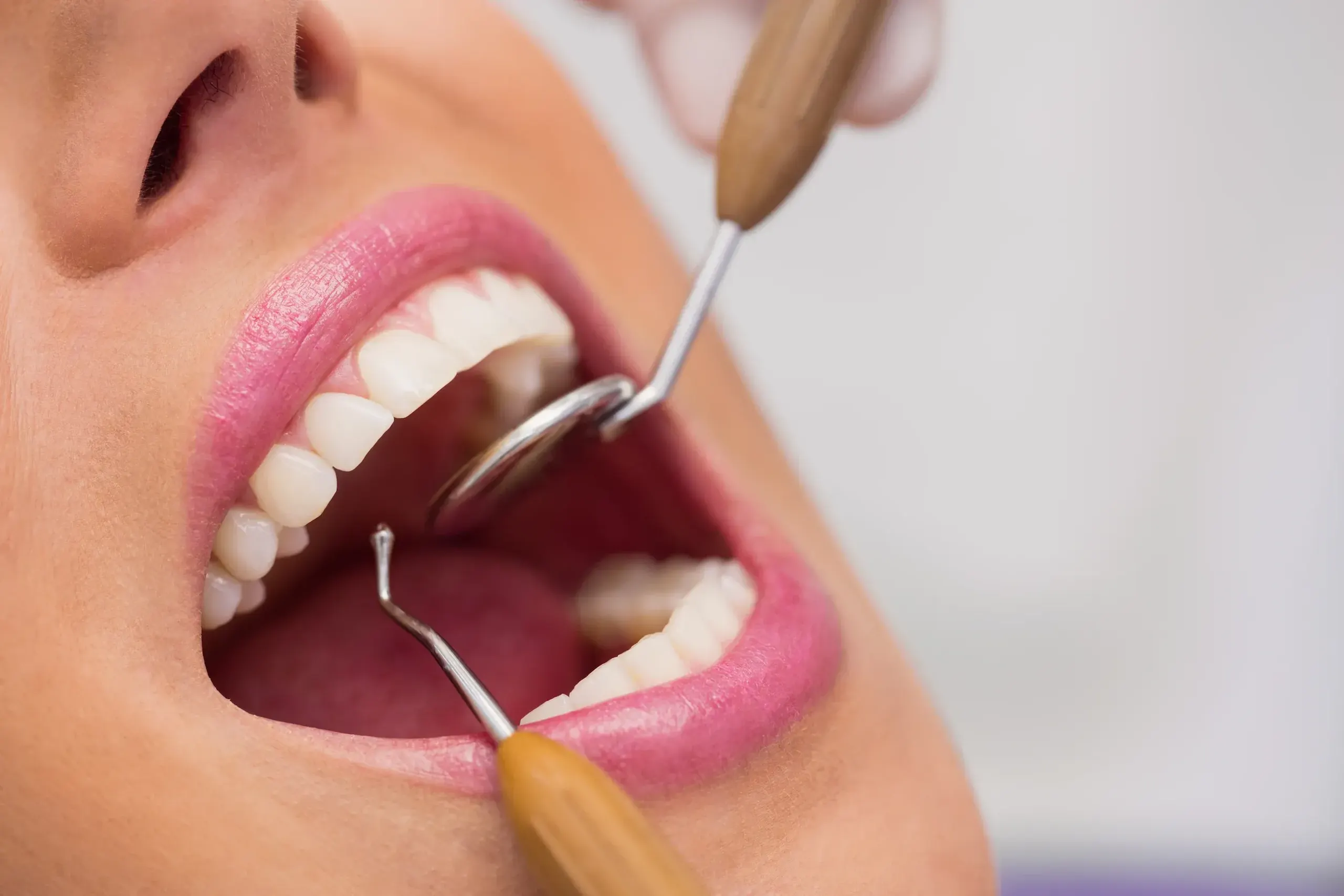
Safe, comfortable tooth removal performed with precision and compassion when a tooth cannot be saved.
Understanding Tooth Damage
A severely damaged or decayed tooth can affect far more than just your smile. You may experience persistent pain when eating or drinking, sensitivity that disrupts your daily routine, or swelling that makes it difficult to concentrate at work or enjoy time with family. Left untreated, an infected or broken tooth can spread bacteria to neighboring teeth and gums, potentially leading to more serious complications including bone loss and systemic health concerns.
Tooth extraction removes the source of pain and infection, allowing your mouth to begin healing properly. Dr. Manmode uses modern techniques and local anesthesia to ensure your comfort throughout the procedure. Whether the tooth requires a simple or surgical approach, the process is typically quicker and more straightforward than most patients expect. After healing, we discuss restorative options like dental implants, bridges, or dentures to restore your complete smile.
Finding Your Best Path Forward
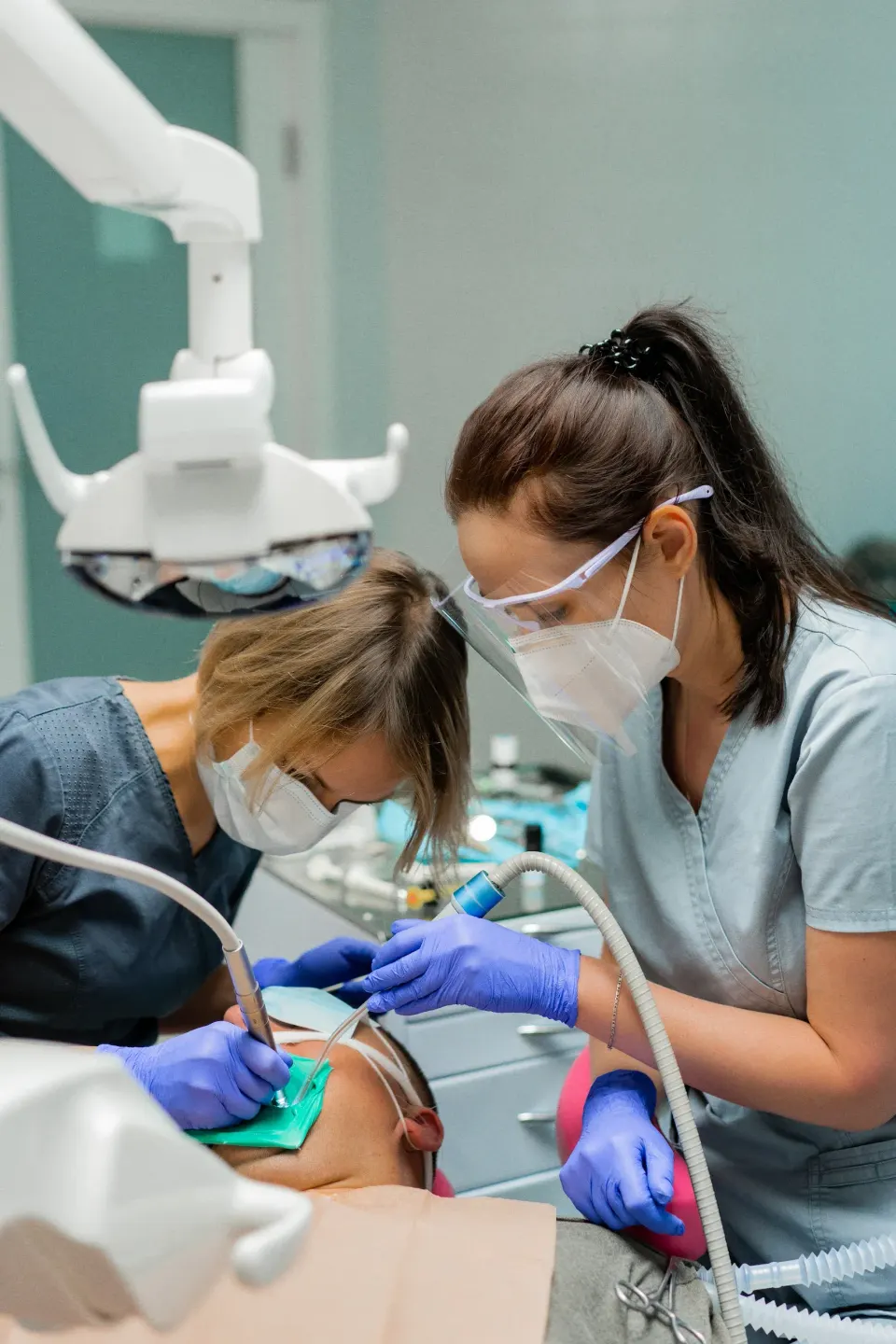
Tooth extraction may be the right choice when a tooth is too damaged or decayed to be restored through other dental treatments. Dr. Manmode carefully evaluates each situation to determine whether extraction is truly the best option for your long-term oral health.
During your consultation, Dr. Manmode reviews your complete medical history to ensure extraction is safe and appropriate for your individual situation. Certain medications and health conditions may require coordination with your physician before proceeding.
Relief and Renewed Oral Health
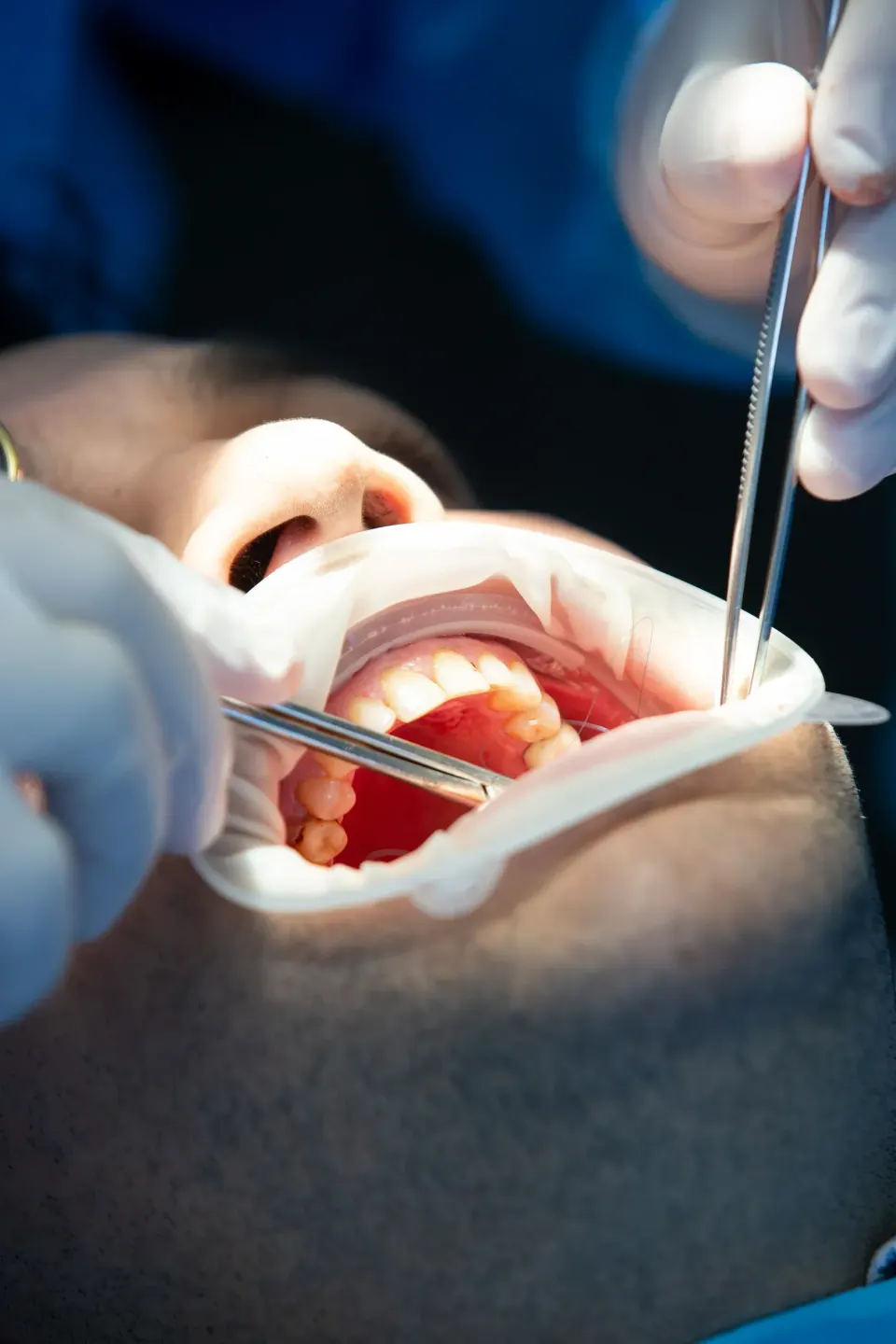
Eliminates the source of toothache and chronic discomfort right away
Stops infection from spreading to neighboring teeth and jawbone
Most extractions completed in under an hour with local anesthesia
Modern techniques minimize trauma for faster, more comfortable healing
Opens the path to implants, bridges, or dentures for a complete smile
The cost of tooth extraction in Longwood, FL varies depending on the complexity of the procedure. Simple extractions for visible, fully erupted teeth typically range from $150 to $300 per tooth. Surgical extractions for impacted, broken, or teeth below the gumline generally range from $225 to $550 per tooth. Factors that affect pricing include the tooth's position, the need for surgical access, sedation preferences, and whether bone grafting is recommended for future implant placement. Exact pricing will be discussed during your consultation based on your individual treatment plan.
Most dental insurance plans cover a significant portion of medically necessary tooth extractions. Our team will verify your benefits and explain your coverage before treatment begins.
Dental World believes everyone deserves access to quality tooth replacement. We offer multiple financing solutions to fit your budget:
Many dental insurance plans now provide partial coverage for specialized treatments. Our team will help you understand your benefits and maximize your coverage. Contact us at (407) 830-4401 to discuss your options.

Compare Your Options
| Treatment | Mechanism | Time | Results | Duration | Downtime | Best For |
|---|---|---|---|---|---|---|
| Tooth Extraction | Physical removal | 30-60 min | Immediate relief | Permanent | 3-7 days | Unsalvageable teeth |
| Root Canal Treatment | Nerve removal/seal | 60-90 min | Saves the tooth | 10-15+ years | 1-2 days | Infected but restorable teeth |
| Dental Crown | Covers/strengthens | 2 visits | Restores function | 10-15 years | Minimal | Cracked but viable teeth |
Dr. Manmode performs a thorough exam with X-rays to evaluate the tooth and surrounding bone structure.
Sheetal applies local anesthetic to completely numb the treatment area, ensuring you feel no pain.
Using precision instruments, Sheetal gently loosens and removes the tooth with minimal disruption to surrounding tissue.
The extraction site is cleaned, and gauze is placed to promote blood clot formation and begin healing.
You receive clear aftercare instructions and discuss restorative options like implants or bridges.

What to Know
Mild to moderate swelling and discomfort at the extraction site are normal and typically resolve within three to five days. Minor bleeding or oozing may continue for 12 to 24 hours. Temporary bruising of the surrounding skin may occur, particularly with surgical extractions. Stiffness or limited jaw opening may last a few days.
Dry socket (alveolar osteitis) occurs in approximately 1% to 5% of extractions, more commonly in lower back teeth. Symptoms include increased pain two to four days after extraction. Infection at the extraction site is uncommon but may require antibiotics. Nerve damage causing temporary numbness of the lip, tongue, or chin occurs in less than 1% of cases and is typically temporary.
Dr. Manmode's extensive training in oral pathology and nearly 20 years of clinical experience ensure safe, precise extractions. She reviews your complete medical history before the procedure and uses gentle, modern techniques to minimize trauma and promote optimal healing.
Your Questions Answered
No. Dr. Manmode uses local anesthesia to completely numb the area before the procedure. You may feel pressure during the extraction, but you should not experience pain. After the numbness wears off, over-the-counter pain medication typically manages any discomfort.
Most patients feel significantly better within two to three days. The initial healing of gum tissue takes one to two weeks, while complete bone healing may take several months. We provide detailed aftercare instructions to support a smooth recovery.
Stick to soft foods like yogurt, applesauce, mashed potatoes, and smoothies (without a straw) for the first two to three days. Gradually reintroduce solid foods as comfort allows. Avoid hot, spicy, or crunchy foods that could irritate the extraction site.
Extraction is recommended when a tooth is too severely decayed, fractured below the gumline, or infected beyond what a root canal or crown can repair. Dr. Manmode always explores conservative options first and recommends extraction only when it is the best choice for your health.
We offer several restorative solutions at Dental World, including dental implants for a permanent replacement, dental bridges to span the gap, and dentures for multiple missing teeth. Dr. Manmode will discuss which option best fits your needs during your consultation.
Simple extractions typically range from $150 to $300, while surgical extractions range from $225 to $550 per tooth. Most dental insurance covers a portion of extraction costs. We offer financing through Cherry Finance, Sunbit, Proceed, CareCredit, and other providers.
Yes, if only local anesthesia is used, you can safely drive yourself home. If sedation is required for a more complex extraction, you will need someone to drive you. We will let you know ahead of time so you can plan accordingly.
Longwood's Trusted Provider
Nearly 20 years of clinical expertise with simple and surgical extractions
Modern, minimally invasive approach designed to reduce discomfort and swelling
Same-office restorative solutions including implants, bridges, and dentures
Compassionate care for patients of all ages from children to seniors
The Science of Safe Tooth Removal
A tooth extraction is a dental procedure in which a tooth is removed from its socket in the jawbone. Extractions are performed when a tooth is too damaged by decay, trauma, or infection to be repaired with fillings, crowns, or root canal therapy. The procedure is one of the most common in dentistry, with studies showing dental caries and periodontal disease as the leading reasons for extraction in adult patients.
During extraction, the tooth is carefully loosened from the periodontal ligament and alveolar bone that hold it in place. For simple extractions, the tooth is visible above the gumline and can be removed with dental elevators and forceps. Surgical extractions are necessary when teeth are broken below the gumline, impacted, or not fully erupted, requiring a small incision in the gum tissue to access the tooth. Local anesthesia ensures you feel no pain during the procedure.
After numbing the area, Dr. Manmode gently rocks the tooth to widen the socket before removal. You may feel pressure but should not experience pain. For surgical cases, the tooth may be divided into smaller sections for easier, less invasive removal. The entire process typically takes 30 to 60 minutes depending on complexity.
A blood clot forms in the socket immediately after extraction, beginning the natural healing process. Initial soft tissue healing occurs within one to two weeks, while complete bone remodeling may take three to six months. Most patients return to normal activities within a few days.