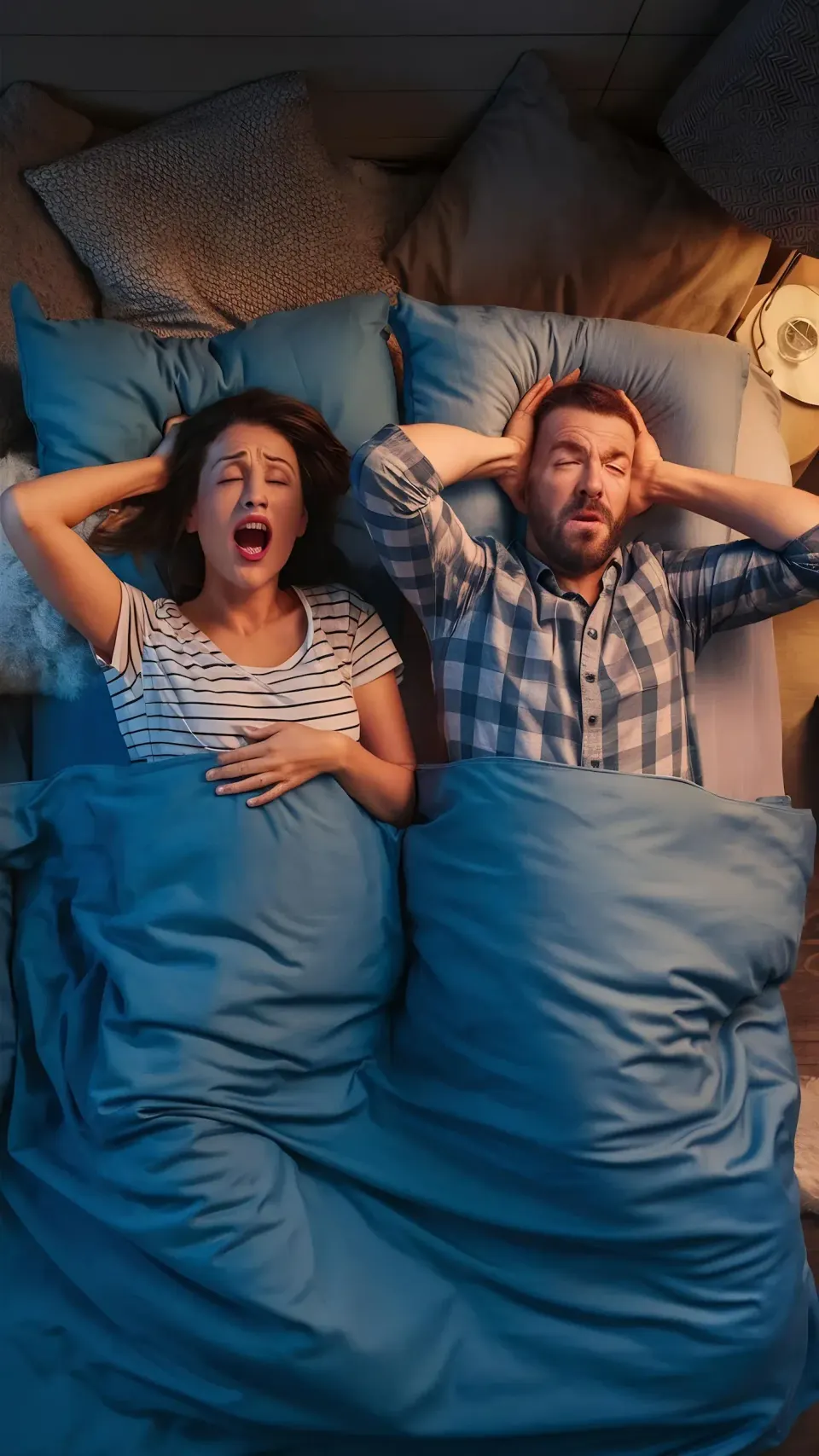
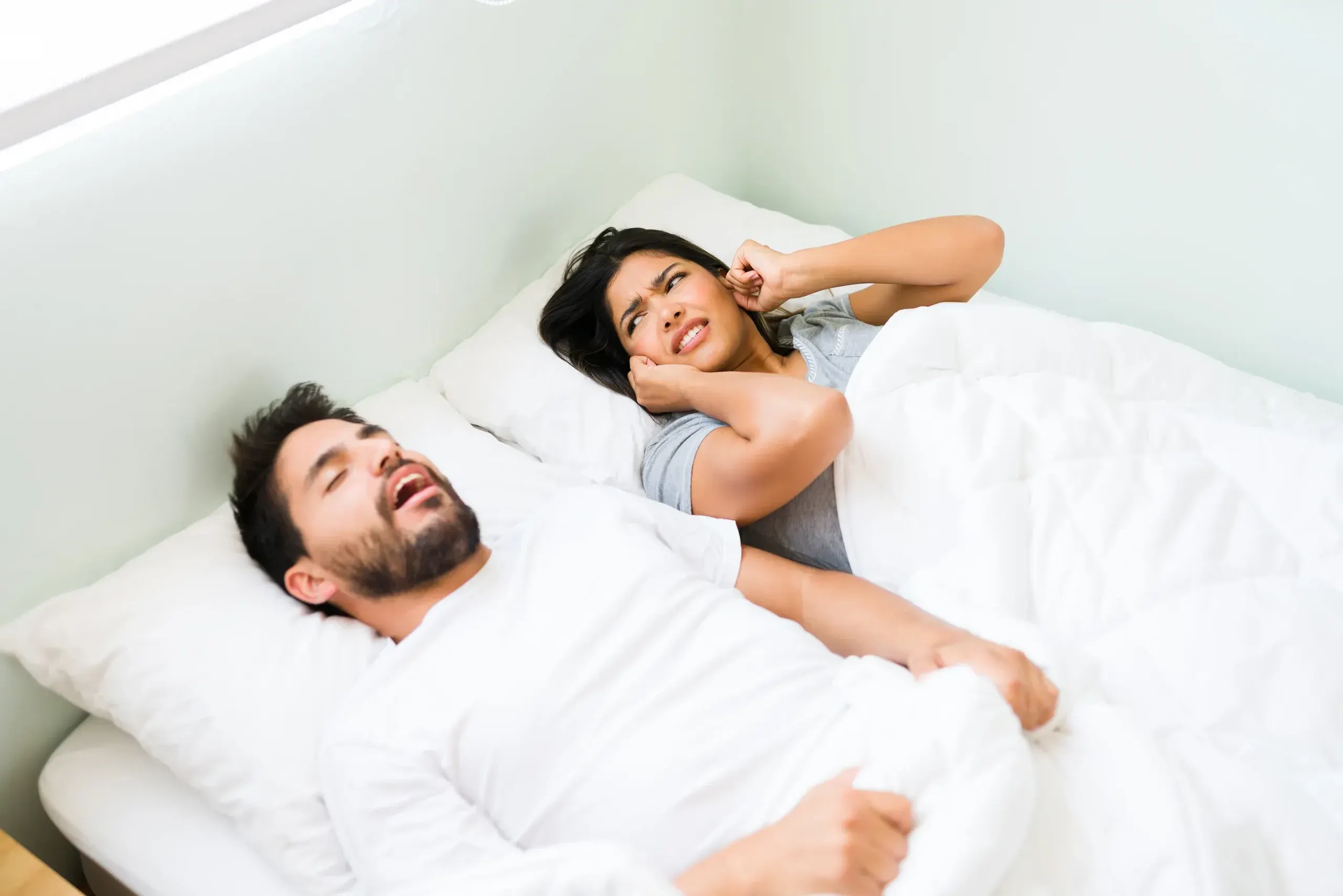
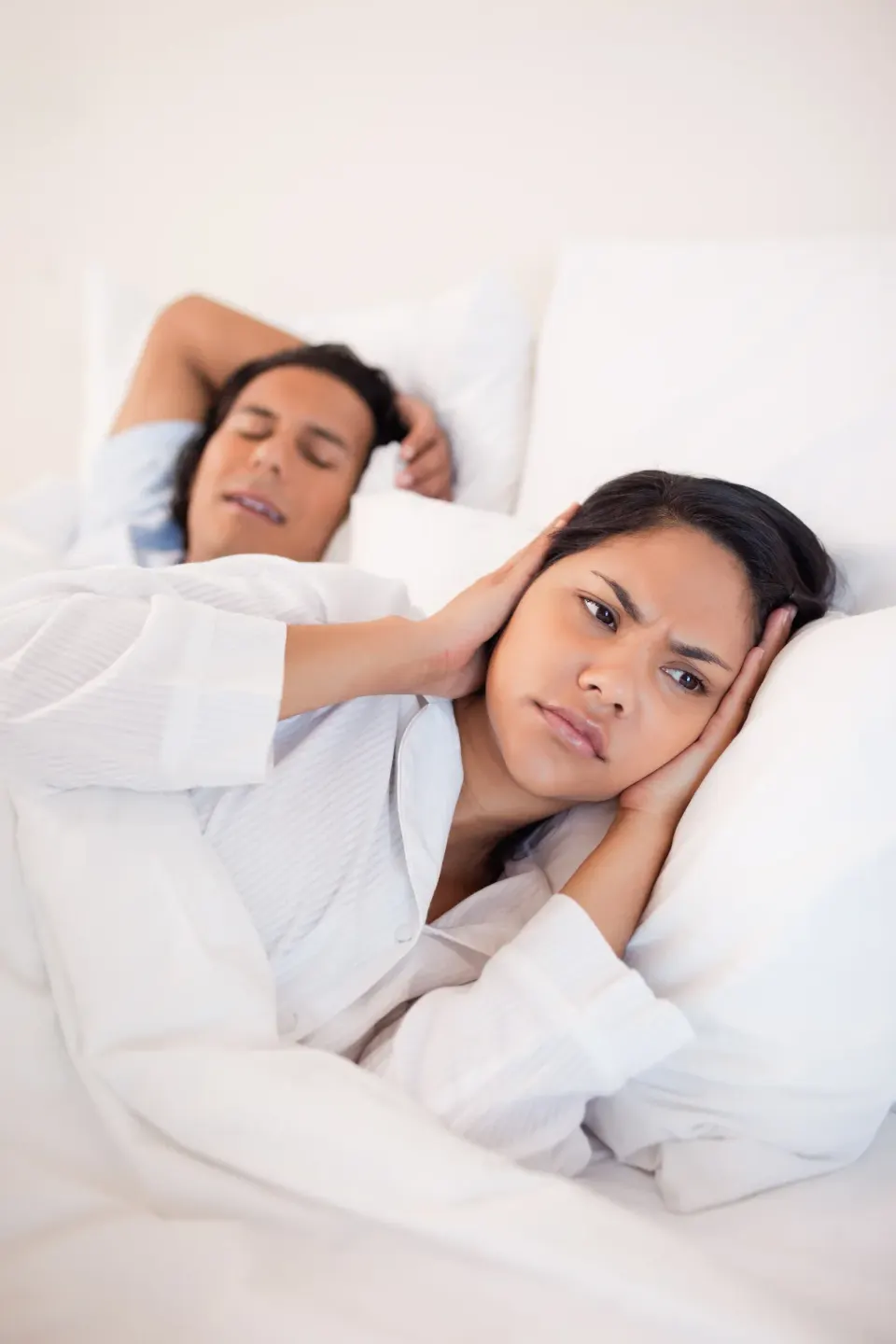
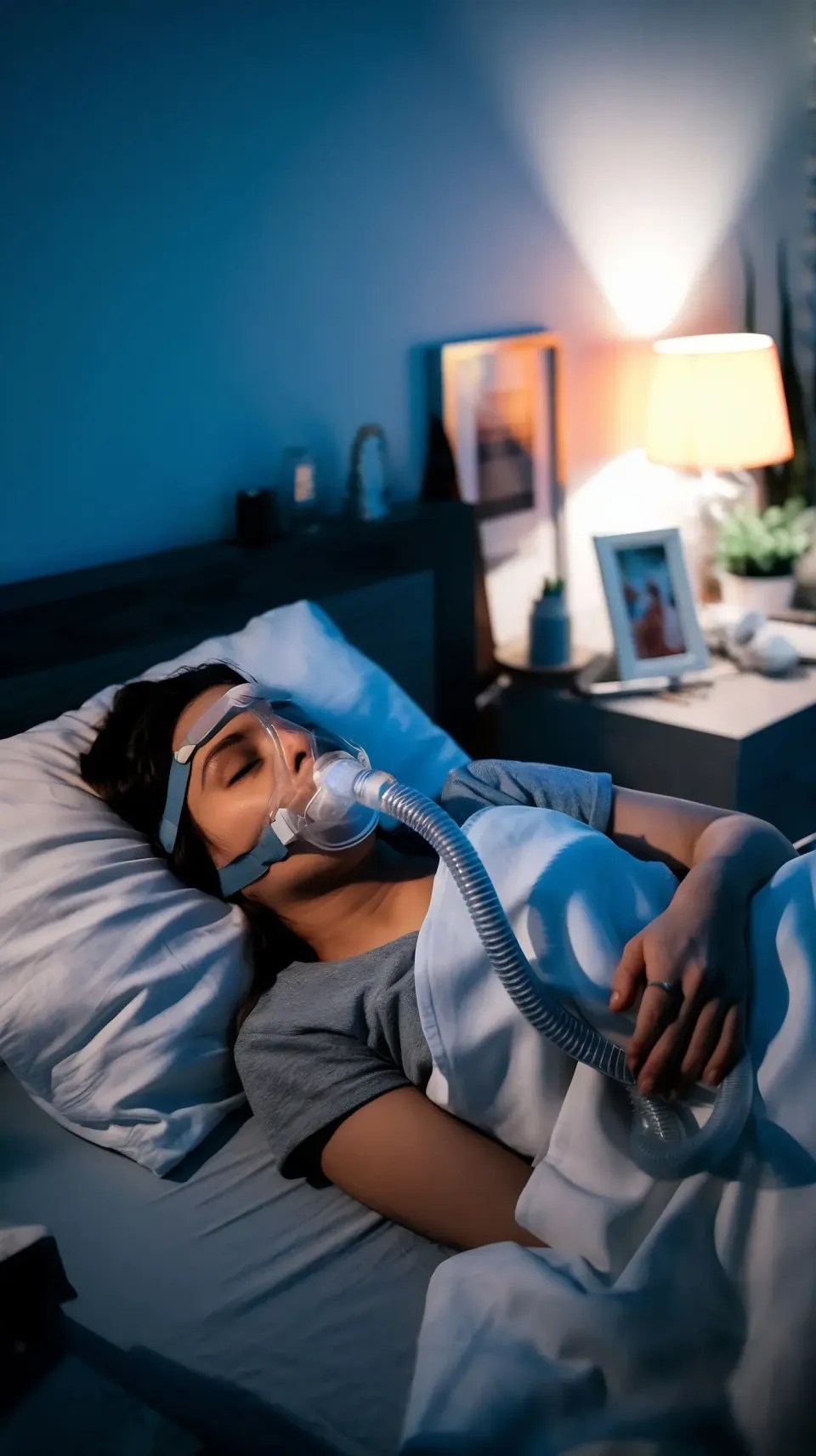
Patient consultation for snoring and sleep apnea treatment at Dental World in Longwood Florida

Snoring and Sleep Apnea Treatment in Longwood, FL

Rest Better, Live Better

Common In:Adults 30+ and overweight
Primary Causes:Airway anatomy, weight, sleep position
Treatment Time:Fitting visit: 60-90 minutes
Results:Reduced snoring within 1-2 weeks
Educational diagram of snoring and obstructive sleep apnea at Dental World Longwood

What Are Snoring and Sleep Apnea?

Recognizing the Signs

Snoring is the sound produced when soft tissues in the throat and upper airway vibrate as airflow becomes partially restricted during sleep. Obstructive sleep apnea (OSA) is a more serious condition in which the airway repeatedly collapses during sleep, causing breathing to pause for 10 seconds or longer, drops in blood oxygen, and abrupt arousals that fragment restorative sleep. Diagnosis of OSA must be made by a qualified sleep physician using a polysomnography (sleep study) or home sleep test; a dentist does not diagnose OSA.

When you or your partner notice loud, habitual snoring, gasping sounds during the night, or you wake feeling unrefreshed despite a full night in bed, you may be experiencing the hallmark signs of these conditions. OSA in particular can leave you feeling profoundly fatigued during the day even though you technically slept.

Many patients describe years of feeling perpetually tired, waking with headaches, or struggling to concentrate at work before a sleep study confirms what was happening overnight. Both simple snoring and OSA respond well to [targeted intervention](/longwood-fl/services/sleep-apnea-treatment-longwood-fl), and the first step is understanding what is happening in your airway.

Illustration of airway collapse during obstructive sleep apnea at Dental World Longwood Florida

Why Snoring and Sleep Apnea Happen

Understanding the Root Causes

During wakefulness, the muscles surrounding the upper airway hold the throat open. In deep sleep, particularly REM sleep, those muscles relax significantly. In people with a narrow or anatomically crowded airway, this normal relaxation is enough to cause soft tissue to vibrate (snoring) or collapse completely (apnea). The National Heart, Lung, and Blood Institute reports that OSA affects an estimated 30 million adults in the United States, with the majority undiagnosed.

When an apneic event occurs, oxygen saturation in the blood can drop by 3-4% or more within seconds. The brain senses this threat and sends an emergency arousal signal that partially wakens the sleeper, restoring muscle tone and reopening the airway. This cycle may repeat 5-30 or more times per hour, fragmenting sleep architecture and preventing the slow-wave and REM stages essential for cognitive restoration, immune function, and cardiovascular health.

Excess adipose tissue in the neck and throat adds mechanical pressure on the airway, compounding whatever anatomical predisposition exists. Alcohol and sedating medications relax upper-airway muscles beyond their baseline, worsening both snoring and apnea events. Supine (back) sleeping allows the tongue and soft palate to fall rearward by gravity, further reducing the diameter of the airway passage.
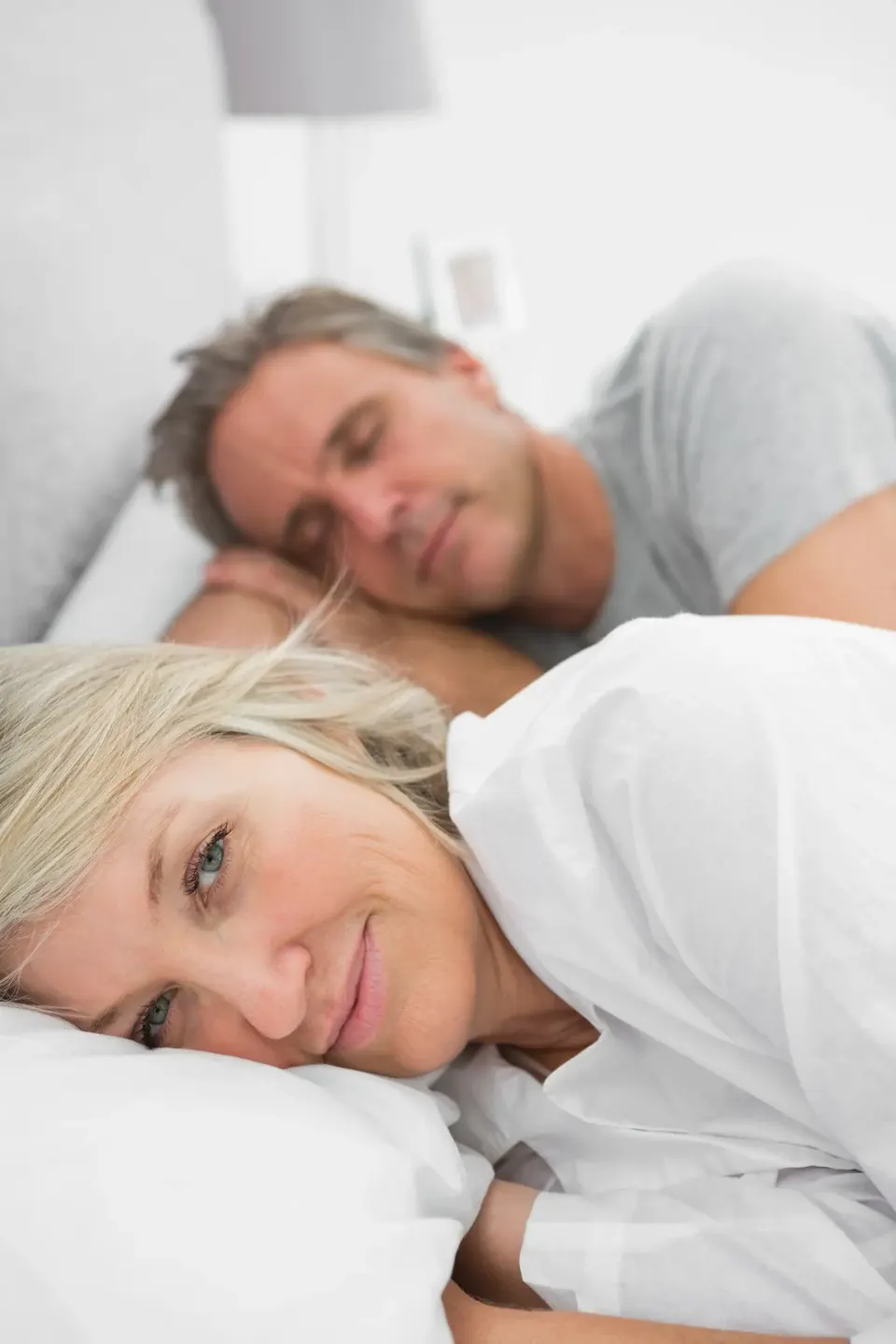
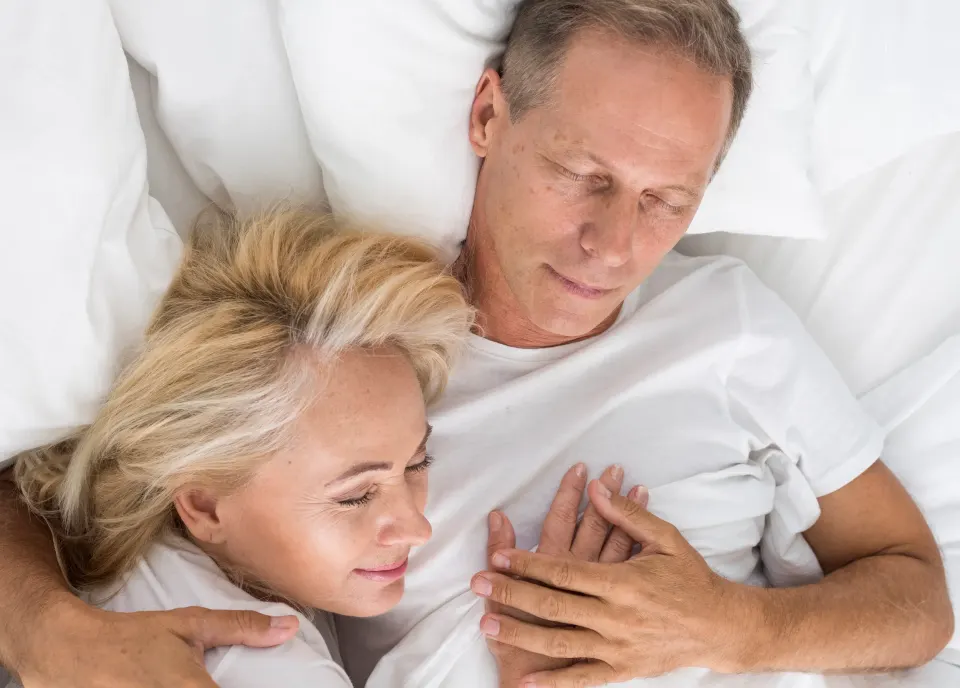
Custom mandibular advancement device oral appliance at Dental World Longwood Florida

How Oral Appliance Therapy Works

Mechanical Support for a Safer Airway

A mandibular advancement device (MAD) is a custom-fitted oral appliance worn during sleep that gently holds the lower jaw (mandible) in a slightly forward position. This forward positioning of the mandible tenses the soft tissue of the pharyngeal walls and repositions the tongue base, increasing the diameter of the upper airway and reducing the likelihood of collapse. The appliance is fabricated from dental impressions or digital scans so it fits precisely over your teeth, maintaining a comfortable protrusive bite without dislodging during sleep.

The American Academy of Dental Sleep Medicine (AADSM) and the American Academy of Sleep Medicine (AASM) jointly recommend oral appliance therapy as a first-line treatment for mild-to-moderate OSA, and as an evidence-based alternative for patients with moderate-to-severe OSA who are unable to tolerate or adhere to CPAP (continuous positive airway pressure) therapy. Studies consistently show MAD adherence rates significantly higher than CPAP adherence, making real-world effectiveness competitive with CPAP in many patients.

Dr. Sheetal R. Manmode, DDS works collaboratively with each patient's sleep physician. The sleep physician diagnoses OSA and monitors treatment outcomes through follow-up testing; Dr. Manmode designs, fits, and adjusts the oral appliance to achieve the target jaw advancement that reduces apneic events to an acceptable clinical threshold.

Lifestyle factors contributing to snoring and sleep apnea at Dental World Longwood

What Accelerates Snoring and Sleep Apnea?

Identifying Your Triggers

01

Anatomic Airway Narrowing

A naturally narrow throat, enlarged tonsils, a large tongue, deviated nasal septum, or small lower jaw creates less room for airflow, making partial obstruction more likely during sleep.

02

Excess Weight

Fatty tissue deposited around the neck and pharynx compresses the airway from the outside, substantially raising OSA risk even in younger adults without other predisposing anatomy.

03

Alcohol and Sedatives

Alcohol, sleep medications, and muscle relaxants suppress upper-airway neuromuscular tone beyond normal sleep levels, causing greater airway collapse and longer apnea events.

04

Sleep Position

Sleeping on your back allows the tongue and soft palate to fall rearward by gravity, reducing airway diameter and increasing the frequency of snoring and obstructive episodes.

05

Aging

Pharyngeal muscles lose tone with age, and the risk of OSA approximately doubles between the ages of 30 and 60 as tissues become more prone to collapse during relaxed sleep.

06

Nasal Congestion

Chronic nasal blockage from allergies or a deviated septum shifts breathing to the mouth during sleep, which increases airway turbulence and the vibration associated with snoring.

Dental World clinic interior in Longwood Florida

Why Choose Dental World for Sleep Apnea Care in Longwood, FL

Expert Care in Longwood

  • Sleep Physician Collaboration
  • Custom Appliance Fabrication
  • In-Office Adjustments
  • Nearly 20 Years of Clinical Experience

Treatment Options Comparison

Finding Your Best Approach

Treatment Best For Session Time Results Timeline Maintenance
Sleep Apnea Treatment Mild-to-moderate OSA; CPAP-intolerant moderate-severe 60-90 min fitting visit 1-2 weeks first results Annual check, 3-5 yr device lifespan
Patient seeking evaluation for snoring and sleep apnea at Dental World Longwood

You May Be Experiencing Snoring or Sleep Apnea If...

Recognizing When to Seek Help

  • Loud Habitual Snoring
  • Witnessed Breathing Pauses
  • Gasping or Choking at Night
  • Morning Headaches
  • Daytime Sleepiness
  • Irritability or Trouble Focusing
  • Restless Sleep

Frequently Asked Questions

About Snoring and Sleep Apnea

01 Can snoring ever be harmless, or should I always get evaluated?

Occasional, mild snoring linked to congestion or an unusual sleep position is generally harmless. Habitual loud snoring, especially when paired with daytime sleepiness or witnessed breathing pauses, warrants evaluation by a physician for OSA. Getting checked is always the safer choice.

02 Who diagnoses sleep apnea - my dentist or my doctor?

Diagnosis must be made by a sleep physician or qualified medical doctor using a polysomnography or home sleep test. Dr. Manmode does not diagnose OSA but works closely with your sleep physician to provide a custom oral appliance once a diagnosis and prescription are in hand.

03 How do I know if an oral appliance is right for me instead of CPAP?

The AASM and AADSM recommend oral appliance therapy as a first-line option for mild-to-moderate OSA, and as an alternative for patients who cannot tolerate CPAP. Your sleep physician will review your sleep study results and medical history to determine which treatment is appropriate for your situation.

04 How long does it take to see results with a mandibular advancement device?

Many patients and their partners notice a reduction in snoring within the first one to two weeks of consistent nightly use. Optimal jaw advancement settings are typically reached through incremental adjustments over several follow-up visits, which refine both comfort and effectiveness.

05 Is a custom oral appliance noticeably different from an over-the-counter mouthguard?

Yes, significantly. Custom appliances are fabricated from precise dental impressions, calibrated to specific jaw advancement measurements, and adjusted in-office over time. Over-the-counter boil-and-bite devices do not achieve the precision needed for reliable OSA management and can cause bite changes if used improperly.

06 Does sleep apnea pose serious health risks if left untreated?

Untreated OSA is associated with increased risk of hypertension, coronary artery disease, stroke, atrial fibrillation, type 2 diabetes, and cognitive impairment. Daytime sleepiness from OSA also significantly raises the risk of motor vehicle and workplace accidents.

07 Can lifestyle changes alone resolve sleep apnea?

For very mild OSA, weight loss, avoiding alcohol before bed, and positional therapy (sleeping on your side) can meaningfully reduce apnea events. For moderate-to-severe OSA, lifestyle changes are helpful adjuncts but are typically not sufficient as standalone treatment.

08 Will insurance cover a custom oral appliance for sleep apnea?

Many medical insurance plans, including Medicare, cover oral appliance therapy when prescribed by a physician for diagnosed OSA. Dental insurance typically does not cover medically prescribed appliances. Our team will help clarify your coverage and discuss financing options including CareCredit, Cherry, and Sunbit.

Location1250 W State Rd 434, STE 1008
Longwood, FL, 32750

Schedule Your Consultation

Scientific References