Consultation
Dr. Manmode reviews your dental and medical history, takes digital X-rays or 3D cone beam imaging, and maps a surgical and restorative plan.

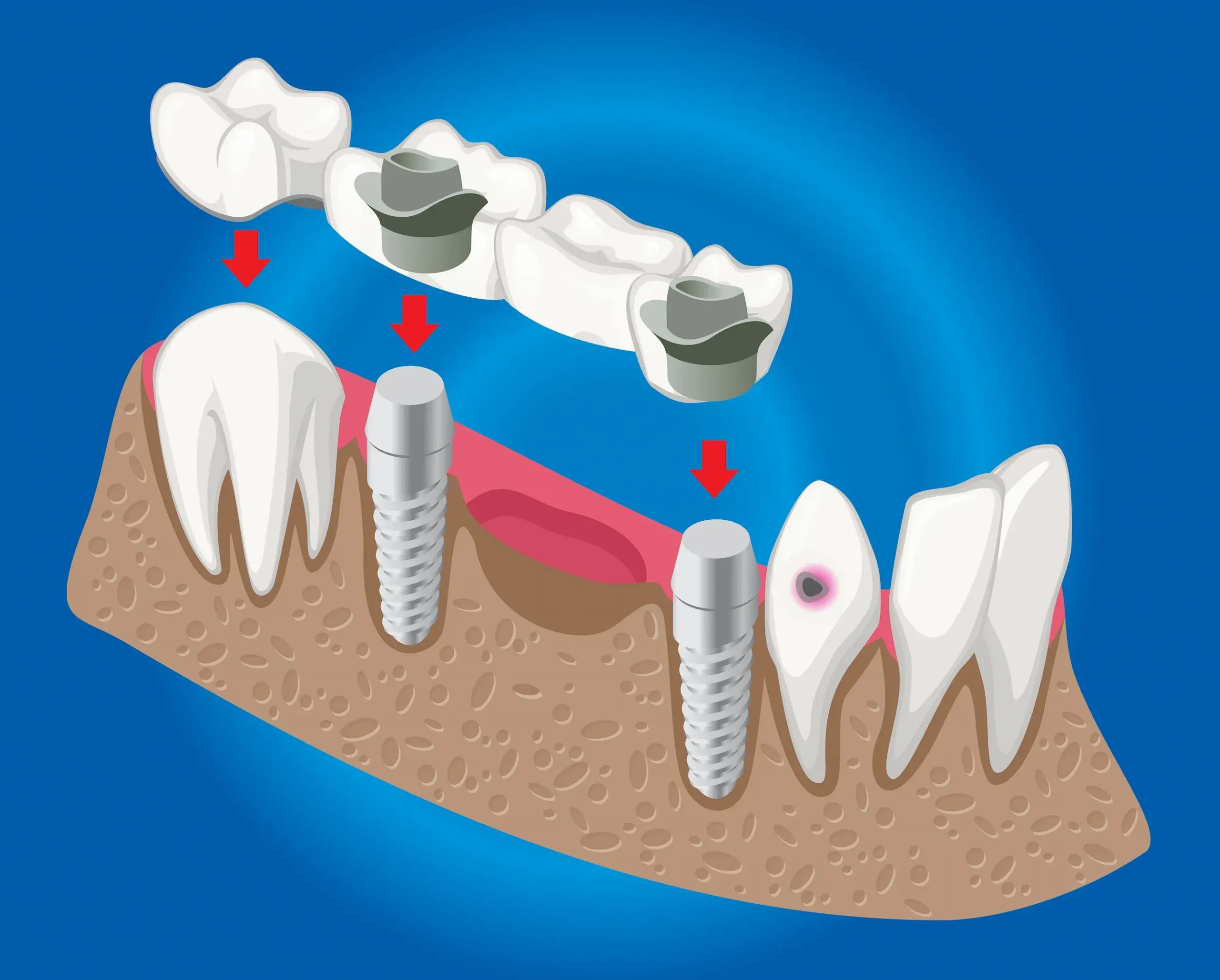
Fixed, implant-supported bridge restoring multiple consecutive missing teeth without touching adjacent healthy teeth.
Understanding Tooth Loss Impact
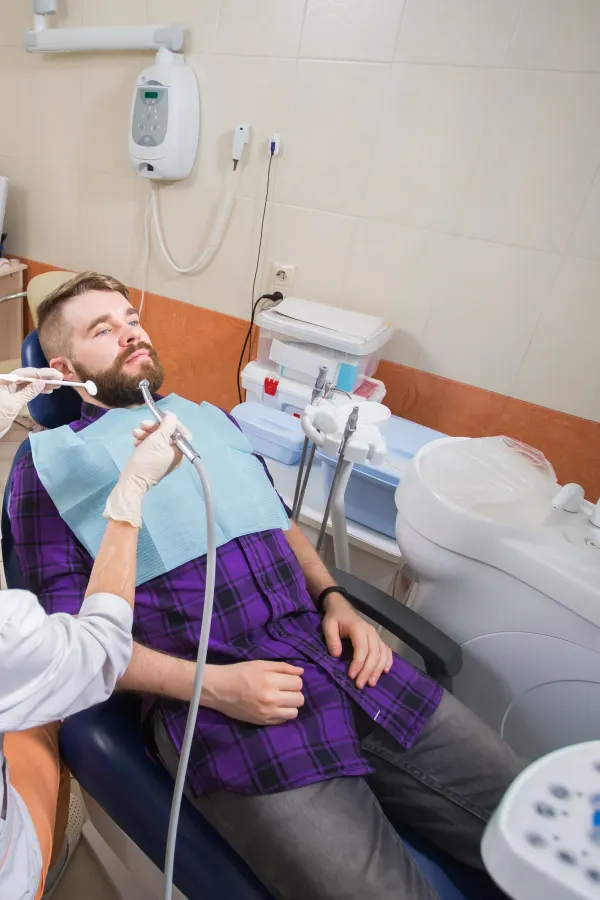
Losing two or more consecutive teeth creates a cascade of problems that extend well beyond appearance. The gap allows neighboring teeth to drift and tilt, altering your bite and creating uneven pressure across your jaw. Without tooth roots stimulating the jawbone, bone resorption begins within months, gradually changing the shape of your face and making further tooth loss more likely. Eating becomes restricted as you avoid certain foods on the affected side, and speech may be affected when front teeth are missing. Many patients feel self-conscious smiling or laughing, and the emotional toll of a visible gap can be significant.
An implant-supported bridge addresses every one of those challenges at the root level, literally. Titanium implant posts placed directly into the jawbone replicate the function of natural tooth roots, halting bone loss and preserving the density and structure of your jaw over time. The fixed bridge anchored to those implants restores a full, stable bite so you can eat freely without dietary restrictions. Because the bridge is supported by implants rather than adjacent teeth, neighboring healthy teeth remain completely intact. Patients typically notice an immediate improvement in chewing confidence, and the lifelike porcelain crowns blend seamlessly with natural teeth.
Finding Your Best Fit
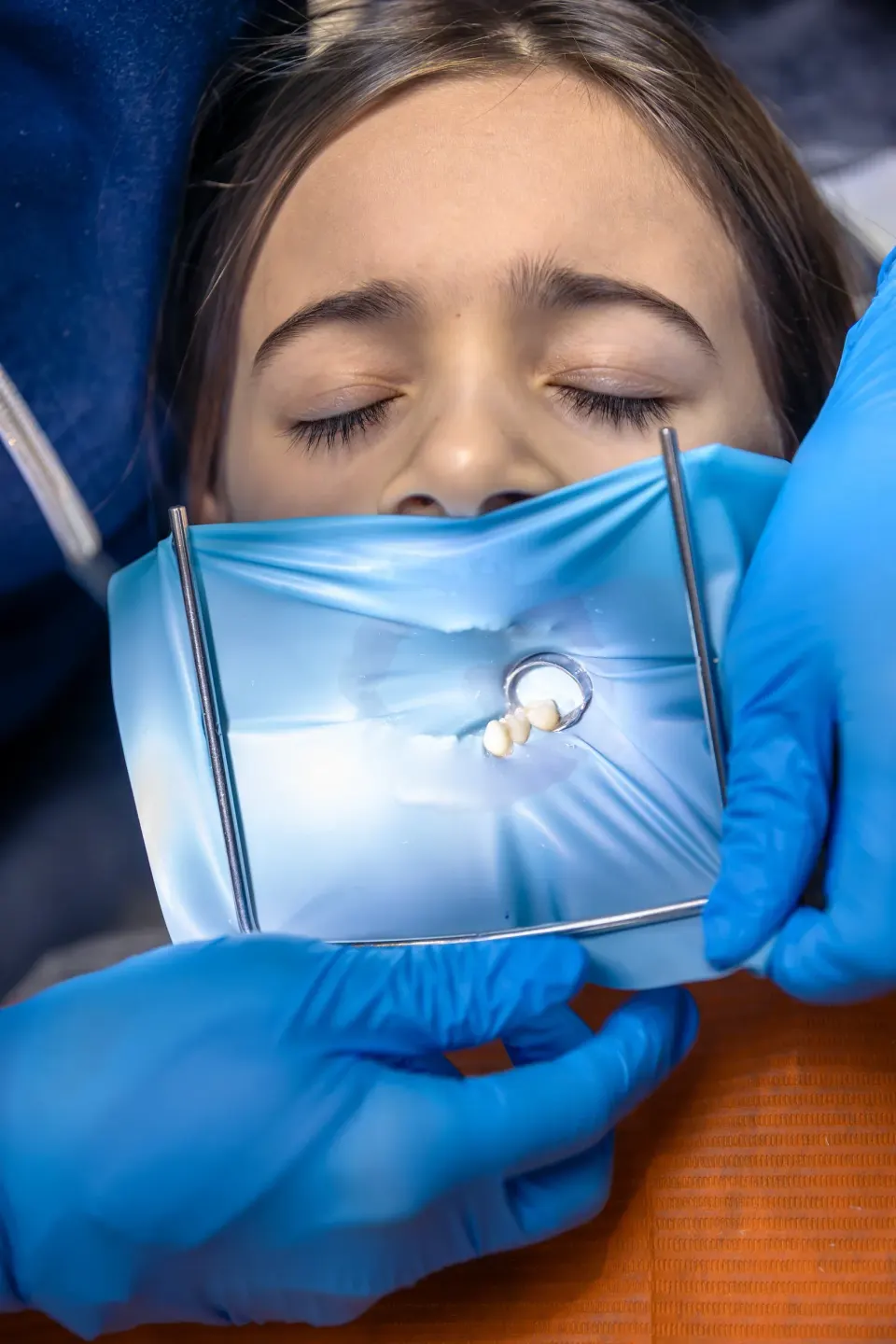
Implant bridges are an excellent option for adults who are missing two or more consecutive teeth and want a permanent, fixed restoration that protects the jawbone and leaves neighboring teeth intact. The American Academy of Implant Dentistry identifies adequate bone volume and overall good health as the primary factors for implant candidacy, both of which Dr. Manmode evaluates thoroughly during your consultation.
Dr. Manmode reviews your full medical history, performs 3D cone beam imaging when needed, and discusses all available tooth replacement options during your implant consultation. Absolute contraindications are rare, and bone grafting can often create the foundation needed for patients with initial bone deficiency.
Permanent, Bone-Preserving Solution
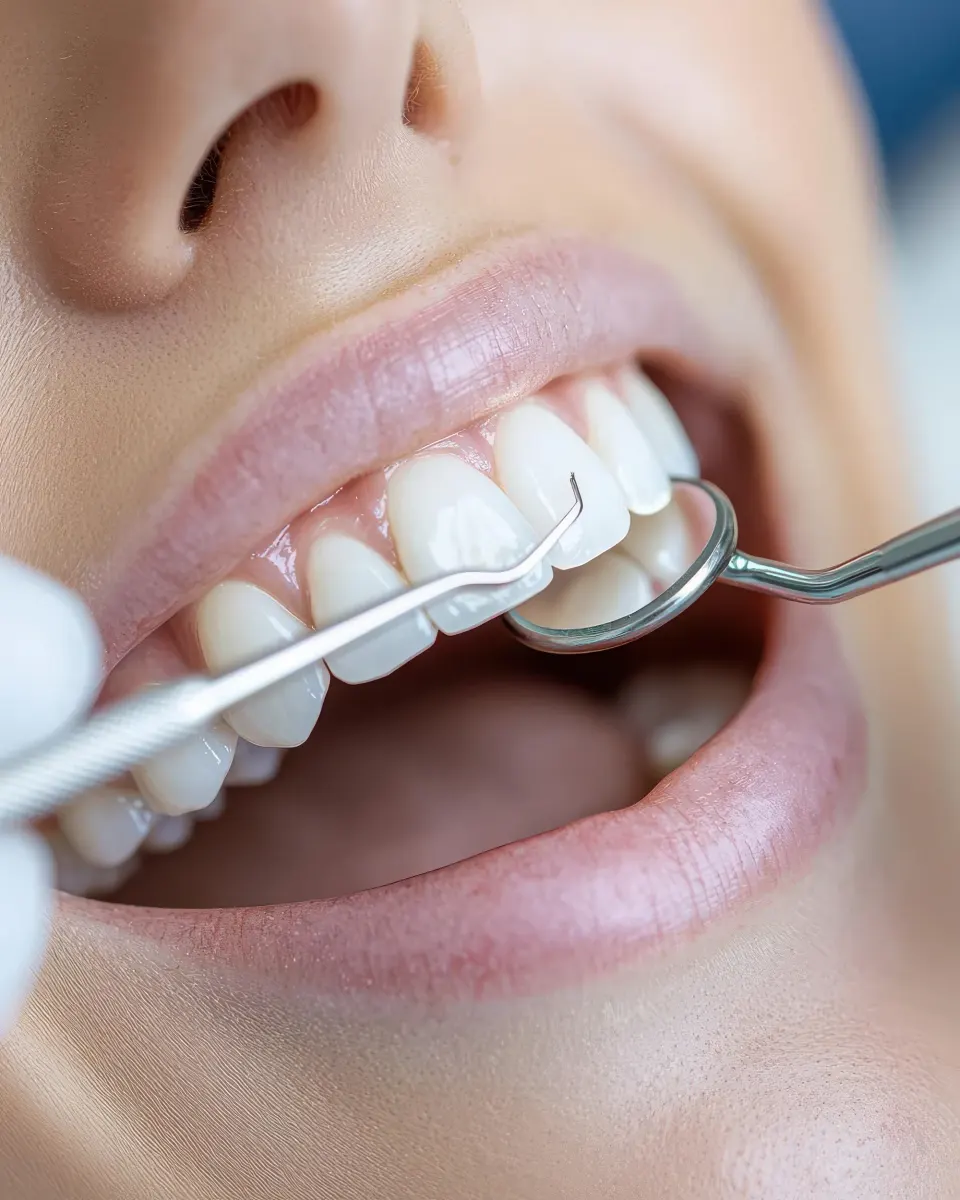
Healthy neighboring teeth are never filed down or capped to support the bridge
Implant roots prevent the jawbone loss that follows tooth extraction
Secured firmly in bone: no adhesives, no removal, no slipping
With proper care, implant bridges typically last 15 to 25+ years
Eat, speak, and smile with confidence restored to near-natural bite strength
The cost of an implant bridge in the Longwood and greater Orlando, Florida market generally ranges from $3,500 to $7,500 per implant post and $1,500 to $3,000 for the bridge crown structure, with total treatment costs for a three-unit implant bridge (two posts, three crowns) typically falling in the $7,000 to $18,000 range. Several factors influence your final cost: the number of implants required, whether bone grafting is needed before implant placement, the type of porcelain selected for the bridge crowns, and any pre-surgical imaging or extractions. Because implant bridges replace multiple teeth and preserve bone, they are often more cost-effective over a 10- to 20-year horizon than repeatedly replacing conventional bridges or dentures. Exact pricing will be determined during your consultation based on your individual treatment plan, bone assessment, and restorative goals.
Dental World believes everyone deserves access to quality tooth replacement. We offer multiple financing solutions to fit your budget:
Many dental insurance plans now provide partial coverage for specialized treatments. Our team will help you understand your benefits and maximize your coverage. Contact us at (407) 830-4401 to discuss your options.
Compare Your Options
| Treatment | Mechanism | Time | Results | Duration | Downtime | Best For |
|---|---|---|---|---|---|---|
| Implant Bridge | Titanium implant roots + fixed crown bridge | 4-9 months | Permanent, fixed | 15-25+ years | 3-5 days per stage | 2-4 consecutive missing teeth, adequate bone |
| Traditional Tooth-Supported Bridge | Crowns cemented to ground adjacent teeth | 2-4 weeks | Fixed, no implants | 10-15 years | Minimal | Patients avoiding surgery, healthy adjacent teeth |
| Removable Partial Denture | Metal or acrylic clasps onto remaining teeth | 3-6 weeks | Removable appliance | 5-10 years | None | Multiple missing teeth, limited budget |
Dr. Manmode reviews your dental and medical history, takes digital X-rays or 3D cone beam imaging, and maps a surgical and restorative plan.
Dr. Manmode places the titanium implant posts into the jawbone under local anesthesia, then places temporary restorations to maintain aesthetics during healing.
Over three to six months, bone fuses firmly around the implants. Dr. Manmode monitors healing with periodic check-ins.
Dr. Manmode attaches abutment connectors, takes final impressions, and seats the custom-fabricated porcelain bridge permanently.
Dr. Manmode checks occlusion, makes any bite adjustments, and provides a personalized home-care and maintenance plan.
What to Know
Most patients experience manageable and temporary effects after each surgical stage: swelling and bruising around the implant site (typically peaks at 48-72 hours and resolves within 5-7 days), mild to moderate pain controlled with prescribed or over-the-counter analgesics, temporary sensitivity in neighboring teeth, and minor bleeding that settles within a few hours of surgery. These are expected parts of healing and not signs of complications.
Implant failure due to impaired osseointegration occurs in approximately 5-10% of cases and is more common in smokers and patients with uncontrolled diabetes. Peri-implantitis, an inflammatory condition affecting the tissue around the implant similar to gum disease, affects an estimated 10-20% of implants at the 10-year mark and is manageable with professional treatment. Nerve or sinus involvement is rare and is minimized by careful pre-surgical 3D imaging. Infection at the surgical site occurs infrequently and is typically resolved with antibiotics. Implant fracture is uncommon but can occur with extreme bite force over many years.
Dental implants are FDA-regulated Class II and Class III devices cleared for tooth replacement in adults with adequate bone volume. The titanium alloys used in implant posts are biocompatible and have a decades-long record of safe use in dental and orthopedic medicine. Dr. Manmode's advanced implantology training and use of pre-surgical 3D cone beam CT imaging substantially reduce the risk of anatomical complications. All surgical procedures at Dental World are performed with sterile technique and post-operative monitoring to ensure patient safety throughout the osseointegration period.
Your Questions Answered
Typically two implant posts anchor a three- to four-unit bridge. For longer spans replacing four or more teeth, Dr. Manmode may recommend additional posts for optimal load distribution and long-term stability.
The procedure is performed under local anesthesia, so you should feel pressure but not sharp pain. Most patients describe post-surgical discomfort as mild to moderate and manageable with prescribed pain relief for the first few days.
A traditional bridge requires grinding down healthy adjacent teeth to serve as crowns. An implant bridge is anchored into the jawbone with titanium posts, leaving neighboring teeth completely untouched and also preventing bone loss beneath the gap.
Yes. Many patients combine implant bridge treatment with tooth extractions, bone grafting, or cosmetic procedures such as porcelain veneers or teeth whitening. Dr. Manmode coordinates a comprehensive treatment plan during your consultation.
Most dental insurance plans provide limited or no coverage for implants themselves, though they may cover a portion of the crown or bridge restoration. We help you verify your benefits before treatment, and financing through CareCredit, Proceed, Cherry, or Sunbit is available to cover remaining balances.
Total treatment typically spans four to nine months: implant placement, three to six months of osseointegration, then final bridge fabrication and placement. Patients with sufficient bone on the shorter end of that range; those needing grafting may require additional healing time.
Brush twice daily, use a floss threader or water flosser to clean beneath the bridge, and attend professional cleanings every six months. Implant bridges do not decay, but the gum tissue around the implants must be kept clean to prevent peri-implantitis.
Longwood's Trusted Provider
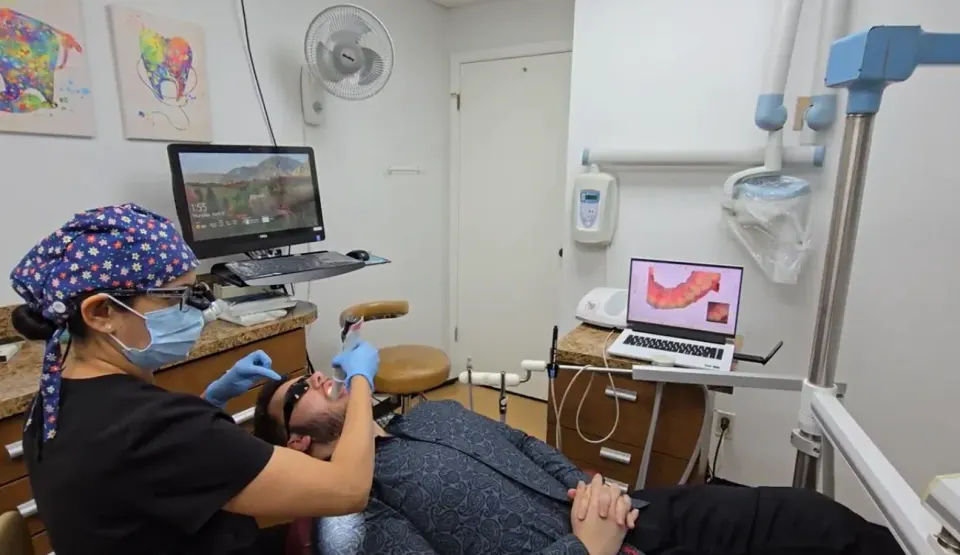
Nearly 20 years of implantology and oral surgery expertise with Dr. Manmode
Surgery, imaging, and restoration completed in one Longwood location, no referrals needed
In-house lab capabilities mean faster turnaround on custom-fabricated bridge restorations
Every implant bridge plan is tailored to your bone structure, budget, and aesthetic goals
Implant-Supported Fixed Restoration
An implant bridge is a fixed dental prosthesis that replaces two or more consecutive missing teeth using titanium implant posts as anchors instead of natural teeth. Unlike a traditional tooth-supported bridge, which requires grinding down healthy adjacent teeth to serve as crowns, an implant bridge leaves neighboring teeth completely untouched. The result is a restoration that looks, feels, and functions like natural teeth and is recognized by the American Dental Association as a clinically proven solution for replacing multiple missing teeth.
The titanium posts used in implant bridges are biocompatible, meaning the jawbone naturally fuses around them through a biological process called osseointegration. Over a period of three to six months, the implants become rigidly anchored in bone, providing a stable foundation that mimics the mechanical load distribution of real tooth roots. This load transfer to the bone is what prevents the resorption that occurs beneath traditional bridges and dentures. Clinical data shows that implant-retained restorations preserve significantly more alveolar bone volume over five years compared to conventional bridgework.
Treatment is completed in two main surgical stages. During the first visit, Dr. Manmode places the titanium implant posts into the jawbone under local anesthesia. After osseointegration is complete, a second procedure connects abutments to the implants, and a custom-fabricated porcelain bridge is seated and permanently secured. Patients experience manageable discomfort during healing, and a temporary restoration keeps the smile functional throughout the process.
Once integrated, implant bridges can last 15 to 25 years or longer with proper home care and regular dental visits. They do not require adhesives, can be cleaned like natural teeth, and will not shift or slip. Most patients find their restored bite strength comparable to that of their original teeth.