Consultation
Dr. Manmode reviews your medical history, current medications, and planned procedures to select the right sedation level and dosage.

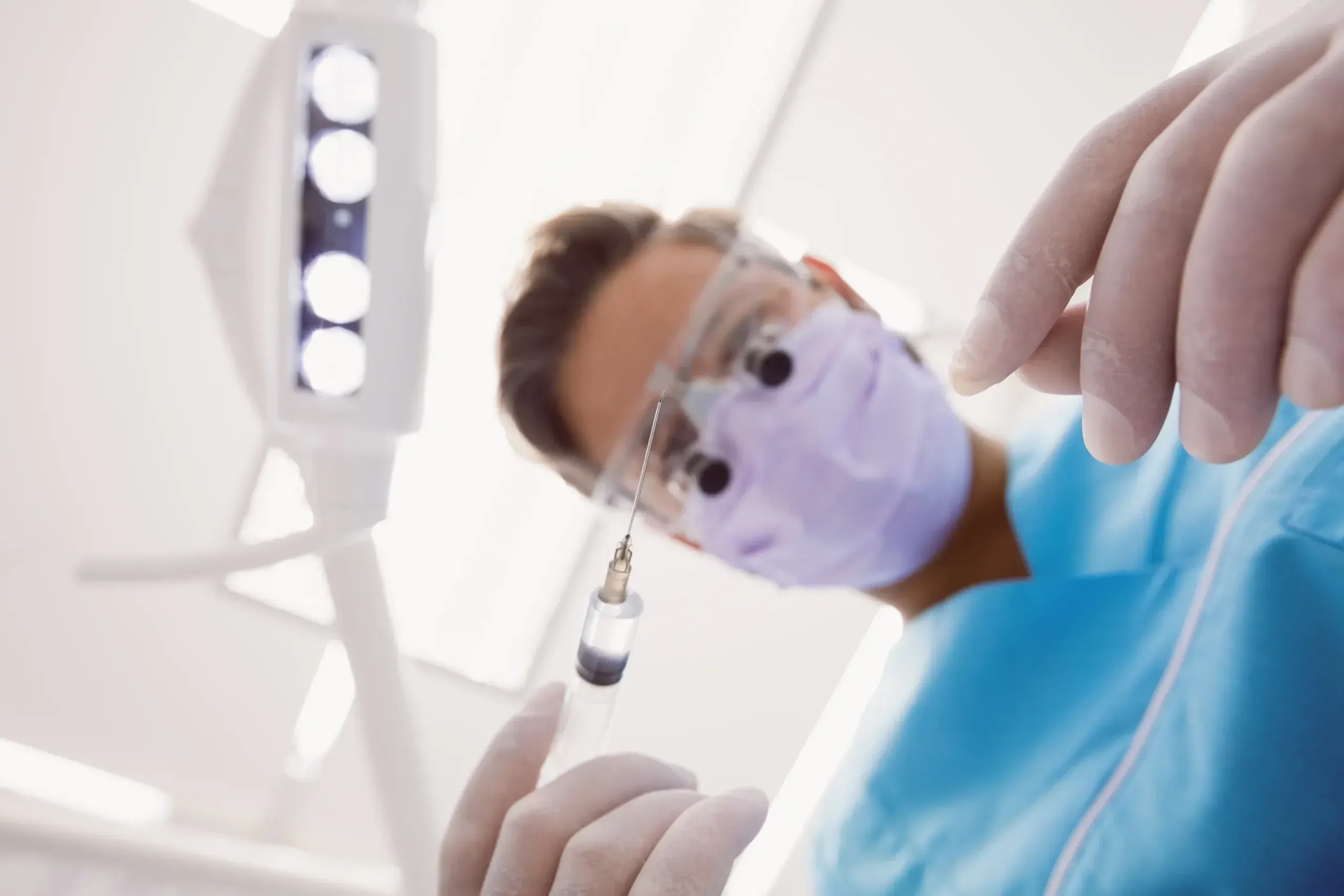
Prescription oral sedative taken before your appointment so you stay relaxed and at ease throughout treatment.
Understanding Dental Fear
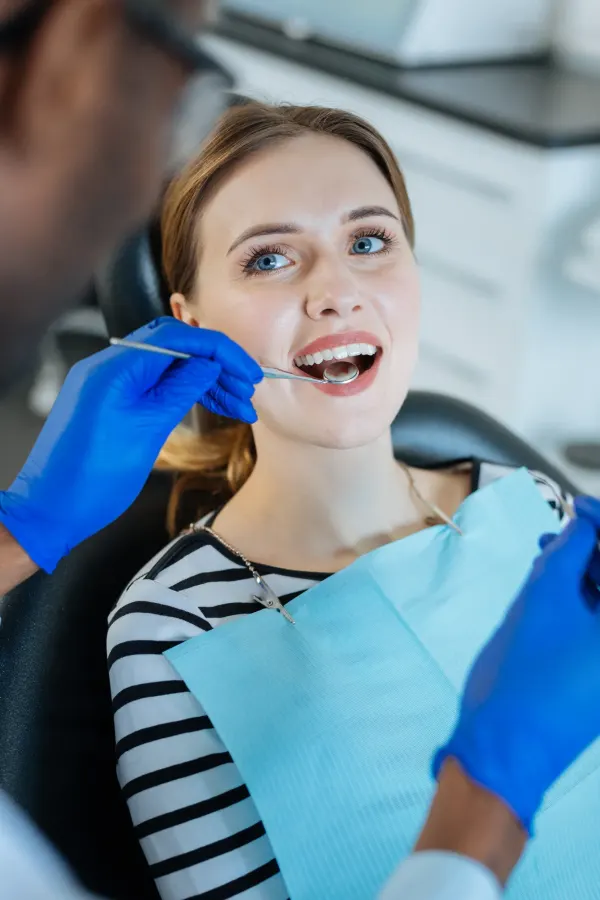
Dental anxiety affects millions of adults and can range from mild unease before an appointment to a full phobia that prevents people from seeking care altogether. Many patients describe a racing heart, muscle tension, or an overwhelming urge to cancel as soon as they think about sitting in the dental chair. A strong gag reflex, sensitivity to sounds or smells, or a past traumatic dental experience can make even routine cleanings feel impossible. Over time, avoiding the dentist leads to worsening oral health, which in turn creates more complex and longer procedures, deepening the cycle of fear.
Oral sedation breaks that cycle by calming the nervous system before you ever arrive for treatment. A prescribed oral sedative taken 30 to 60 minutes before your appointment produces a deep, comfortable state of relaxation. You stay conscious and able to follow simple instructions, yet feel profoundly at ease. The gag reflex is reduced, time seems to pass quickly, and most patients have little or no memory of the procedure afterward. Because you are more relaxed, Dr. Manmode can work more efficiently, often completing multiple treatments in a single visit that would otherwise require several appointments.
Finding Your Best Approach
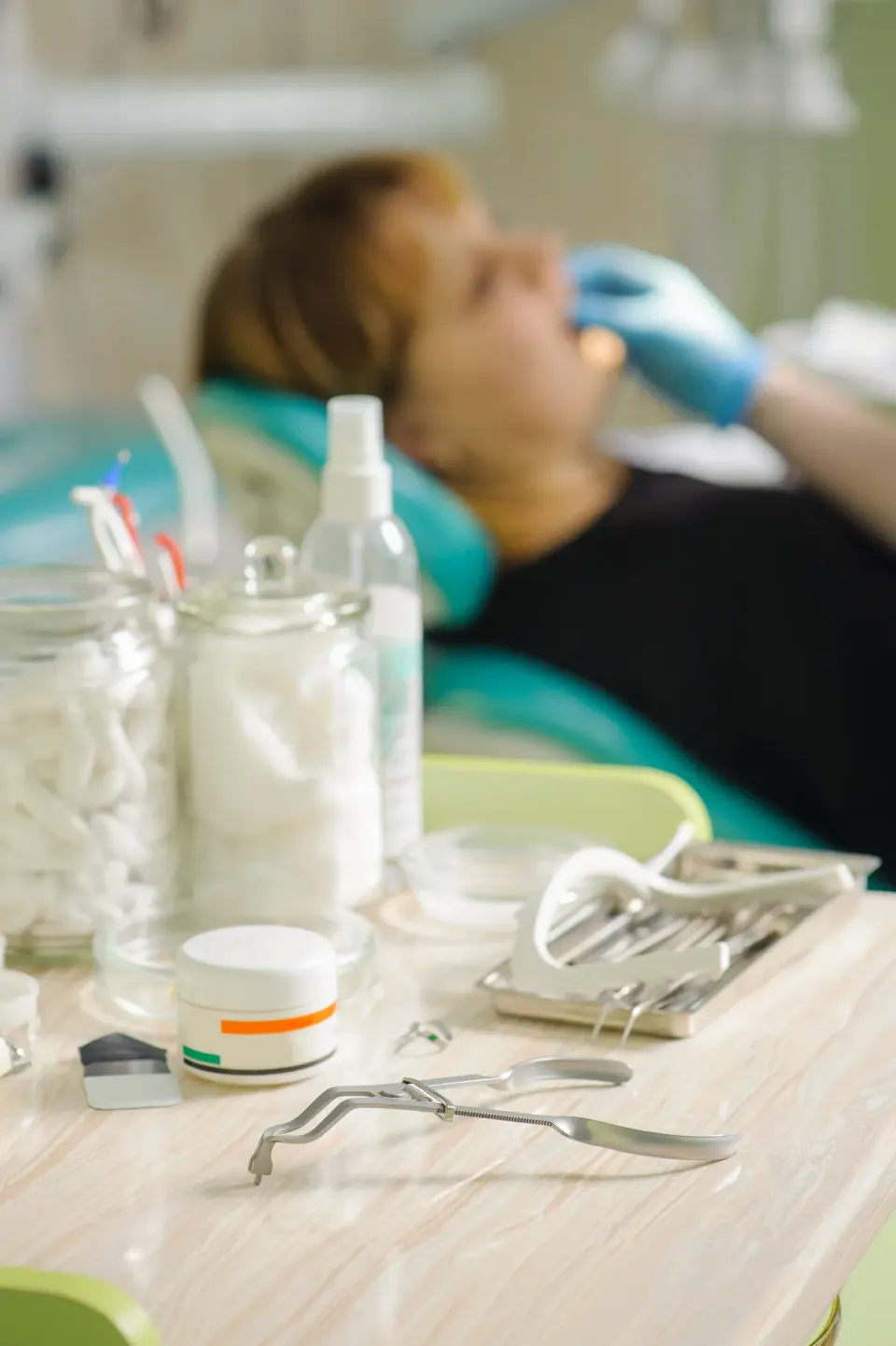
Oral sedation is an excellent option for adults who want to receive the dental care they need without the fear, discomfort, or avoidance that anxiety typically causes. It works best for patients whose anxiety is moderate to significant and who are healthy enough to tolerate a prescribed oral sedative safely. The American Dental Society of Anesthesiology (ADSA) recommends that patients receiving enteral sedation undergo a thorough health screening before the appointment.
Dr. Manmode conducts a full health and medication review at your pre-treatment consultation. Patients with complex medical histories are carefully assessed, and alternative comfort options are offered when oral sedation is not appropriate.
Calm, Comfortable Care
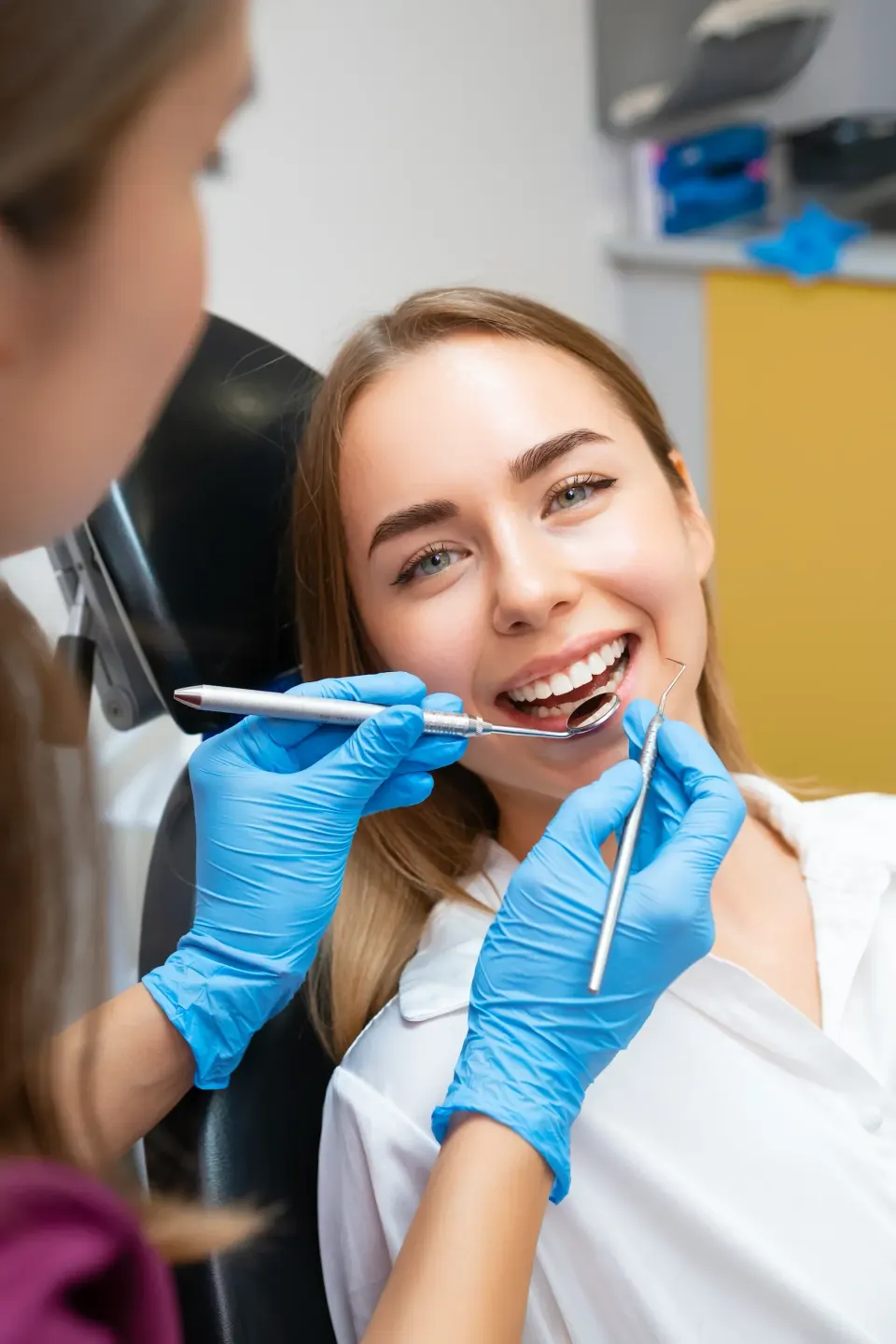
Sedative is taken by mouth, avoiding any IV line or injection anxiety
Produces profound calm while you remain conscious and safe throughout
Most patients recall little or nothing of the appointment afterward
Multiple treatments completed in one visit, saving you time and stress
Significantly reduces hypersensitive gag reflex during dental work
Oral sedation fees at Dental World in Longwood, FL typically range from $150 to $500 per appointment, depending on the type and duration of the procedure being performed, the dosage level required, and the complexity of your individual health profile. This fee is separate from the cost of the dental procedures themselves (such as fillings, extractions, or root canals). Most dental insurance plans do not cover sedation for routine procedures, but coverage may apply when sedation is medically necessary - our team will check your benefits and provide a clear estimate before your appointment. Exact pricing will be confirmed during your pre-sedation consultation based on your treatment plan.
Dental World believes everyone deserves access to quality tooth replacement. We offer multiple financing solutions to fit your budget:
Many dental insurance plans now provide partial coverage for specialized treatments. Our team will help you understand your benefits and maximize your coverage. Contact us at (407) 830-4401 to discuss your options.
Compare Your Options
| Treatment | Mechanism | Time | Results | Duration | Downtime | Best For |
|---|---|---|---|---|---|---|
| Oral Sedation | Prescribed oral sedative pill | 30-60 min onset | Deep relaxation, low recall | 2-6 hours | Rest day of visit | Moderate-to-high anxiety, longer procedures |
| Nitrous Oxide (Laughing Gas) | Inhaled nitrous oxide gas | 3-5 min onset | Mild to moderate relaxation | Wears off in minutes | Drive yourself home | Mild anxiety, routine cleanings |
| IV Sedation | IV-administered sedative | Immediate onset | Very deep relaxation, minimal recall | 1-4 hours | Rest remainder of day | Severe anxiety, oral surgery |
Dr. Manmode reviews your medical history, current medications, and planned procedures to select the right sedation level and dosage.
You take the prescribed oral sedative at the time Dr. Manmode instructs, either at home before leaving or in our office on arrival.
Your adult driver brings you in once the medication begins working. Dr. Manmode attaches a pulse oximeter and blood pressure cuff to monitor vitals continuously.
With local anesthetic in place, Dr. Manmode completes your planned dental work using her preferred precision instruments while you rest comfortably.
When the appointment is complete, your driver takes you home. Dr. Manmode provides written aftercare instructions and a follow-up contact number.
What to Know
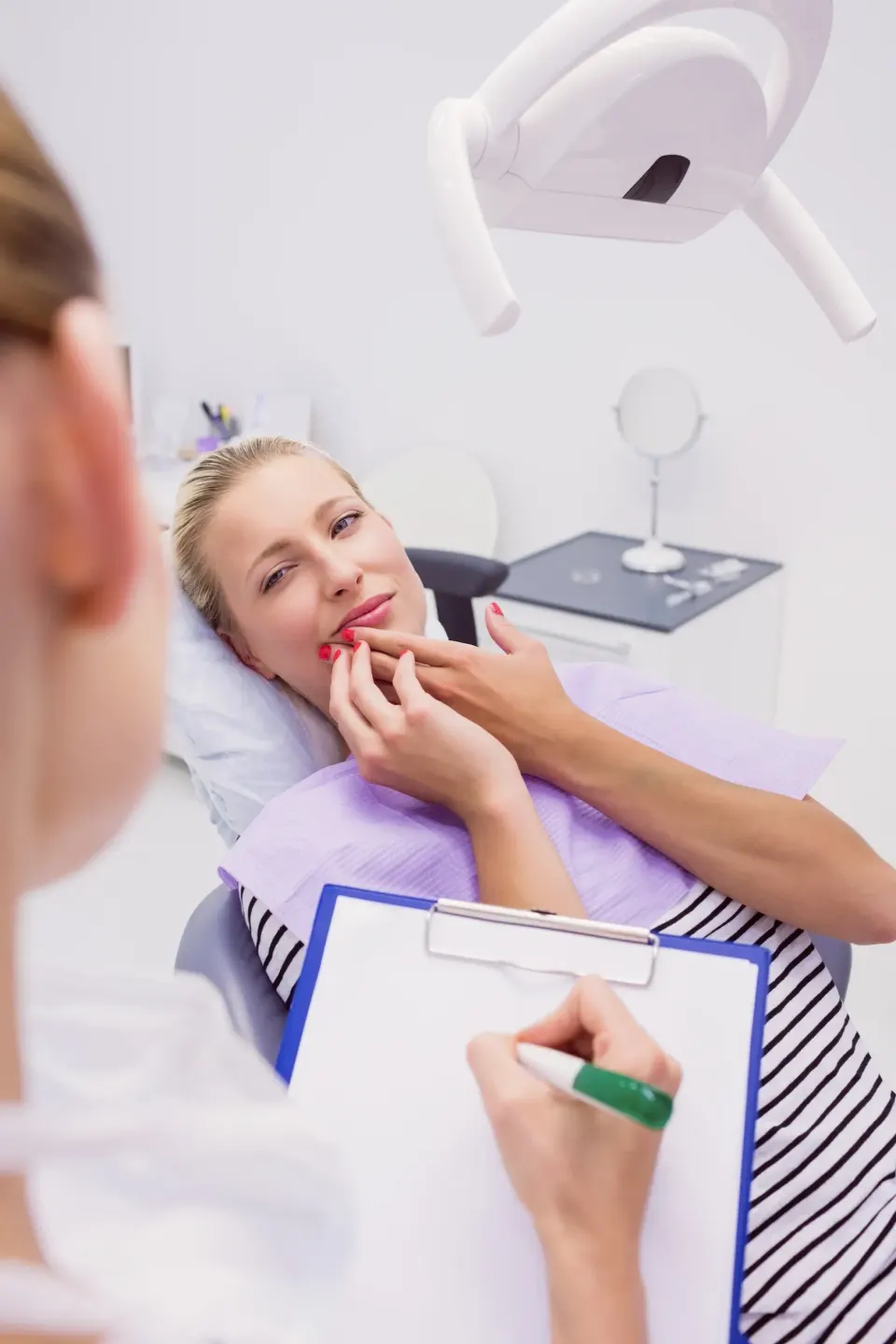
Most side effects are mild, expected, and temporary. Common effects include drowsiness and fatigue that may persist for several hours after the appointment, dry mouth during and after treatment, minor amnesia of the visit (most patients recall little of the procedure), lingering lightheadedness when standing up quickly, and a general sense of grogginess that resolves with rest and a normal meal. These effects are part of how the medication works and are not cause for concern.
Serious adverse events with properly dosed minimal-to-moderate oral sedation are uncommon. Rarely, a small number of patients experience a paradoxical reaction in which the medication produces agitation or excitability rather than relaxation - this occurs in fewer than 1% of cases and can be managed in the office. Respiratory depression (slowed breathing) is extremely rare at minimal-to-moderate doses but is the primary reason Dr. Manmode monitors oxygen saturation continuously throughout every appointment. Nausea is possible, particularly if a patient has not followed pre-procedure fasting instructions.
The medications used for oral sedation in dentistry are FDA-approved for anxiety reduction and are among the most thoroughly studied pharmaceutical agents in medicine. Florida dental board regulations require providers offering enteral sedation to hold specific permits and complete continuing education in sedation monitoring and emergency management. Dr. Manmode meets all state credentialing requirements and maintains emergency oxygen and reversal agents in the office at all times. Patients with complex medical conditions are carefully screened and may be referred to a hospital-based setting when necessary for additional safety.
Your Questions Answered
No. Oral sedation is a form of conscious sedation. You remain awake, able to breathe on your own, and able to respond to Dr. Manmode's verbal instructions. Most patients feel deeply relaxed and drowsy rather than asleep.
In most cases, yes. Dr. Manmode will give you detailed instructions on when to take the prescription, which is often 30 to 60 minutes before your arrival. You must have a driver bring you to the office since you cannot drive after taking the medication.
Most patients have little or no memory of the procedure. The prescribed sedative produces a mild amnesic effect, so even if you were awake during treatment, the experience typically feels like it was over in minutes and you recall very few details.
Yes, and this is one of the biggest advantages. Because you are relaxed for a longer period, Dr. Manmode can perform fillings, extractions, crowns, or other procedures in a single extended appointment rather than multiple separate visits.
Coverage varies. Many plans do not cover sedation for routine care, but some may cover it when medical necessity is documented. We verify your benefits before your appointment and provide a full cost estimate so there are no surprises.
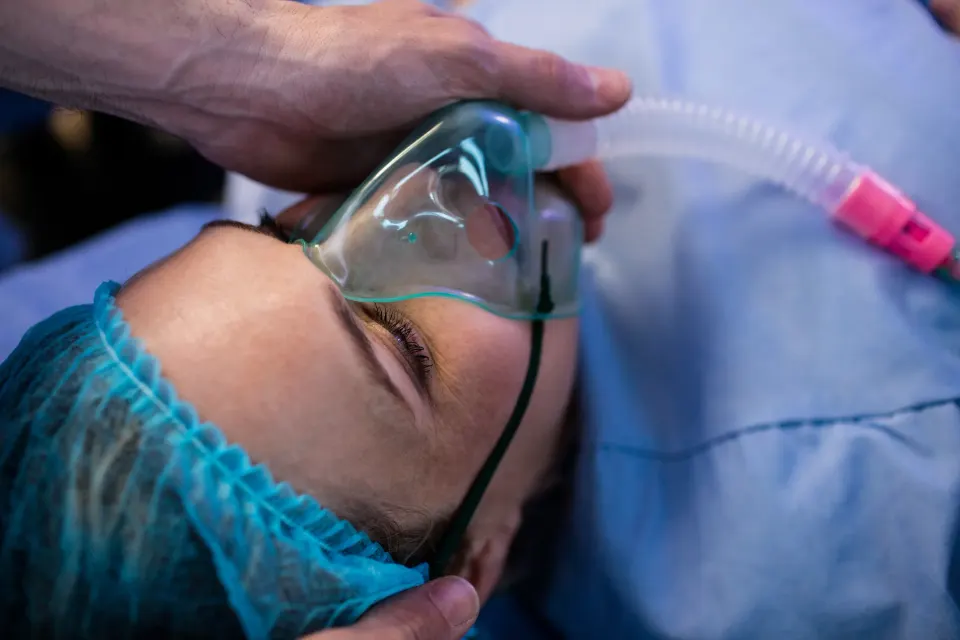
Nitrous oxide (laughing gas) is inhaled during the procedure and wears off within minutes, allowing you to drive yourself home. Oral sedation produces deeper, longer-lasting relaxation and minimal procedural memory, but requires a driver and a rest day.
Possibly, with a thorough review. Dr. Manmode evaluates your full medication list at your consultation. Certain combinations (such as opioids or CNS depressants) require special consideration. Sharing your complete medication list is essential for a safe sedation plan.
Longwood's Trusted Provider
Dr. Manmode is Florida-licensed and credentialed for minimal and moderate enteral sedation
Sedation dosing is customized to your weight, health history, and procedure needs
Your heart rate, oxygen, and blood pressure are monitored throughout every appointment
Warm, welcoming clinic designed to ease anxiety from the moment you walk in
The Science of Conscious Sedation
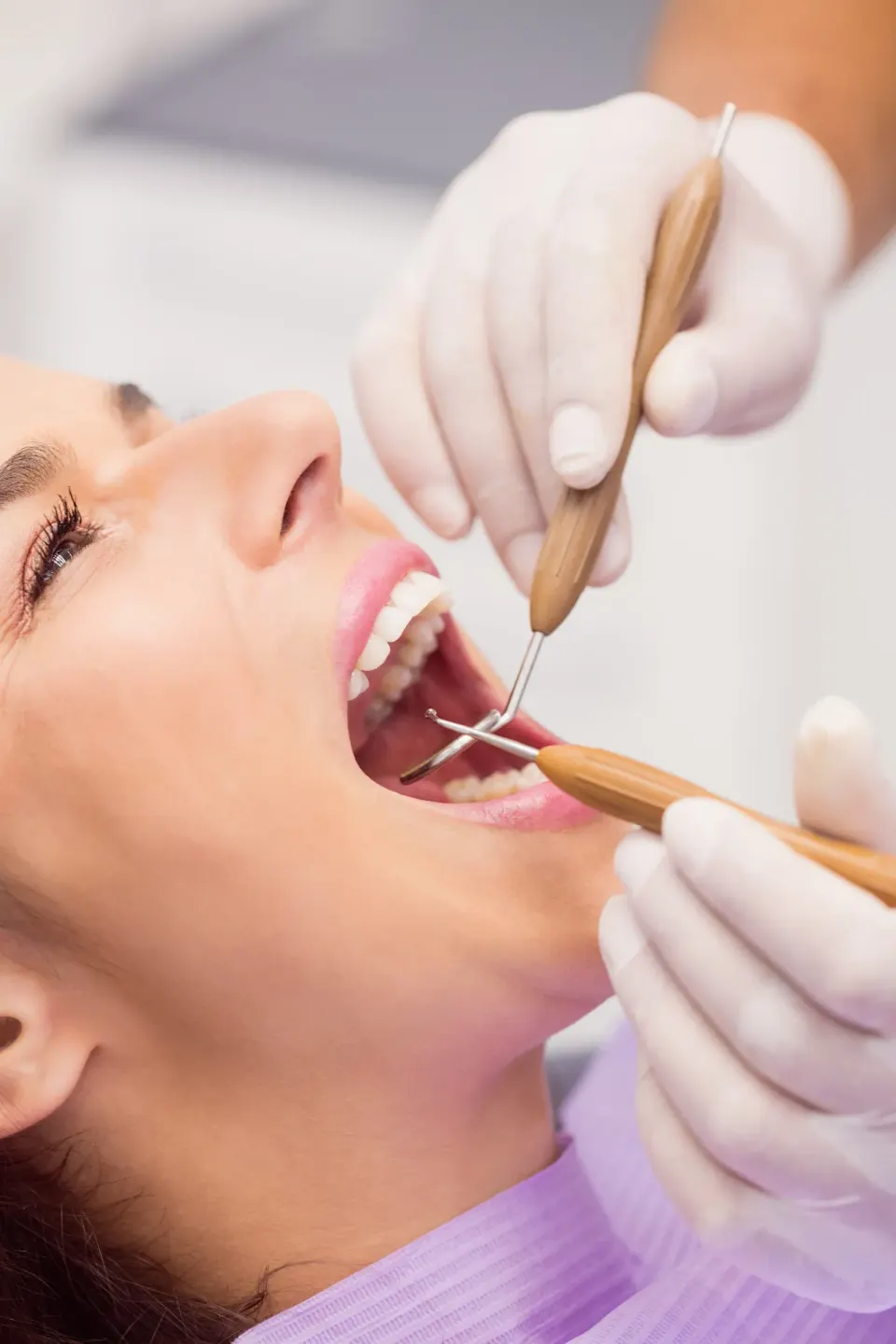
Oral sedation is a form of minimal-to-moderate conscious sedation in which a patient takes a prescribed oral sedative medication before a dental appointment. The medication works on the central nervous system to reduce anxiety, lower awareness of sensory input, and promote a deeply relaxed state. According to the American Dental Association (ADA), enteral (oral) sedation is one of several safe, recognized sedation techniques used in dentistry when properly administered by a trained, licensed provider.
The prescribed oral sedative enhances the effect of GABA (gamma-aminobutyric acid), the brain's primary calming neurotransmitter. This reduces the excitability of nerve cells throughout the central nervous system, producing relaxation, mild amnesia, and a reduced response to sensory stimuli such as dental instruments, sounds, and smells. The medication is taken by mouth rather than administered intravenously, so there is no needle or IV access required. Effects peak approximately 60 to 90 minutes after ingestion, at which point Dr. Manmode begins the planned dental work. You remain conscious throughout and can respond to verbal cues, but you feel calm, drowsy, and largely unaware of the procedure.
A trusted adult driver brings you to the office after you have taken the medication at home (or in some cases in the office). Dr. Manmode monitors your vital signs throughout the appointment. Local anesthetic is still used to ensure complete comfort in the treatment area. Because you are relaxed, multiple procedures can often be completed in a single, longer visit rather than spread across several appointments.
There are no aesthetic results in the traditional sense; the benefit is a comfortable dental experience that would otherwise feel overwhelming. Sedation effects linger for several hours after your appointment, so you will need to rest for the remainder of the day. Most patients report little or no memory of the procedure, and many say it was the first dental visit they did not dread.