

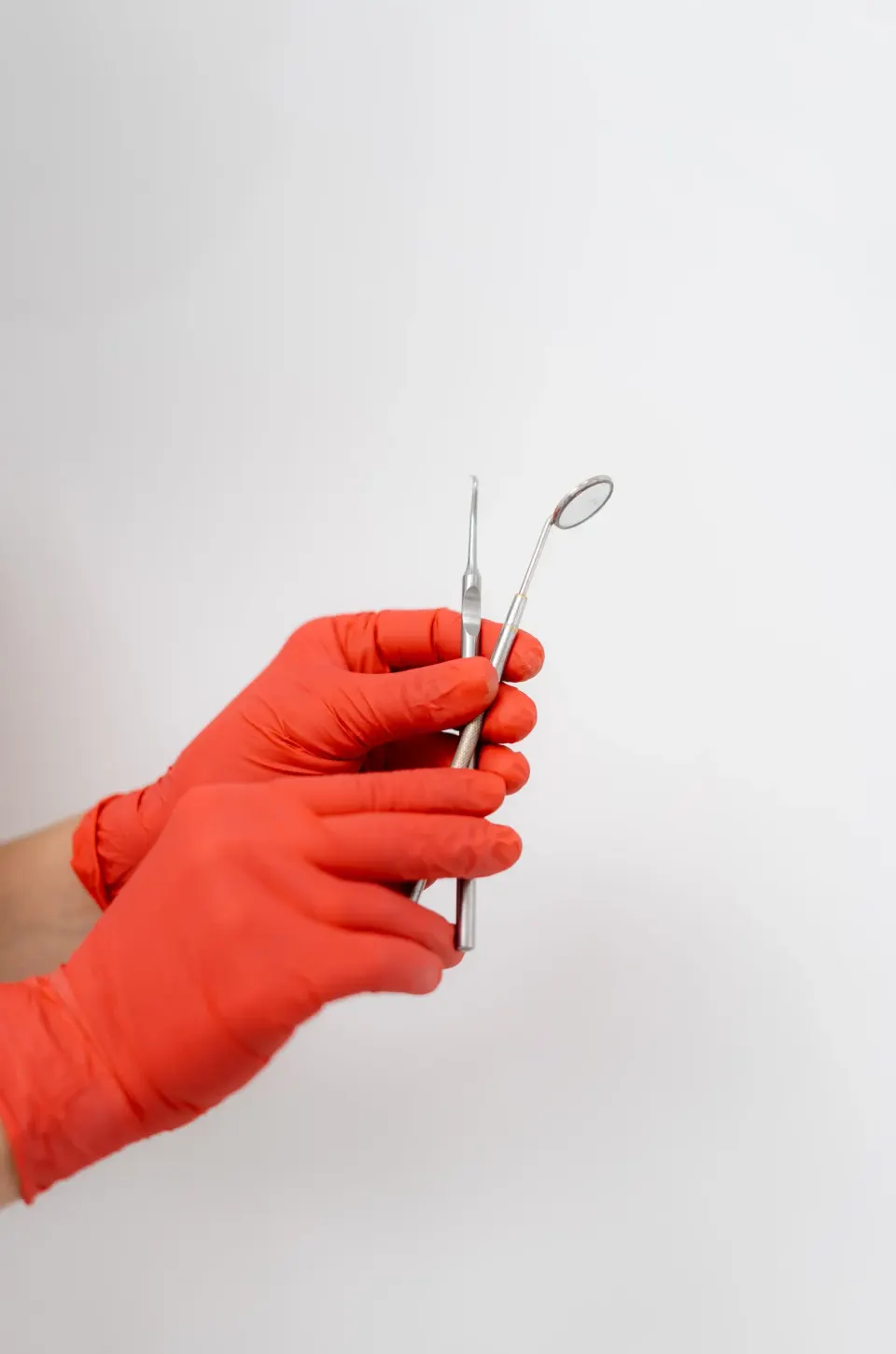

The dental pulp sits at the center of every tooth, protected by layers of dentin and enamel. When bacteria penetrate these protective layers through cavities, cracks, or gum recession, the pulp becomes inflamed, a condition known as pulpitis. In the early stages (reversible pulpitis), removing the irritant can resolve the pain, but once infection sets in (irreversible pulpitis), more definitive treatment is needed.
Tooth decay remains the most common cause, as oral bacteria convert sugars into acids that dissolve enamel at a rate that accelerates without regular cleaning. Once a cavity reaches the dentin layer, the porous tubules transmit stimuli directly to the nerve, producing that familiar sharp or lingering pain with hot, cold, or sweet foods.
Beyond decay, trauma, cracked teeth, and advanced gum disease can expose the pulp or root surfaces. When the periodontal ligament, the tiny fibers anchoring the tooth to bone, becomes inflamed from infection or bite misalignment, even light pressure can trigger significant discomfort.