Assessment
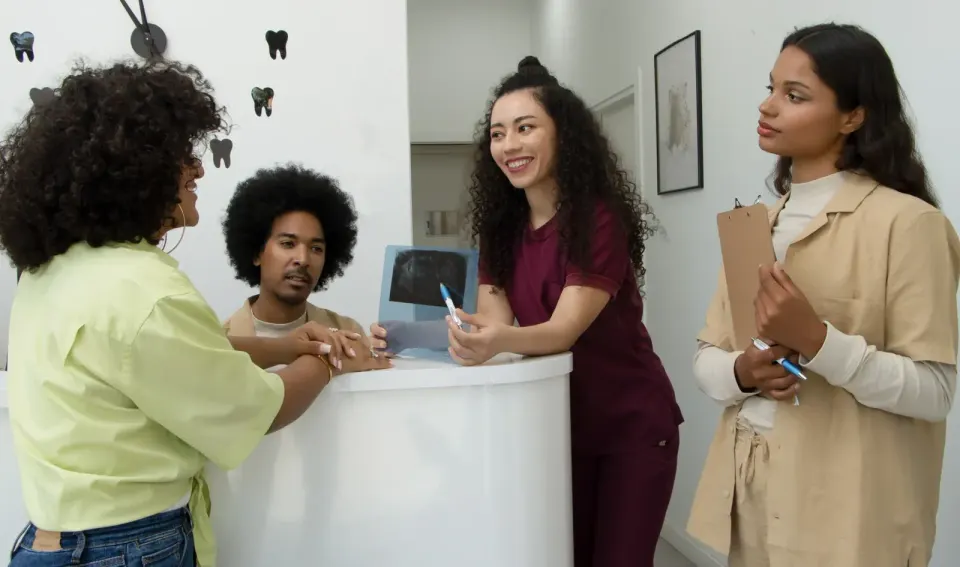
Dr. Manmode performs a comprehensive periodontal exam with probing measurements and digital X-rays to map disease severity.


Personalized periodontal care to restore gum health, prevent bone loss, and preserve your natural teeth.
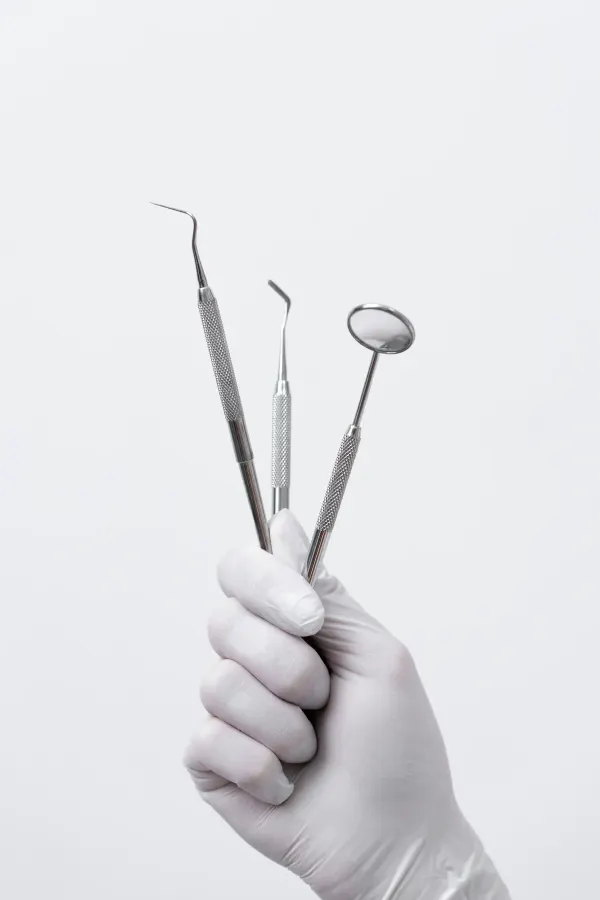
Understanding Periodontal Disease
Gum disease often begins without noticeable symptoms, making it easy to overlook until significant damage has occurred. You may notice your gums bleeding when you brush or floss, persistent bad breath that does not improve with mouthwash, or a receding gumline that makes your teeth appear longer. Many patients experience tenderness, swelling, or teeth that feel slightly loose or have shifted position. Left untreated, the infection spreads deeper below the gumline, gradually destroying the bone that supports your teeth.
Gum disease treatment works by removing the bacteria, plaque, and tartar that have accumulated beneath the gumline where regular brushing cannot reach. Using scaling and root planing techniques, Dr. Manmode thoroughly cleans the root surfaces and smooths them to help gum tissue reattach firmly. Most patients experience reduced inflammation within the first few weeks and can return to normal activities the same day. With consistent follow-up care, treatment halts further bone loss and restores a healthy foundation for your smile.
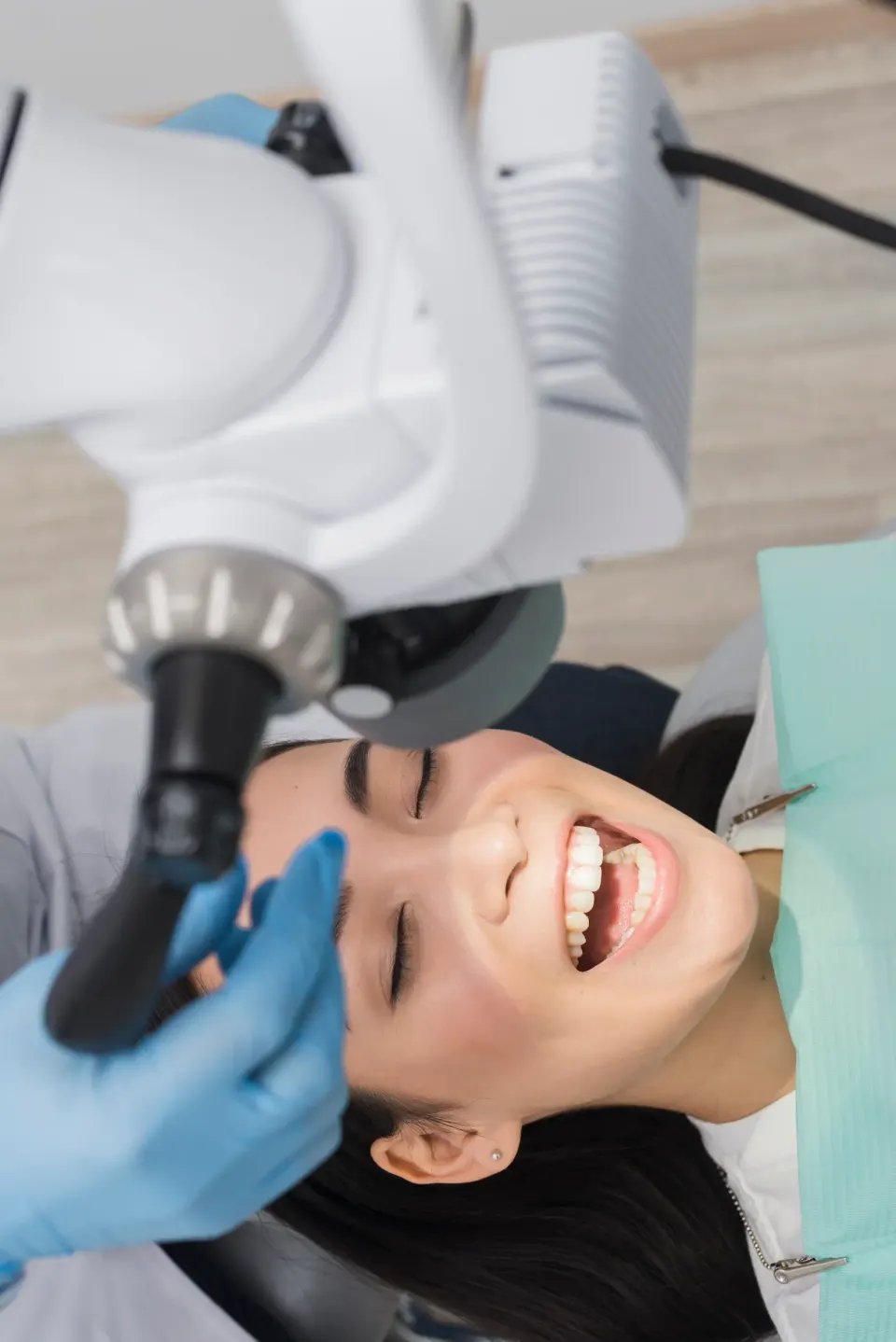
Finding Your Healthiest Smile
Gum disease treatment is ideal for adults showing signs of gingivitis or periodontitis who want to preserve their natural teeth and restore gum health. During your consultation, Dr. Manmode will measure pocket depths and evaluate bone levels to create a personalized treatment plan.
Dr. Manmode reviews your complete medical history before recommending treatment to ensure your safety and the best possible outcome.
Preserve Your Natural Smile
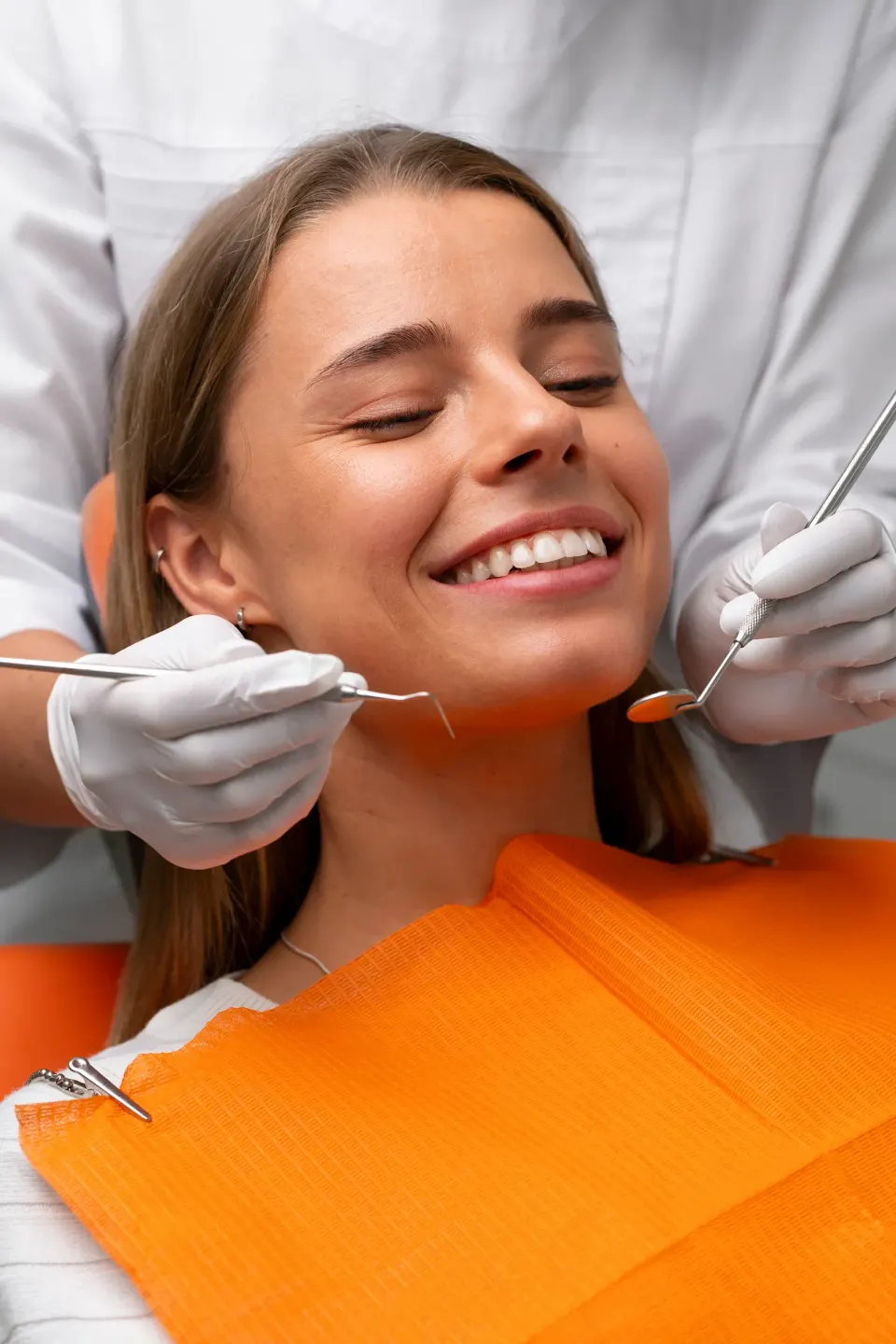
Stops the progression of bone loss that leads to loose and lost teeth
Effective deep cleaning without the need for surgical intervention in most cases
Eliminates deep bacterial colonies responsible for chronic bad breath
Reduces systemic inflammation linked to heart disease and diabetes risk
Return to daily activities and normal eating the same day as treatment
Gum disease treatment in Longwood, FL typically ranges from $150 to $350 per quadrant for scaling and root planing, with a full mouth treatment (all four quadrants) costing approximately $600 to $1,400. Several factors influence your total investment, including the severity of gum disease, the number of quadrants requiring treatment, and whether adjunctive therapies such as antimicrobial rinses are recommended. During your consultation, Dr. Manmode will provide a personalized estimate based on your specific periodontal needs.
Scaling and root planing is typically classified as a medically necessary procedure, and most dental insurance plans cover 50% to 80% of the cost. Our team will verify your benefits and help maximize your coverage before treatment begins.
Dental World believes everyone deserves access to quality tooth replacement. We offer multiple financing solutions to fit your budget:
Many dental insurance plans now provide partial coverage for specialized treatments. Our team will help you understand your benefits and maximize your coverage. Contact us at (407) 830-4401 to discuss your options.
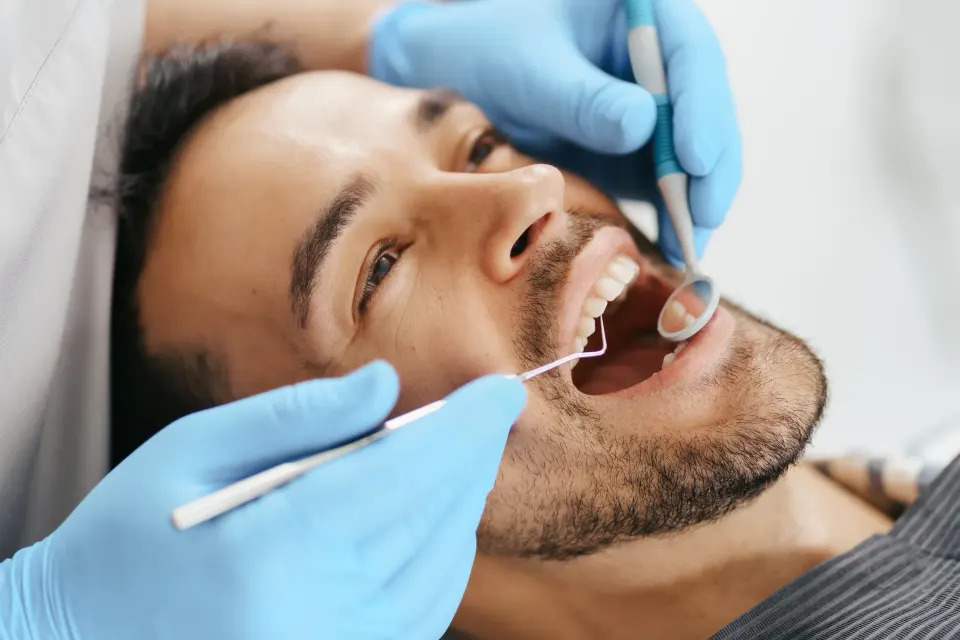
Compare Your Options
| Treatment | Mechanism | Time | Results | Duration | Downtime | Best For |
|---|---|---|---|---|---|---|
| Scaling & Root Planing | Deep cleaning below gumline | 45-90 min | 4-8 weeks | Long-term with maintenance | Same day | Moderate to advanced gum disease |
| At-Home Gum Care Only | Surface plaque removal | Daily routine | Limited improvement | Ongoing | None | Prevention and early gingivitis |
| Gum Surgery | Surgical tissue repair | 1-2 hours | 2-4 months | Long-term | 1-2 weeks | Severe periodontitis with deep pockets |
Dr. Manmode performs a comprehensive periodontal exam with probing measurements and digital X-rays to map disease severity.
Sheetal applies local anesthesia to the treatment area so you remain comfortable throughout the deep cleaning procedure.
Using ultrasonic instruments and hand scalers, Sheetal removes plaque and calculus deposits from below the gumline.
Sheetal smooths the root surfaces with specialized curettes to remove toxins and promote gum tissue reattachment.
You will receive personalized aftercare instructions and schedule a re-evaluation visit in four to six weeks.
What to Know
Common side effects after scaling and root planing include mild gum tenderness, temporary tooth sensitivity to hot and cold, and minor bleeding at the treatment sites. These effects typically resolve within three to seven days as the gum tissue heals. Over-the-counter pain relievers and desensitizing toothpaste can help manage discomfort during recovery.
Less common effects include localized infection at the treatment site (occurring in fewer than 2% of cases) and temporary gum recession as swollen tissue heals to a healthier contour. In very rare instances, patients on blood-thinning medications may experience prolonged bleeding, which is why Dr. Manmode reviews your medication list before treatment.
Scaling and root planing is considered the gold standard for non-surgical periodontal therapy and has been extensively studied for safety and efficacy. Dr. Manmode's nearly 20 years of experience and thorough understanding of periodontal anatomy help minimize risks and ensure optimal outcomes for every patient.
Your Questions Answered
Common signs include red, swollen, or bleeding gums, persistent bad breath, receding gumline, loose teeth, and sensitivity along the gumline. If you notice any of these symptoms, we recommend scheduling an evaluation with Dr. Manmode as early treatment offers the best outcomes.
Gingivitis (early-stage gum disease) can often be fully reversed with professional cleaning and improved home care. Periodontitis (advanced gum disease) cannot be reversed, but it can be effectively managed and halted with scaling and root planing and consistent maintenance visits.
We use local anesthesia to ensure your comfort throughout the procedure. Most patients describe the sensation as mild pressure. Any post-treatment tenderness is typically mild and resolves within a few days with over-the-counter pain relievers.
After initial treatment, most patients benefit from periodontal maintenance cleanings every three to four months rather than the standard six-month schedule. Dr. Manmode will recommend a maintenance frequency based on your healing response and risk factors.
Yes, periodontal treatment often works alongside other services. Many patients pair gum disease treatment with regular dental cleanings and exams for comprehensive oral health, and healthy gums are essential before procedures like dental implants.
The bacteria that cause gum disease can be transferred through saliva, such as sharing utensils or kissing. However, simply being exposed to the bacteria does not mean you will develop gum disease, as factors like oral hygiene, genetics, and immune health play significant roles.
Yes, untreated periodontitis is the leading cause of tooth loss in adults. The infection gradually destroys the bone and connective tissue supporting your teeth. Early treatment with scaling and root planing can prevent this progression and preserve your natural teeth.
Longwood's Trusted Provider
Nearly 20 years of clinical expertise with advanced periodontal techniques
Comprehensive periodontal charting and digital X-rays for accurate assessment
Comfort-focused treatment with local anesthesia and careful technique
Ongoing maintenance programs designed to keep gum disease from returning
The Science of Periodontal Therapy
Gum disease treatment encompasses a range of non-surgical periodontal therapies designed to eliminate bacterial infection and restore healthy gum tissue. The most common approach is scaling and root planing, often called a deep cleaning, which targets plaque and calculus deposits that have formed below the gumline where standard cleanings cannot reach.
Scaling removes hardened bacterial deposits (calculus) from the tooth root surfaces using specialized ultrasonic and hand instruments. Root planing then smooths the root surface, removing toxins embedded in the cementum and creating a clean surface that allows gum tissue to reattach. Research shows scaling and root planing achieves an average improvement of 0.5 millimeters in clinical attachment level, with deeper pockets showing even greater improvement.
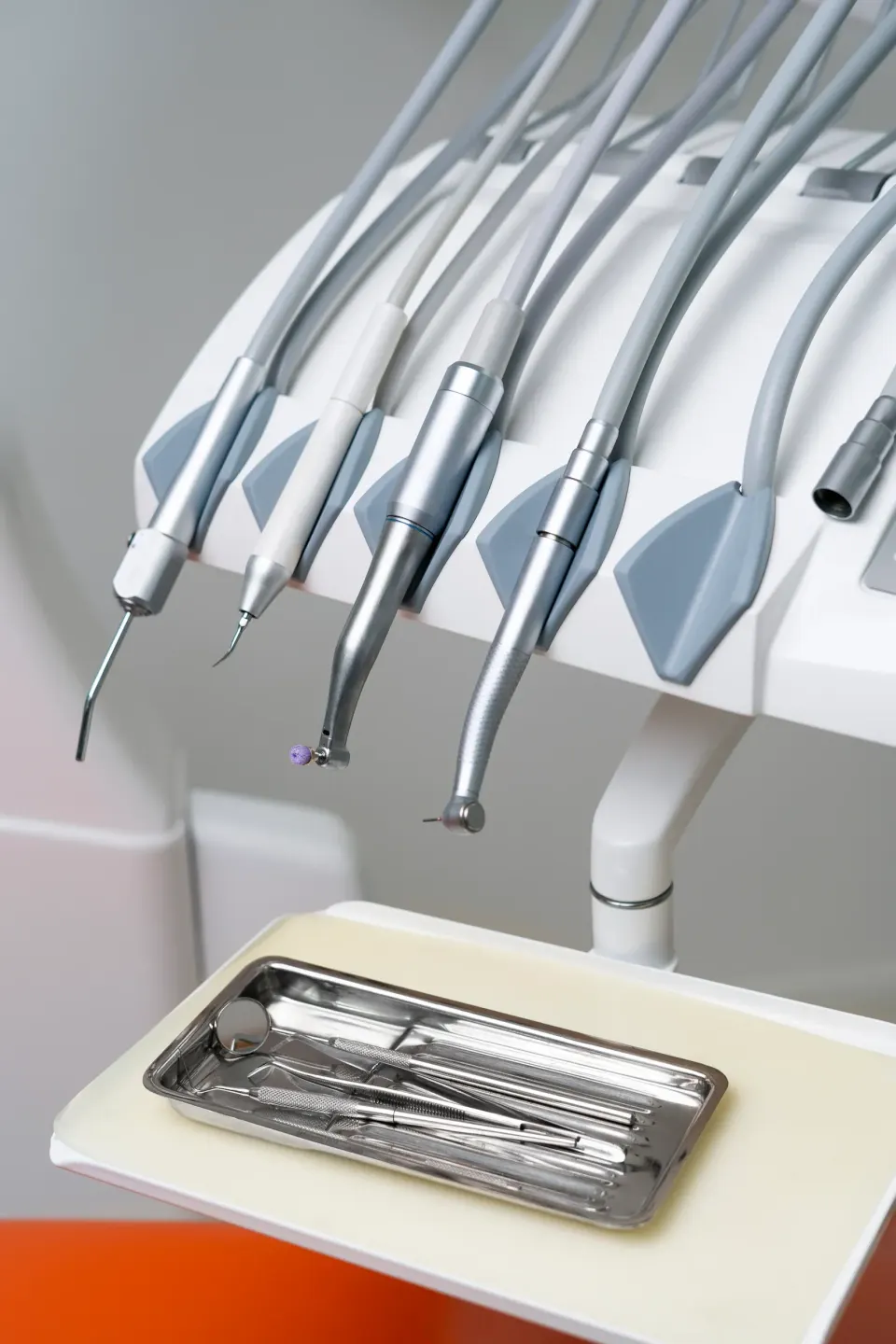
The procedure is performed under local anesthesia for your comfort. Dr. Manmode works one or two quadrants of the mouth per visit, using ultrasonic scalers and fine hand instruments to carefully clean each tooth root. Most patients describe the sensation as mild pressure with minimal discomfort during the procedure.
Gum tissue begins healing within the first week, with noticeable reduction in swelling and bleeding. Full tissue reattachment and pocket depth improvement typically develop over four to eight weeks. Ongoing maintenance visits every three to four months help sustain results long-term.