Evaluation
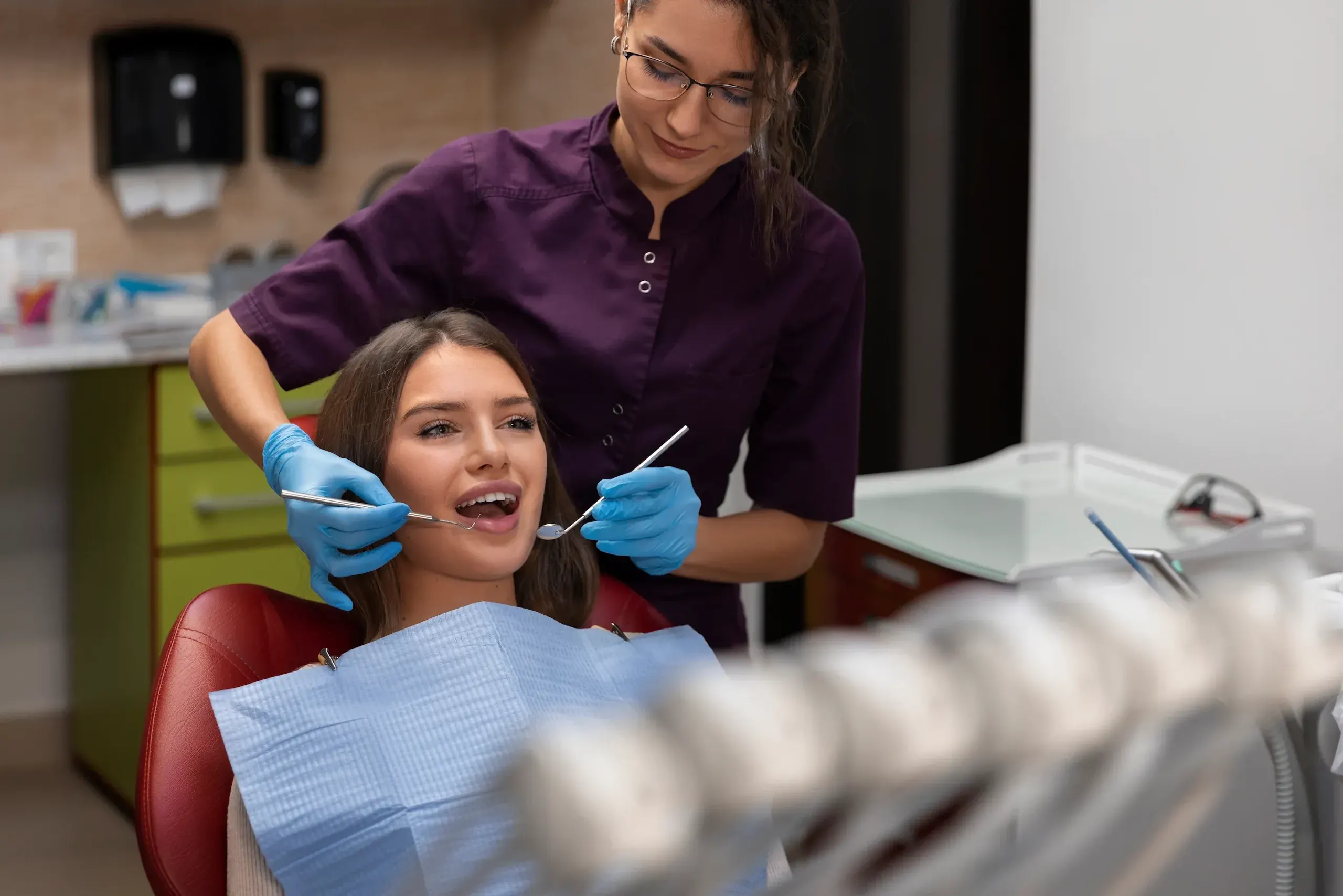
Dr. Manmode performs a comprehensive oral exam with digital imaging to assess bone health and plan precise implant placement.

Titanium-rooted restorations that look, feel, and function like your natural teeth.
Understanding Tooth Loss
Losing even a single tooth can change the way you eat, speak, and feel about your appearance. Over time, the jawbone beneath the missing tooth begins to shrink, causing neighboring teeth to shift out of alignment. Many patients notice their face looks sunken or aged as bone density decreases. The gap left by a missing tooth can trap food and bacteria, increasing the risk of gum disease and further tooth loss. Traditional solutions like dentures may slip or feel uncomfortable, leaving patients self-conscious during meals and conversations.
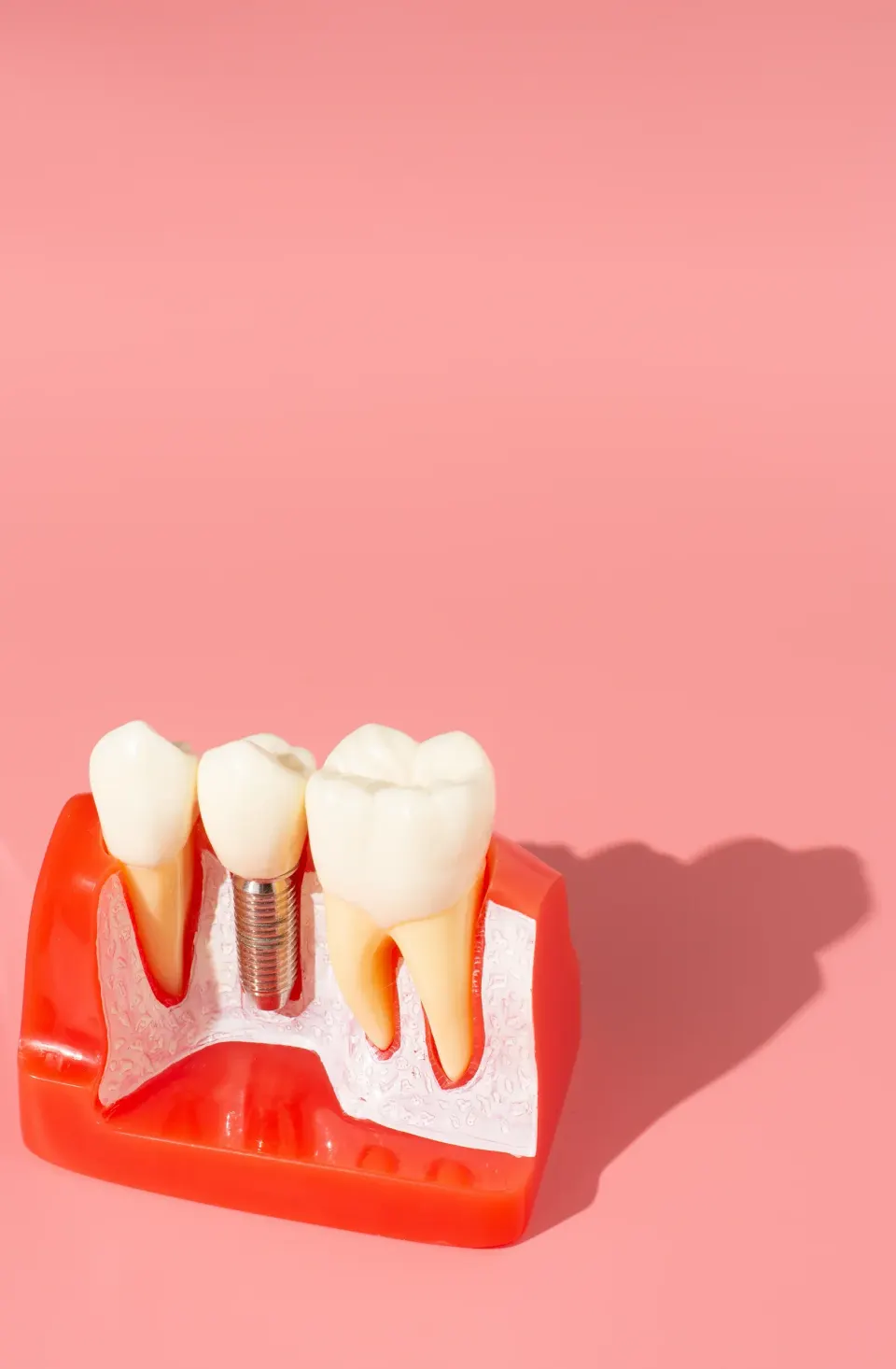
Dental implants address tooth loss at its source by replacing the entire tooth structure, from root to crown. A biocompatible titanium post is placed directly into the jawbone, where it fuses with the bone through a process called osseointegration. This preserves jawbone density and prevents the facial changes associated with tooth loss. Once healed, a custom-crafted crown is attached that matches your natural teeth in color, shape, and function. The result is a restoration that feels secure, looks authentic, and allows you to eat, speak, and smile without worry.
Finding Your Best Solution
Dental implants are an excellent option for most adults who are missing one or more teeth and want a permanent, natural-looking replacement. The best candidates have adequate jawbone density to support the implant and are committed to maintaining good oral hygiene.
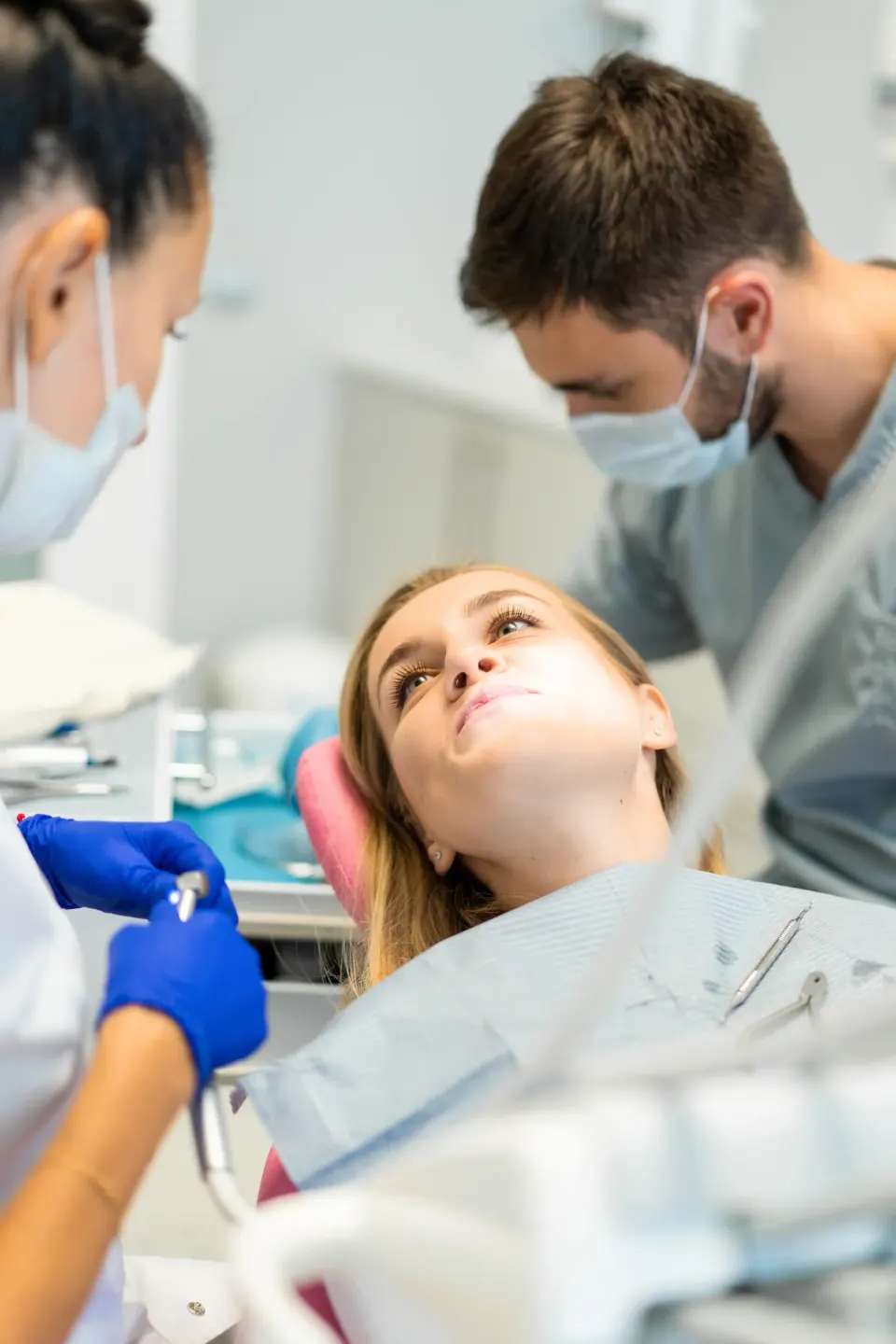
During your consultation, Dr. Manmode will evaluate your bone density, review your medical history, and discuss whether dental implants are the right choice for your situation. If bone loss is present, bone grafting may be recommended to create a strong foundation for your implant.
A Permanent Foundation
Implants are designed to last 25 years or more with proper care
Custom crowns match the color, shape, and translucency of your natural teeth
Titanium posts stimulate the jawbone and prevent bone loss over time
Eat, speak, and smile with the same confidence as natural teeth
Unlike bridges, implants do not require altering adjacent healthy teeth
The cost of a single dental implant in the Longwood and Orlando area typically ranges from $3,000 to $5,800, which includes the implant post, abutment, and custom crown. Factors that influence your total cost include the number of implants needed, whether bone grafting is required, the type of restoration (single crown, bridge, or implant-supported denture), and the materials selected. Exact pricing will be discussed during your consultation based on your individual treatment plan.
For patients replacing a full arch of teeth, implant-supported denture solutions typically range from $15,000 to $30,000 per arch depending on the number of implants and the type of prosthetic used.
Dental World believes everyone deserves access to quality tooth replacement. We offer multiple financing solutions to fit your budget:
Many dental insurance plans now provide partial coverage for specialized treatments. Our team will help you understand your benefits and maximize your coverage. Contact us at (407) 830-4401 to discuss your options.
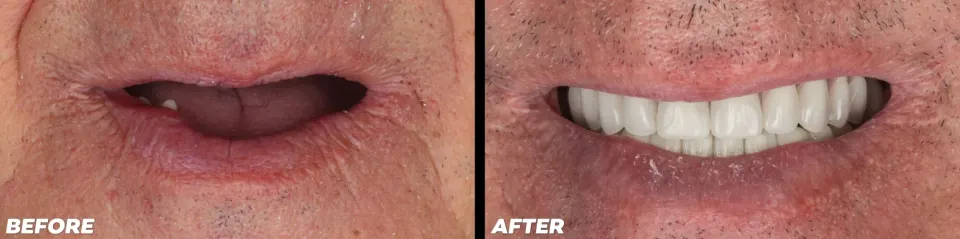
All-on-X Dental Implants
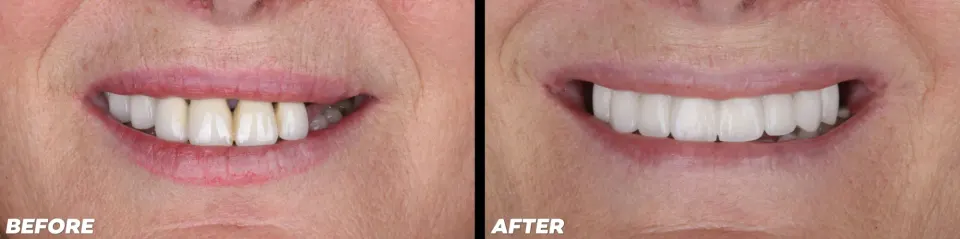
Dental Implants
Dental implant results develop gradually as the implant integrates with your jawbone over three to six months. Once the final crown is placed, the restoration is virtually indistinguishable from a natural tooth. Final results become fully apparent after the permanent restoration is seated. Individual results may vary based on bone quality, oral health, and adherence to aftercare instructions.
View AllCompare Your Options
| Treatment | Mechanism | Time | Results | Duration | Downtime | Best For |
|---|---|---|---|---|---|---|
| Dental Implants | Titanium post fused to jawbone | 3-6 months total | Permanent, natural look | 25+ years | 7-10 days | Long-term single or multiple replacement |
| Dental Bridges | Anchored to adjacent teeth | 2-3 weeks | Fixed restoration | 10-15 years | Minimal | Replacing 1-3 adjacent teeth quickly |
| Dentures | Removable prosthetic | 4-8 weeks | Full arch replacement | 5-10 years | None | Replacing many or all teeth affordably |
Dr. Manmode performs a comprehensive oral exam with digital imaging to assess bone health and plan precise implant placement.
Using local anesthesia, Dr. Manmode surgically places the titanium post into the jawbone at the exact angle determined during planning.
Over three to six months, the implant fuses with your jawbone while you wear a temporary restoration to maintain your appearance.
Once integration is confirmed, Dr. Manmode attaches a small connector piece that will hold your permanent crown securely in place.
A custom-crafted crown matched to your natural teeth is placed, completing your new, fully functional smile.
What to Know
After implant placement, most patients experience mild swelling, bruising, and discomfort at the surgical site. These symptoms typically resolve within seven to 10 days. Minor bleeding at the incision site is normal for the first 24 to 48 hours. Some patients report temporary numbness near the implant area, which usually resolves as tissue heals.
Implant failure, where the post does not integrate with the bone, occurs in approximately three to five percent of cases. Infection at the surgical site is possible but uncommon with proper aftercare. Nerve damage causing prolonged numbness or tingling is rare, occurring in fewer than one percent of procedures. Sinus issues may arise with upper jaw implants placed near the sinus cavity.
Titanium dental implants are FDA-cleared Class II medical devices with decades of clinical evidence supporting their safety and biocompatibility. Dr. Manmode's training in oral surgery and bone biology, combined with digital treatment planning, minimizes risk and helps ensure successful outcomes for every patient.
Your Questions Answered
A single dental implant, including the post, abutment, and crown, typically ranges from $3,000 to $5,800 in the Longwood area. We offer financing through CareCredit, Cherry, Sunbit, Alphaeon, and Proceed Finance to make treatment accessible.
With proper oral hygiene and regular dental check-ups, dental implants can last 25 years or longer. Many patients enjoy their implants for a lifetime. The crown may need replacement after 15 to 20 years due to normal wear.
Most patients report that the procedure is more comfortable than they expected. Dr. Manmode uses local anesthesia to ensure you feel no pain during placement. Mild soreness after surgery is managed with over-the-counter pain relievers and typically resolves within a week.
Most adults in good general health with adequate jawbone density are candidates. During your consultation, Dr. Manmode will evaluate your bone structure and oral health. If bone loss is present, bone grafting can create the foundation needed for a successful implant.
The full process typically takes three to six months, allowing time for the implant to fuse with the jawbone. The surgical placement itself takes one to two hours. A temporary restoration maintains your appearance during the healing period.
Yes. Implant-supported dentures are a popular option that eliminates slipping and adhesive use. As few as four implants can secure a full arch of teeth. We also offer dental bridges and traditional dentures at Dental World for patients who prefer other options.
Implants preserve jawbone health and do not require altering adjacent teeth, making them the preferred long-term option in most cases. Bridges are a good alternative when implants are not feasible. Dr. Manmode will help you choose the best solution for your situation.
Many dental insurance plans now include partial coverage for implants. Coverage varies by provider and plan. Our team will review your benefits and help you understand your out-of-pocket costs before treatment begins.

Longwood's Trusted Provider
Nearly two decades of hands-on surgical and restorative experience
Advanced imaging guides precise implant placement for optimal outcomes
From evaluation to final crown, your entire implant journey happens under one roof
Multiple payment plans including CareCredit, Cherry, and Sunbit available
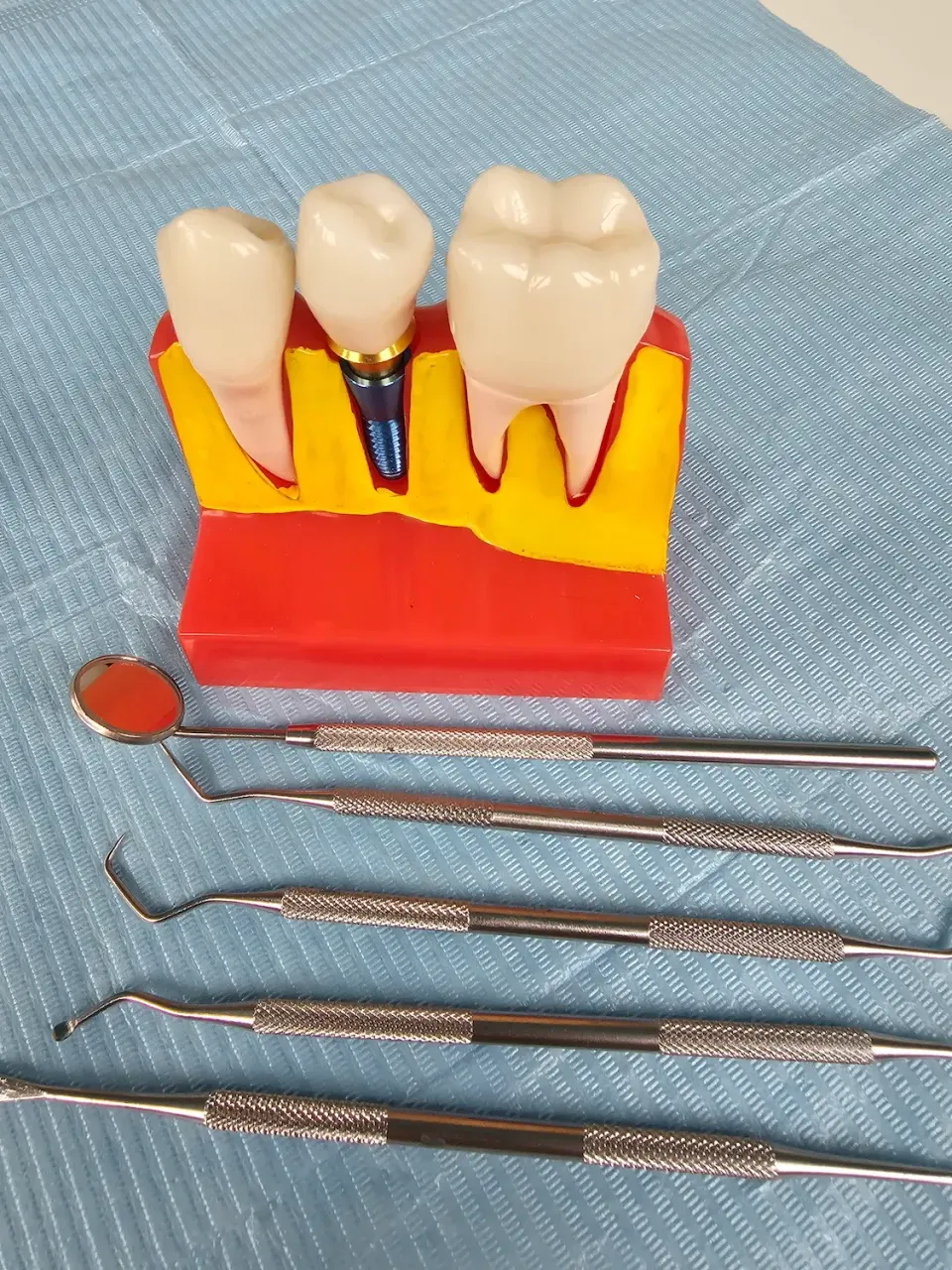
The Science of Osseointegration
Dental implants are small, threaded titanium posts that serve as artificial tooth roots. Surgically placed into the jawbone, they provide a permanent foundation for crowns, bridges, or dentures. Titanium implants are FDA-cleared Class II medical devices with a well-established safety profile spanning over 50 years of clinical use.
After placement, the titanium post undergoes osseointegration, a biological process in which the implant fuses directly with the surrounding bone tissue. This creates an anchor as strong as a natural tooth root. Research shows that modern dental implants achieve long-term survival rates of approximately 95% over 10 years, making them one of the most reliable restorations in dentistry.
Dr. Manmode begins with a thorough evaluation using digital imaging to assess your bone health and determine the ideal placement for each implant. The titanium post is then surgically placed using precise techniques to minimize discomfort. Most patients report that the procedure is more comfortable than they expected, with local anesthesia ensuring you feel no pain during placement.
Initial healing takes three to six months as the implant integrates with your jawbone. Once osseointegration is complete, your custom restoration is attached. With proper care, dental implants can last 25 years or longer, and many patients enjoy their implants for a lifetime.