Evaluation
Dr. Manmode reviews your digital X-rays to assess each wisdom tooth's position, root structure, and proximity to nerves.


Prevent crowding, infection, and damage to surrounding teeth with gentle, precise third molar extraction.
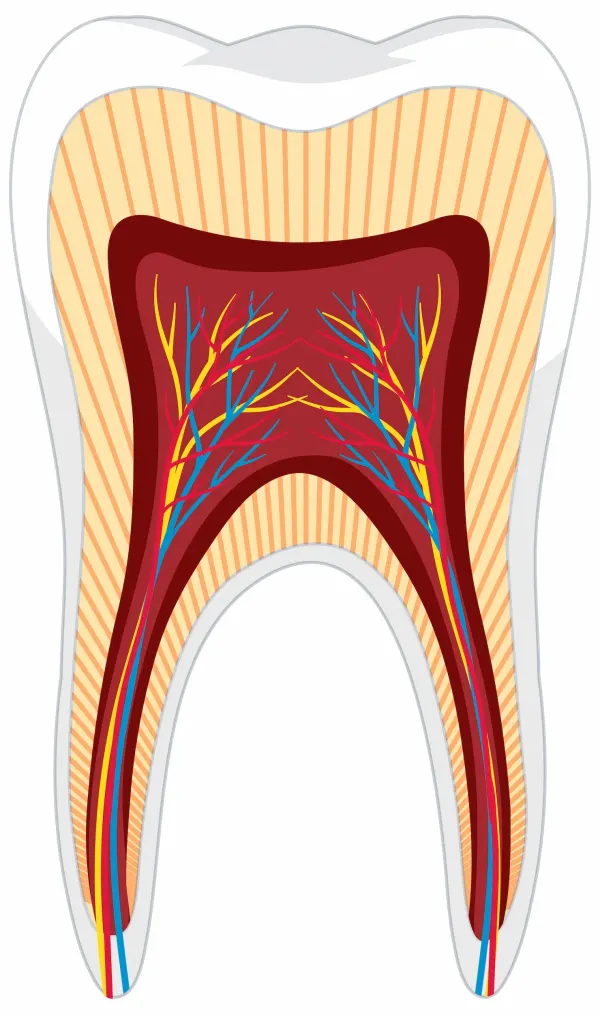
Understanding Third Molar Impaction
Wisdom teeth are the last molars to develop, typically emerging between ages 17 and 25. For many patients, there simply is not enough room in the jaw for these teeth to come in properly. When wisdom teeth become impacted or partially erupted, they can push against neighboring teeth, causing crowding, shifting, and bite changes. You may notice persistent jaw pain, swollen gums near the back of your mouth, difficulty opening your jaw fully, or a bad taste caused by trapped food and bacteria around a partially erupted tooth.
Wisdom tooth removal addresses these issues by carefully extracting the problem teeth before they cause lasting damage to your smile. Using digital imaging, Dr. Manmode evaluates the exact position, angle, and root structure of each wisdom tooth to determine the safest approach. Whether your case requires a simple extraction or a surgical approach for deeply impacted teeth, the procedure is performed under local anesthesia for your comfort. Most patients return to normal activities within a few days, with complete healing over the following weeks.
Finding Your Best Path Forward
Wisdom tooth removal is appropriate for patients whose third molars are causing problems or are likely to cause complications based on their position and development. During your consultation, Dr. Manmode will evaluate your dental X-rays and oral health to determine whether extraction is recommended.
Dr. Manmode reviews your complete medical history and current medications before recommending any procedure. If you have health conditions that affect healing or bleeding, she will coordinate with your physician to ensure your safety.
Prevent Future Complications

Protects your existing teeth from shifting and misalignment
Eliminates hard-to-clean areas where bacteria accumulate and cause infection
Local anesthesia and careful tissue preservation for a comfortable experience
Advanced imaging guides precise, efficient extraction with minimal disruption
Most patients return to normal daily activities within three to five days
The cost of wisdom tooth removal in the Longwood, FL area typically ranges from $150 to $350 per tooth for simple extractions and $225 to $600 per tooth for surgical removal of impacted teeth. Several factors influence your total cost, including the number of teeth being removed, the degree of impaction, and whether surgical access through bone is required. Exact pricing will be discussed during your consultation based on your individual treatment plan.
Most dental insurance plans cover a portion of wisdom tooth removal when it is deemed medically necessary. Our team will verify your benefits and explain your out-of-pocket costs before scheduling your procedure.
Dental World believes everyone deserves access to quality tooth replacement. We offer multiple financing solutions to fit your budget:
Many dental insurance plans now provide partial coverage for specialized treatments. Our team will help you understand your benefits and maximize your coverage. Contact us at (407) 830-4401 to discuss your options.
Compare Your Options
| Treatment | Mechanism | Time | Results | Duration | Downtime | Best For |
|---|---|---|---|---|---|---|
| Wisdom Tooth Removal | Surgical extraction | 30-60 min | Immediate | Permanent | 3-7 days | Impacted or symptomatic teeth |
| Monitoring Without Removal | Observation only | 15-30 min visits | No change | Ongoing | None | Asymptomatic, fully erupted |
| Coronectomy | Partial crown removal | 30-45 min | Immediate | Permanent | 3-7 days | High nerve proximity risk |
Dr. Manmode reviews your digital X-rays to assess each wisdom tooth's position, root structure, and proximity to nerves.
Local anesthesia is administered to thoroughly numb the treatment area so you feel no pain during the procedure.
Using specialized instruments, Dr. Manmode gently loosens and removes each tooth, making small incisions only when needed for impacted teeth.
The extraction sites are cleaned and sutured as needed. Dr. Manmode places gauze and provides detailed aftercare instructions for a smooth recovery.
What to Know
Swelling, mild to moderate discomfort, and minor bleeding are expected in the first two to three days following extraction. Bruising along the jaw and cheek may appear and typically resolves within one to two weeks. Temporary stiffness when opening the mouth (trismus) is common and gradually improves over several days.
Dry socket (alveolar osteitis) occurs in approximately 2 to 5 percent of extractions when the blood clot is dislodged from the extraction site. Temporary numbness or tingling of the lip, tongue, or chin from nerve proximity affects roughly 0.6 to 5.5 percent of lower wisdom tooth extractions and typically resolves within weeks to months. Infection at the extraction site occurs in fewer than 4 percent of cases and is treatable with antibiotics.
Dr. Manmode uses digital imaging to map nerve locations and root anatomy before every extraction, minimizing risk through careful surgical planning. Her gentle technique and thorough aftercare instructions help reduce the likelihood of complications. If you experience unusual symptoms during recovery, our team is available for prompt follow-up care.
Your Questions Answered
We recommend evaluation in the late teens to early twenties, when roots are not fully formed and recovery is typically faster. Dr. Manmode will assess whether removal is necessary based on your X-rays and symptoms.
The procedure is performed under local anesthesia, so you should feel no pain during the extraction. Some pressure and mild discomfort during recovery are normal and manageable with over-the-counter pain medication.
Most patients return to normal activities within three to five days. Swelling peaks around day two to three and gradually subsides. Complete healing of the extraction site takes approximately four to six weeks.
No. If your wisdom teeth are fully erupted, properly aligned, healthy, and easy to clean, removal may not be necessary. Dr. Manmode recommends extraction only when there is a clear clinical reason.
Stick to soft foods like yogurt, applesauce, mashed potatoes, and smoothies for the first few days. Avoid hot foods, hard or crunchy items, and using straws for at least one week to protect the healing sites.
Costs range from $150 to $600 per tooth depending on complexity. We accept most dental insurance and offer financing through Cherry Finance, Sunbit, Proceed, CareCredit, and other providers to make treatment affordable.
In some cases, yes. If you need a general tooth extraction or other dental work, Dr. Manmode may be able to coordinate procedures during the same visit. We also recommend scheduling a dental cleaning and exam after you have healed.
Common signs include jaw pain or stiffness near the back of your mouth, swollen or tender gums, difficulty opening your mouth, bad breath, and an unpleasant taste. Some impacted teeth cause no symptoms and are only detected on X-rays.
Longwood's Trusted Provider
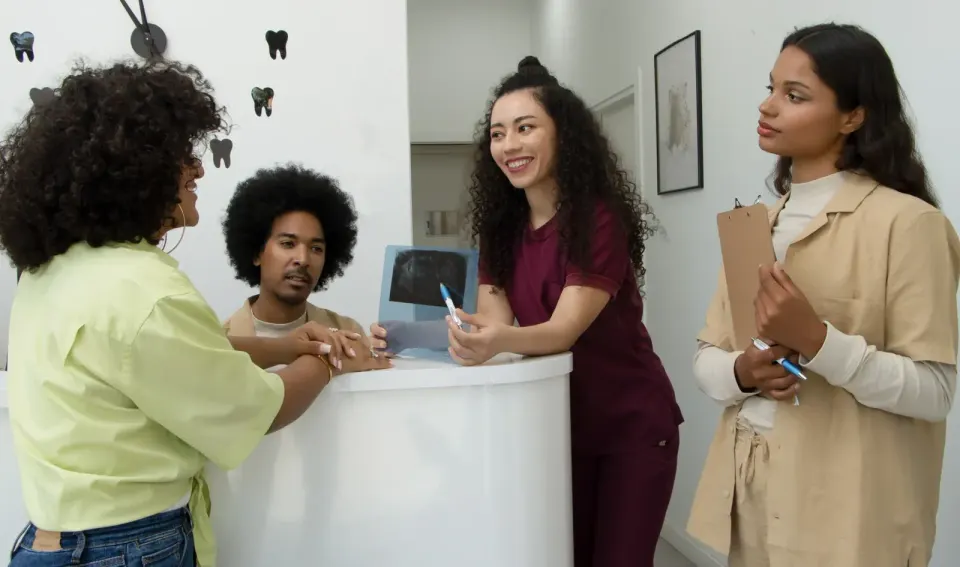
Nearly 20 years of clinical experience performing simple and surgical extractions
Advanced imaging technology for precise treatment planning and safer outcomes
A welcoming, spa-like atmosphere designed to ease dental anxiety
Detailed recovery instructions and attentive follow-up support for every patient
The Science of Third Molar Extraction
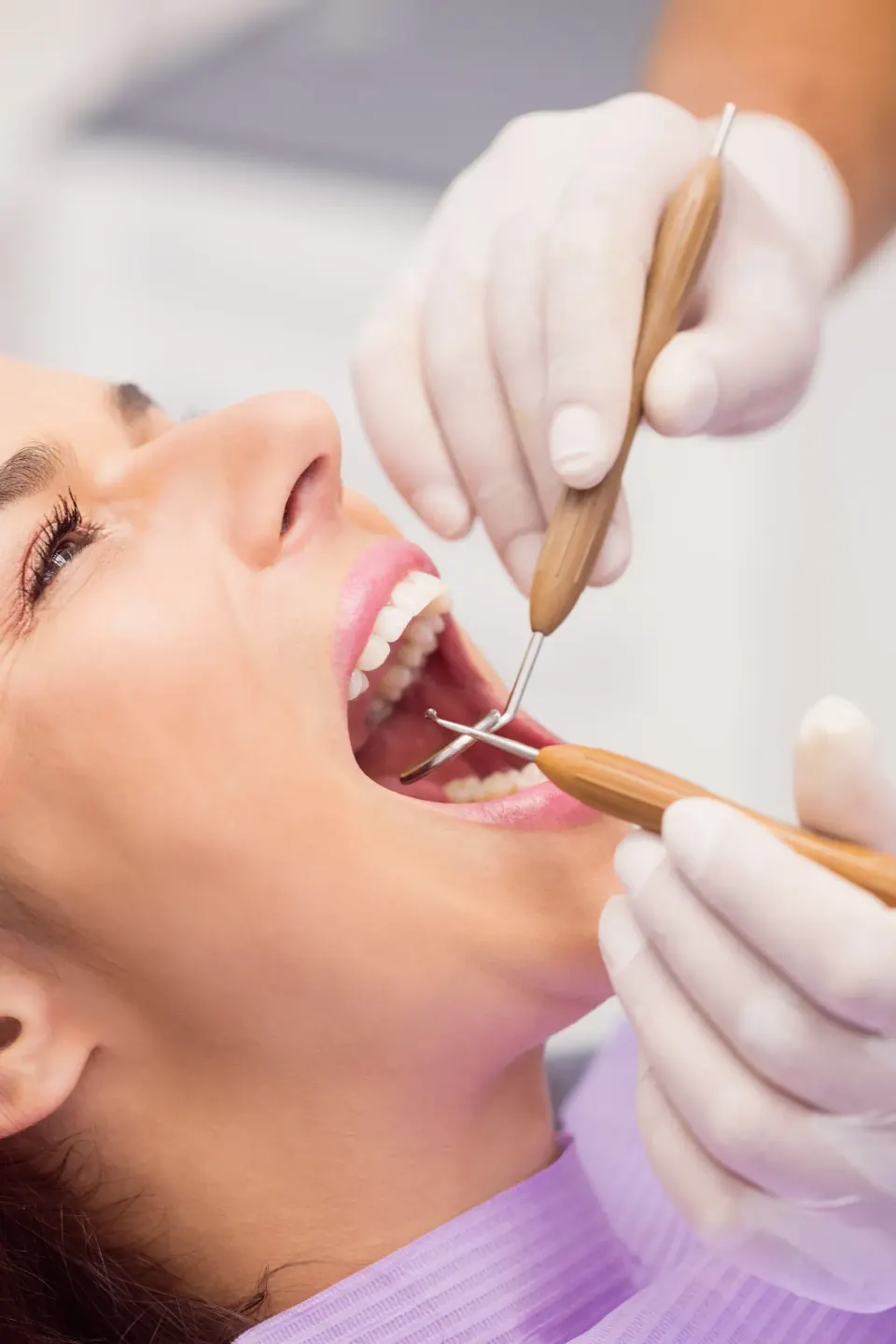
Wisdom tooth removal is an oral surgery procedure that extracts one or more third molars, the last teeth to develop in the back of the mouth. The American Dental Association recognizes extraction as appropriate when wisdom teeth cause pain, infection, cysts, damage to adjacent teeth, or gum disease that cannot be managed conservatively.
The procedure varies depending on whether the tooth has fully erupted or is impacted beneath the gum and bone. For erupted wisdom teeth, Dr. Manmode performs a simple extraction using dental elevators and forceps to loosen and remove the tooth. For impacted teeth, a small incision is made in the gum tissue, and in some cases a small amount of bone is removed to access the tooth. Studies show that approximately 72% of the worldwide population has at least one impacted third molar, making this one of the most commonly performed oral surgery procedures.
The area is thoroughly numbed with local anesthesia so you remain comfortable throughout. Dr. Manmode uses digital X-rays to plan the precise extraction approach, then gently removes the tooth while preserving surrounding tissue. The entire process typically takes 30 to 60 minutes depending on the number of teeth and complexity.
Initial healing of the extraction site typically occurs within the first one to two weeks. Most patients manage discomfort effectively with over-the-counter pain medication and return to normal activities within three to five days.