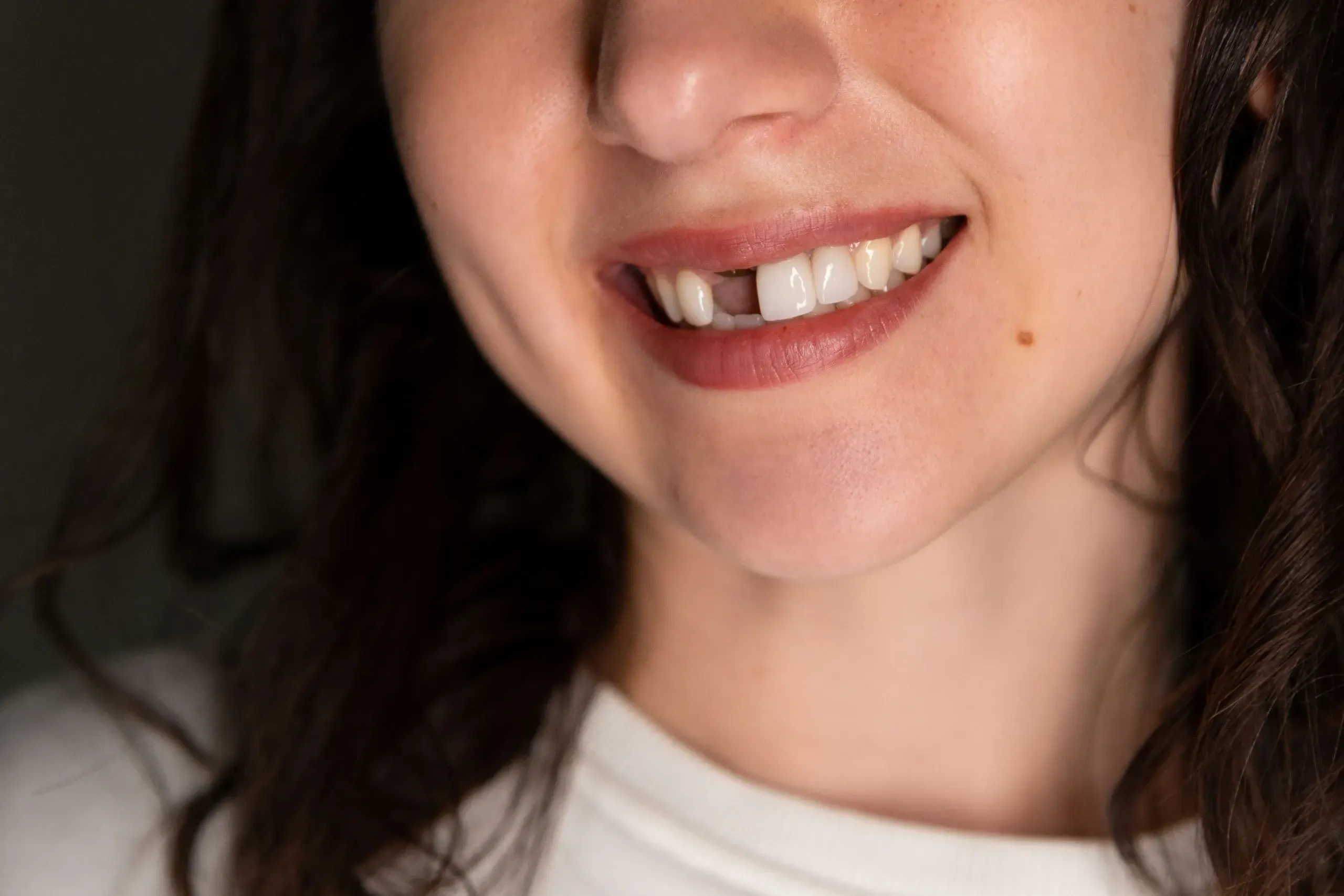
Patient smiling confidently after tooth replacement at Dental World Longwood

Missing Teeth Treatment in Longwood, FL

Restore Your Complete, Confident Smile

Common In:Adults 35+
Primary Causes:Decay, Gum Disease, Trauma
Treatment Time:1-6 months
Results:Immediate to 6 months
Close-up illustration of missing tooth concerns at Dental World

What Are Missing Teeth?

Recognizing the Signs

Missing teeth, clinically referred to as edentulism (partial or complete), describes the absence of one or more natural teeth from the dental arch. This condition affects both function and aesthetics, resulting from untreated decay, advanced periodontal disease, traumatic injury, or congenital absence. Without replacement, the surrounding teeth and jawbone begin to shift and deteriorate.

When you notice a gap in your smile or find it difficult to chew certain foods, you are experiencing the daily reality of missing teeth. This condition manifests as visible gaps, difficulty speaking clearly, and an inability to bite or chew with confidence, making everyday activities like eating and socializing feel different than they used to.

Many patients describe feeling self-conscious about their smile, avoiding photos or covering their mouth when they laugh. The gap left by even a single missing tooth can change the way your face looks over time, as neighboring teeth drift and the jawbone beneath the empty space gradually loses density.

Illustration of jawbone changes after tooth loss at Dental World Longwood

Why Missing Teeth Happen

Understanding the Root Causes

Healthy teeth are anchored in the jawbone by a network of periodontal ligaments and supported by surrounding gum tissue. When this support system is compromised by bacterial infection, the bone begins to recede. Periodontal disease is the leading cause of tooth loss in adults over 35, responsible for approximately 70% of cases in this age group.

Untreated cavities allow bacteria to penetrate deep into the tooth structure, eventually reaching the pulp and root. This progressive decay weakens the tooth beyond repair, often resulting in fracture or the need for extraction. Once a tooth is lost, the alveolar bone in that area begins resorbing at a rate of up to 25% within the first year.

The consequences of tooth loss extend beyond the gap itself. Adjacent teeth lose their lateral support and begin shifting toward the empty space, while the opposing tooth may over-erupt. This cascade of movement can alter your bite alignment, increase wear on remaining teeth, and create new areas vulnerable to decay and gum disease.
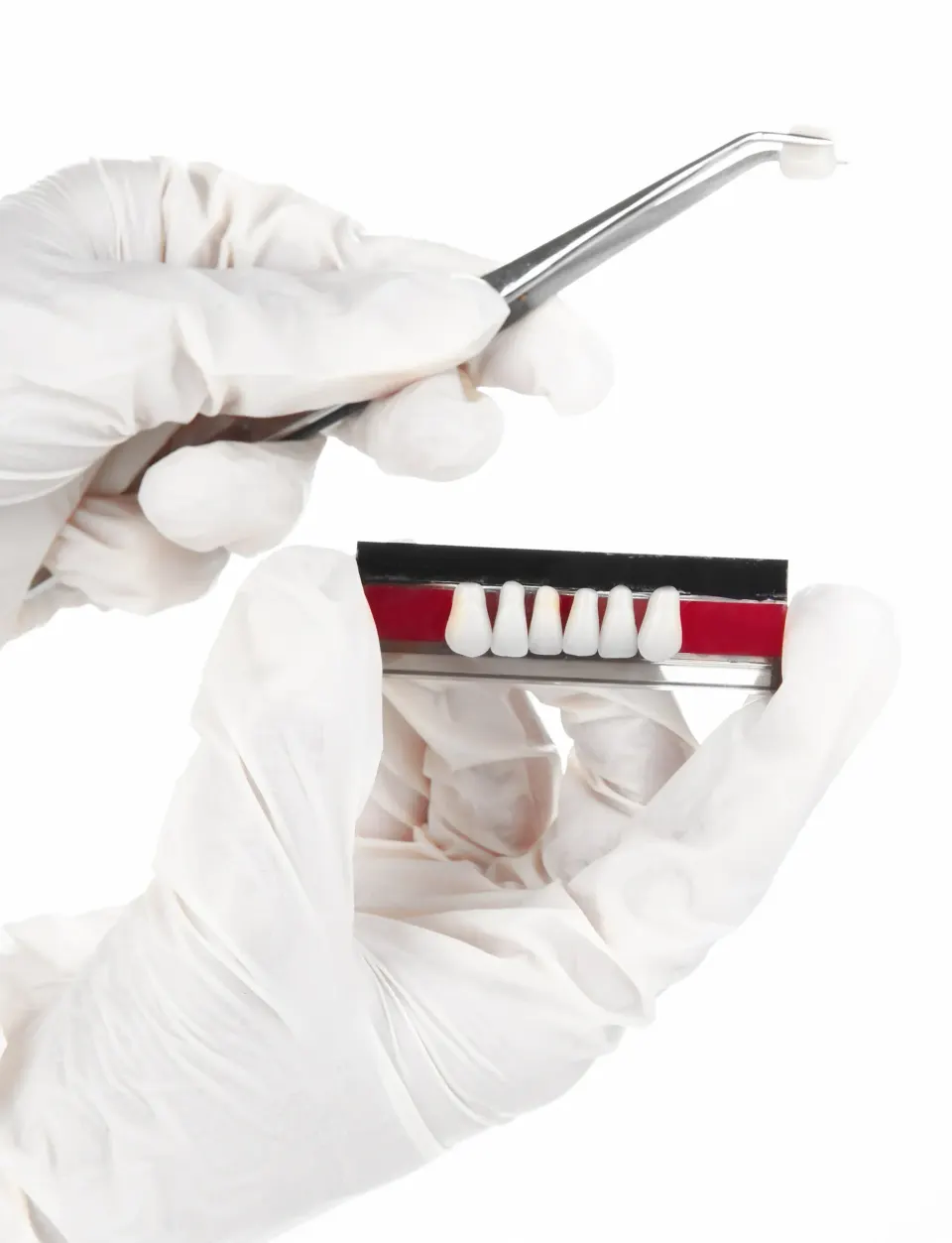
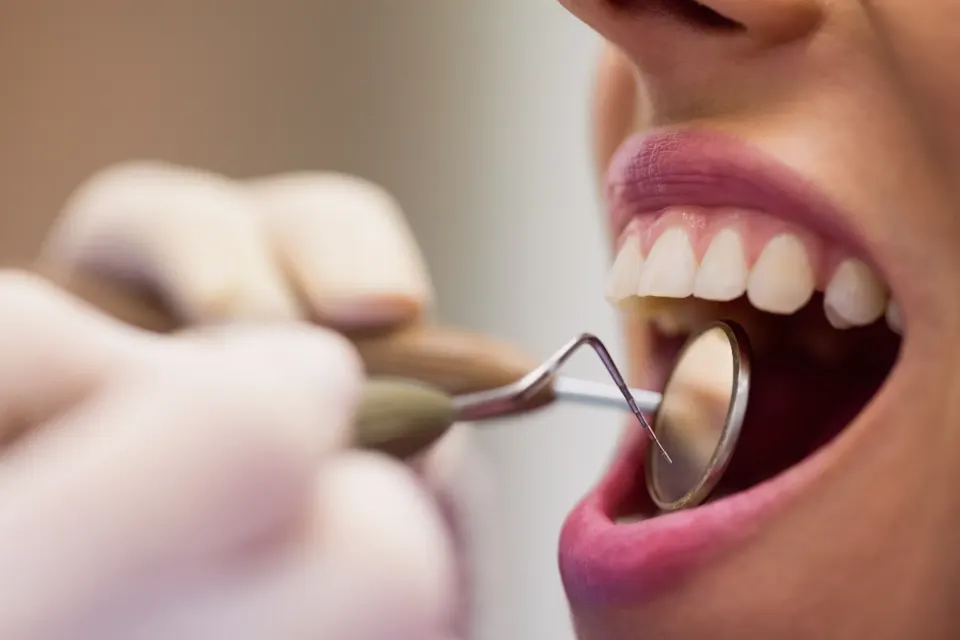
Diagram showing bone resorption after tooth loss at Dental World

Bone Loss & Facial Changes

How Tooth Loss Affects Your Jawbone

The alveolar bone is the specialized ridge of bone that exists solely to support your teeth. When a tooth is removed, the alveolar bone in that area no longer receives the mechanical stimulation it needs from chewing forces. Without this stimulation, osteoclast activity increases and the bone begins to resorb, losing both height and width progressively over time.

Research shows that post-extraction alveolar bone loss can reach 40 to 60% of its original volume within the first two to three years. This resorption follows a predictable pattern: rapid loss in the first six months, then a slower but continuous decline throughout life. The mandible tends to lose bone at roughly twice the rate of the maxilla due to its smaller cross-sectional area.

As the jawbone diminishes, the soft tissue and facial muscles lose their underlying support. This can cause the cheeks to appear sunken, the lips to thin, and the chin to move forward, creating a prematurely aged appearance. These facial changes become more pronounced with each additional tooth that is lost and left unreplaced.

Lifestyle factors affecting tooth loss risk at Dental World Longwood

What Accelerates Tooth Loss?

Identifying Your Risk Factors

01

Gum Disease

Untreated gingivitis progresses to periodontitis, destroying the bone and connective tissue that hold teeth in place and leading to loosening and eventual loss.

02

Untreated Tooth Decay

Cavities that go unrepaired allow bacteria to reach the tooth's inner pulp, causing infection that can weaken the tooth structure beyond what a filling or crown can save.

03

Injury or Trauma

Sports injuries, falls, and accidents can crack, fracture, or completely knock out teeth, especially when protective mouthguards are not worn during physical activities.

04

Poor Oral Hygiene

Inconsistent brushing and flossing allows plaque and tartar buildup that fuels the bacterial infections responsible for both decay and gum disease over time.

05

Smoking & Tobacco Use

Tobacco significantly increases the risk of periodontal disease by reducing blood flow to the gums, impairing healing, and accelerating bone loss around tooth roots.

06

Medical Conditions

Diabetes, osteoporosis, and certain autoimmune disorders weaken the body's ability to fight oral infections and maintain the bone density needed to support teeth.

Dental World clinic interior in Longwood Florida

Why Choose Dental World

Expert Care in Longwood

  • Comprehensive Assessment
  • Personalized Treatment Plans
  • Multiple Replacement Options
  • Family-Friendly Environment

Treatment Options Comparison

Finding Your Best Approach

Treatment Best For Session Time Results Timeline Maintenance
All-on-X Dental Implants Permanent single or multiple tooth replacement 1-2 hours per implant 3-6 months (with healing) Brush and floss normally
Dental Bridges Replacing 1-3 adjacent teeth 2 visits, 1 hour each 2-3 weeks Special flossing required
Dentures Multiple or full arch replacement 3-5 visits over weeks Immediate to 8 weeks Daily removal and cleaning
Patient concerned about missing teeth at Dental World

You May Be Experiencing Missing Teeth If...

Recognizing When to Seek Help

  • Visible Gaps
  • Difficulty Chewing
  • Shifting Teeth
  • Speech Changes
  • Jaw Pain or Soreness

Frequently Asked Questions

About Missing Teeth

01 What happens if I don't replace a missing tooth?

Leaving a gap untreated can lead to shifting of adjacent teeth, bone loss in the jaw, changes to your bite alignment, and increased risk of decay and gum disease in surrounding teeth. Over time, facial structure changes may also occur as the jawbone deteriorates.

02 How do I know which tooth replacement option is right for me?

The best option depends on how many teeth are missing, the health of your jawbone and gums, your budget, and your long-term goals. During a consultation, Dr. Manmode evaluates these factors and recommends a personalized treatment plan.

03 Are dental implants better than bridges or dentures?

Dental implants are typically considered the gold standard because they preserve jawbone and function like natural teeth. However, bridges and dentures are excellent options depending on your health, budget, and preferences. Each has distinct advantages.

04 How quickly can I get a tooth replaced after an extraction?

In some cases, immediate options are available. A temporary denture can be placed the same day, while a bridge typically takes two to three weeks. Dental implants require a healing period of three to six months before the final crown is placed.

05 Can missing teeth affect my overall health?

Yes. Tooth loss has been linked to nutritional deficiencies from difficulty chewing, digestive issues from improperly broken-down food, and even increased risk of cardiovascular concerns. Replacing missing teeth helps maintain both oral and overall health.

06 Does insurance cover tooth replacement treatments?

Many dental insurance plans cover a portion of bridges and dentures. Implant coverage varies by plan. At Dental World, we accept most major insurance and offer financing options through CareCredit, Sunbit, Cherry Finance, Alphaeon, and Proceed Finance.

07 Is it too late to replace a tooth I lost years ago?

It is typically not too late. Even if bone loss has occurred, procedures like bone grafting can rebuild the foundation needed for dental implants. Dr. Manmode will assess your current bone density and gum health to determine the best path forward.

Location1250 W State Rd 434, STE 1008
Longwood, FL, 32750

Schedule Your Consultation

Scientific References