
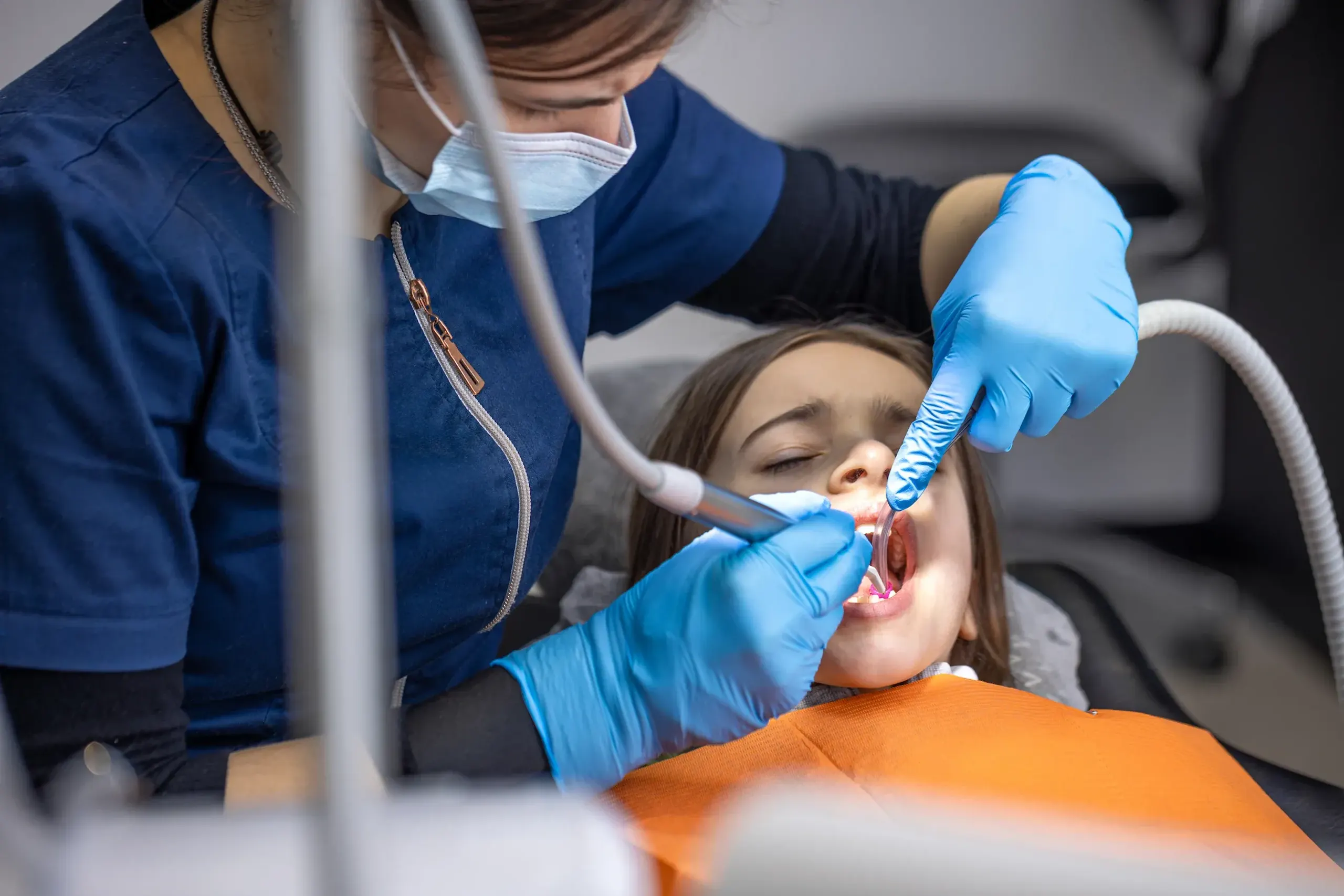

Patient learning about cavity treatment options at Dental World Longwood FL

Cavities & Tooth Decay Treatment in Longwood, FL

Protect and Restore Your Healthy Smile

Common In:Children & Adults
Primary Causes:Bacteria, Sugar, Poor Hygiene
Treatment Time:30-60 Minutes
Results:Same-Day Restoration
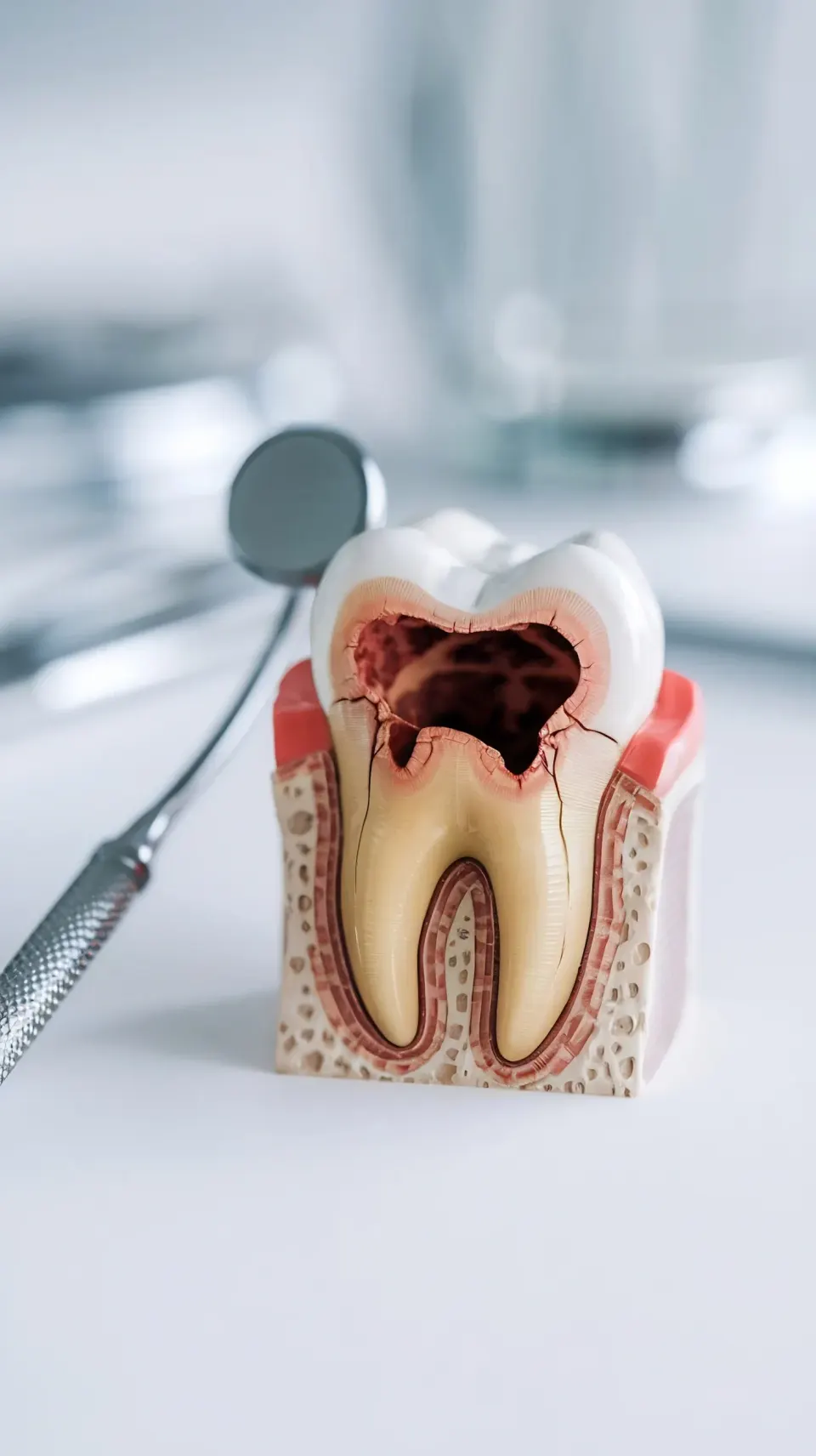
Close-up illustration of tooth decay progression at Dental World Longwood

What Are Cavities and Tooth Decay?

Recognizing the Signs

Dental caries, commonly known as cavities, are permanently damaged areas in the hard surface of your teeth that develop into tiny openings or holes. This condition occurs when bacteria in your mouth produce acids that erode tooth enamel, the protective outer layer of each tooth. According to global health data, untreated dental caries in permanent teeth is one of the most prevalent health conditions worldwide, affecting billions of people.

When you notice a dark spot on your tooth, feel a sharp twinge while eating something sweet, or experience sensitivity to hot and cold temperatures, you may be seeing the early signs of tooth decay. Many patients first become aware of a cavity when a previously comfortable tooth begins reacting to certain foods or drinks.

Cavities can affect anyone at any age, from toddlers with their first baby teeth to older adults managing lifelong oral health. The condition often develops silently, without pain in its earliest stages, which is why many patients are surprised to learn they have a cavity during a routine dental exam.

Diagram showing how bacteria cause tooth decay at Dental World Longwood FL

Why Cavities and Tooth Decay Happen

Understanding the Root Causes

Tooth decay begins with bacteria, primarily Streptococcus mutans, that naturally live in your mouth. These bacteria thrive on sugars and starches from the foods you eat, producing acids as a byproduct. In a healthy mouth, saliva helps neutralize these acids and remineralize enamel. However, when acid production outpaces your mouth's natural defenses, the enamel begins to break down at a molecular level.

The decay process follows a predictable pattern. Bacteria form a sticky film called plaque on tooth surfaces within hours of eating. If plaque is not removed through brushing and flossing, it hardens into tartar within 24 to 48 hours, creating a shield that protects bacteria and makes them harder to remove. The acids trapped beneath plaque and tartar slowly dissolve the minerals in your enamel.

Once enamel is compromised, decay progresses more rapidly through the softer dentin layer beneath. Dentin contains microscopic tubes that connect directly to the tooth's nerve center, which is why cavities that reach this layer often cause sensitivity and pain. Without treatment, decay can reach the pulp, the innermost part of the tooth containing nerves and blood vessels.


Illustration of enamel remineralization process at Dental World Longwood

Enamel Erosion and Remineralization

How Your Teeth Fight Back Against Decay

Tooth enamel is the hardest substance in the human body, composed of approximately 96% mineral content, primarily hydroxyapatite crystals. Despite its remarkable strength, enamel has no living cells and cannot regenerate once it is lost. This makes prevention and early intervention critically important for maintaining long-term dental health.

Your mouth operates in a constant cycle of demineralization and remineralization throughout the day. Every time you eat or drink, acids temporarily lower the pH in your mouth, pulling calcium and phosphate ions out of the enamel surface. Between meals, saliva works to restore a neutral pH and redeposit these minerals back into the enamel. Fluoride plays a key role in this repair process by integrating into the enamel structure to form fluorapatite, which is more resistant to acid attack than the original hydroxyapatite.

When the balance tips toward demineralization, whether from frequent snacking, reduced saliva flow, or inadequate oral hygiene, white spot lesions appear on the tooth surface. These chalky white areas represent the earliest visible stage of decay and are the last point at which the process can be reversed without restorative treatment. Identifying these early signs is one of the reasons regular dental exams are so valuable.

Lifestyle factors affecting cavity risk at Dental World Longwood FL

What Accelerates Cavities and Tooth Decay?

Identifying Your Risk Factors

01

Frequent Snacking

Eating or drinking sugary and starchy foods throughout the day gives mouth bacteria a constant fuel supply, producing acid attacks that your saliva cannot fully neutralize between meals.

02

Inadequate Oral Hygiene

Skipping brushing sessions or not flossing allows plaque to build up on tooth surfaces and between teeth, creating protected environments where decay-causing bacteria thrive.

03

Dry Mouth

Reduced saliva flow from medications, medical conditions, or mouth breathing limits your mouth's ability to wash away food particles and neutralize bacterial acids.

04

Tooth Location

Back teeth with their deep grooves and multiple roots are especially vulnerable because they collect food particles and are harder to reach with a toothbrush.

05

Age-Related Changes

Gum recession in older adults exposes tooth roots, which lack the protective enamel covering and are more susceptible to decay than crown surfaces.

06

Dietary Habits

Acidic beverages like soda and citrus juices directly weaken enamel, while sticky foods like dried fruit cling to teeth longer, extending the duration of acid exposure.

Dental World clinic interior in Longwood Florida

Why Choose Dental World

Expert Care in Longwood

  • Comprehensive Evaluation
  • Gentle, Comfortable Care
  • Tooth-Colored Restorations
  • Family-Friendly Practice

Treatment Options Comparison

Finding Your Best Approach

Treatment Best For Session Time Results Timeline Maintenance
Dental Fillings Small to moderate cavities 30-60 minutes Same day 5-15 years
Dental Crowns Large cavities or weakened teeth 1-2 visits 1-2 weeks 10-15+ years
Root Canal Treatment Deep decay reaching the pulp 60-90 minutes 1-2 weeks full healing Lifetime with crown
Person concerned about tooth sensitivity at Dental World Longwood FL

You May Be Experiencing Tooth Decay If...

Recognizing When to Seek Help

  • Sensitivity to Sweets
  • Hot and Cold Reactions
  • Visible Discoloration
  • Spontaneous Toothache
  • Food Trapping
  • Rough or Broken Edge

Frequently Asked Questions

About Cavities and Tooth Decay

01 How do I know if I have a cavity?

Early cavities often have no symptoms at all, which is why regular dental exams with X-rays are so important. As decay progresses, you may notice sensitivity to sweet, hot, or cold foods, visible dark spots on teeth, or a persistent toothache. Dr. Manmode can detect cavities in their earliest stages during a routine checkup.

02 Can a cavity heal on its own?

Once a cavity has formed a hole in the enamel, it cannot repair itself and requires professional treatment such as a dental filling. However, very early-stage decay, visible as white spot lesions, can sometimes be reversed with fluoride treatments, improved oral hygiene, and dietary changes before a filling becomes necessary.

03 What happens if a cavity is left untreated?

An untreated cavity continues to grow deeper into the tooth structure. What starts as a small area of enamel damage can progress into the dentin and eventually reach the pulp, potentially requiring root canal treatment or even tooth extraction. Early treatment with a simple dental filling is typically faster, more comfortable, and more affordable.

04 How can I prevent cavities from forming?

Effective cavity prevention includes brushing twice daily with fluoride toothpaste, flossing at least once per day, limiting sugary snacks and acidic drinks, and visiting Dental World for regular dental cleanings and exams. For children, dental sealants provide an additional layer of protection on back teeth where decay most commonly starts.

05 Can children get cavities in baby teeth?

Yes, baby teeth are actually more susceptible to cavities because their enamel is thinner than adult teeth. Treating cavities in baby teeth is important because untreated decay can cause pain, infection, and damage to the developing permanent teeth underneath. Our kids dentistry services are designed to make dental visits comfortable for young patients.

06 Does getting a cavity filled hurt?

Most patients experience little to no discomfort during a filling procedure. Dr. Manmode uses local anesthesia to numb the area before treatment, and many patients are surprised by how quick and comfortable the process is. Modern dental fillings typically take 30 to 60 minutes from start to finish.

07 How often should I get my teeth checked for cavities?

We typically recommend dental exams and cleanings every six months for most patients. However, individuals with a higher risk of cavities, such as those with dry mouth, a history of frequent decay, or certain dietary habits, may benefit from more frequent visits. Dr. Manmode will recommend a schedule based on your individual needs.

Location1250 W State Rd 434, STE 1008
Longwood, FL, 32750

Schedule Your Consultation

Scientific References