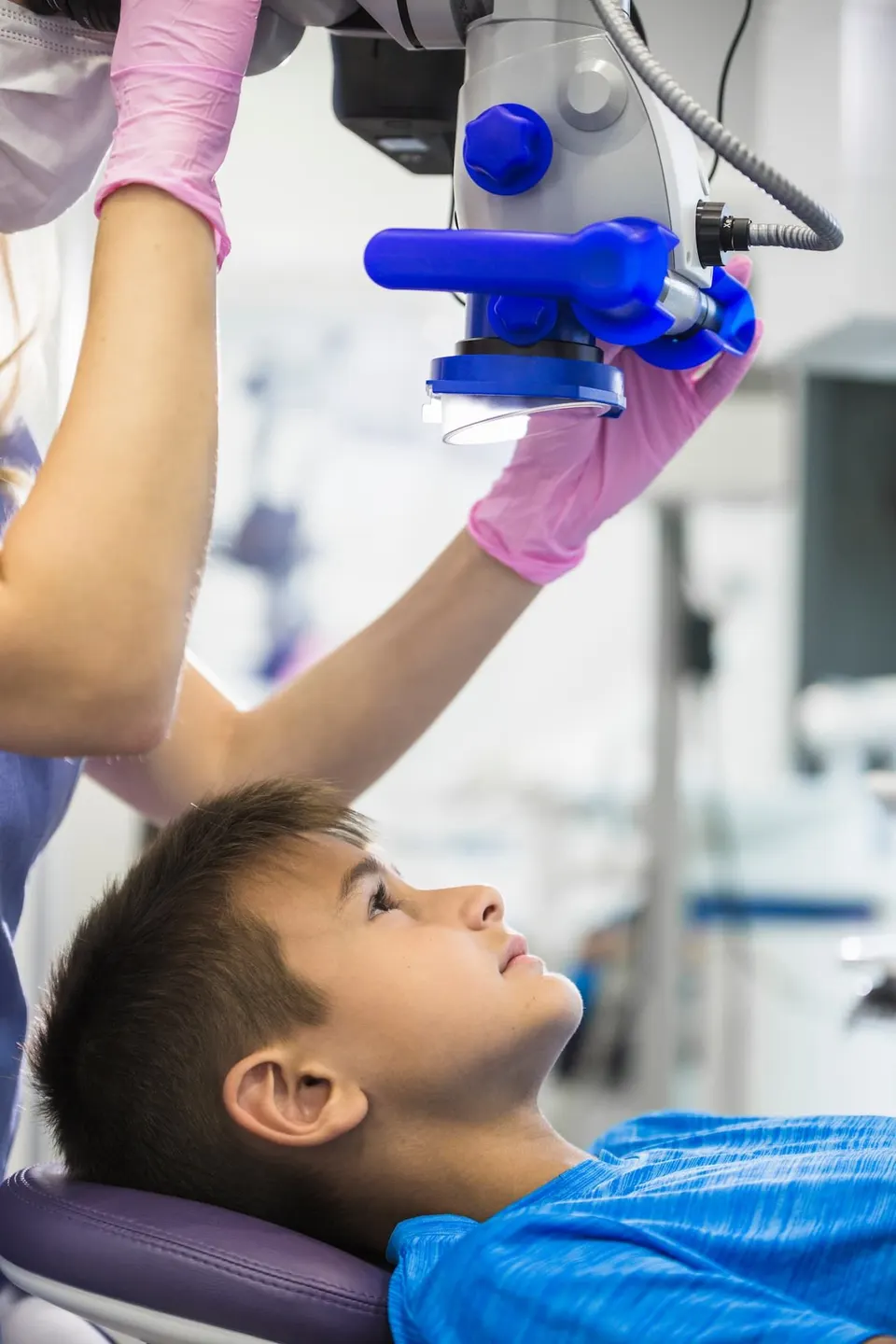

Patient discussing bad breath treatment options at Dental World Longwood

Bad Breath (Halitosis) Treatment in Longwood, FL

Restore Your Fresh, Confident Smile

Common In:Adults of All Ages
Primary Causes:Bacteria, Gum Disease, Decay
Treatment Time:30-60 Minutes
Results:Immediate to 2 Weeks
Educational diagram explaining halitosis causes at Dental World Longwood

What Is Bad Breath (Halitosis)?

Recognizing the Signs

Halitosis, commonly known as chronic bad breath, is a persistent oral malodor that cannot be resolved with brushing, flossing, or mouthwash alone. Unlike temporary breath odor from foods like garlic or onions, true halitosis originates from bacterial activity in the mouth, producing volatile sulfur compounds (VSCs) that create an unpleasant smell.

When you notice that your breath remains unpleasant despite consistent oral hygiene, or when friends and family members gently mention the issue, you may be experiencing halitosis. Many patients first become aware when they notice others stepping back during conversations or offering gum frequently.

Chronic bad breath can significantly affect your social confidence, professional interactions, and personal relationships. Many people feel embarrassed or self-conscious, often avoiding close conversations and social situations altogether.

Illustration of bacterial causes of bad breath at Dental World Longwood

Why Bad Breath Happens

Understanding the Root Causes

More than 85% of halitosis cases originate from conditions within the mouth itself. Hundreds of bacterial species colonize the tongue, teeth, and gum tissues, and when certain anaerobic bacteria break down proteins from food particles and dead cells, they release volatile sulfur compounds including hydrogen sulfide and methyl mercaptan, which produce the characteristic foul odor.

The tongue's dorsal surface provides an ideal environment for bacterial accumulation. Its rough, papillated texture traps food debris, dead epithelial cells, and bacteria in a biofilm known as tongue coating. Studies show that tongue coating is the single largest contributor to oral malodor, harboring significantly higher concentrations of odor-producing bacteria than other oral surfaces.

Periodontal disease compounds the problem by creating deep pockets between teeth and gums where bacteria thrive beyond the reach of brushing and flossing. As gum disease progresses, tissue breakdown and bacterial byproducts intensify the malodor, creating a cycle that worsens without professional intervention.

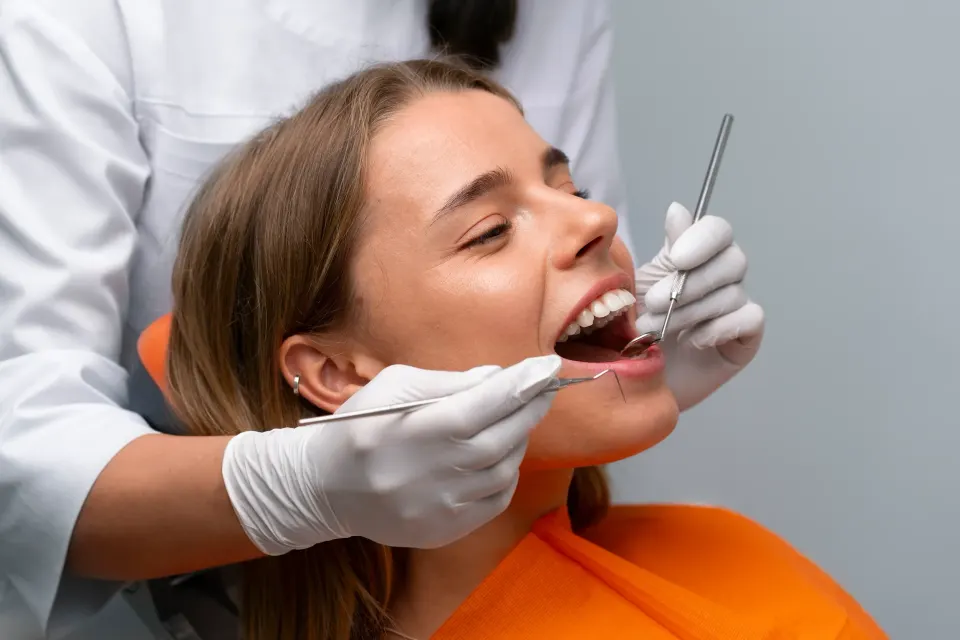
Diagram showing oral microbiome balance and halitosis at Dental World

The Oral Microbiome & Halitosis

How Bacterial Imbalance Affects Breath

Your mouth hosts over 700 species of bacteria that form a complex ecosystem known as the oral microbiome. In a healthy mouth, beneficial bacteria help control harmful species. However, when this balance shifts toward anaerobic, gram-negative bacteria, the production of volatile sulfur compounds increases dramatically, leading to persistent halitosis.

Untreated dental decay creates cavities that trap food particles and bacteria in areas impossible to clean with regular brushing. As decay progresses deeper into the tooth structure, bacterial infection of the pulp tissue can produce particularly strong odors. Similarly, failing or poorly fitting dental restorations can harbor bacterial colonies along their margins.

Reduced saliva flow, known as xerostomia or dry mouth, removes one of the body's primary natural defenses against halitosis. Saliva continuously rinses the oral cavity, neutralizes bacterial acids, and contains antimicrobial proteins. Medications, mouth breathing, and dehydration can all reduce saliva production, allowing odor-causing bacteria to proliferate unchecked.

Lifestyle factors contributing to halitosis at Dental World Longwood

What Contributes to Bad Breath?

Identifying Your Triggers

01

Poor Oral Hygiene

Inadequate brushing and flossing allows plaque, food debris, and bacteria to accumulate on teeth, gums, and the tongue surface, producing odor-causing compounds.

02

Gum Disease

Gingivitis and periodontitis create deep gum pockets that harbor anaerobic bacteria, generating volatile sulfur compounds that cause persistent bad breath.

03

Tooth Decay

Untreated cavities trap food particles and bacteria in areas that cannot be reached by brushing, producing strong odors as decay progresses deeper into the tooth.

04

Dry Mouth

Reduced saliva flow from medications, mouth breathing, or dehydration removes the mouth's natural cleansing mechanism, allowing bacteria to thrive unchecked.

05

Tongue Coating

The textured surface of the tongue traps dead cells, food particles, and bacteria in a biofilm that is the single largest source of oral malodor.

06

Dietary Habits

Frequent consumption of sugary foods feeds acid-producing bacteria, while tobacco use dries oral tissues and leaves its own persistent odor.

Dental World clinic interior in Longwood Florida

Why Choose Dental World

Expert Care in Longwood

  • Comprehensive Assessment
  • Personalized Treatment Plans
  • Gentle, Judgment-Free Care
  • Nearly 20 Years of Experience

Treatment Options Comparison

Finding Your Best Approach

Treatment Best For Session Time Results Timeline Maintenance
Dental Cleanings & Exams Plaque and tartar removal 45-60 minutes Immediate improvement Every 6 months
Gum Disease Treatment Periodontal infection 60-90 minutes 2-4 weeks Every 3-4 months
Root Canal Treatment Infected tooth pulp 60-90 minutes Within 1 week Crown follow-up
Patient concerned about persistent bad breath at Dental World Longwood

You May Be Experiencing Halitosis If...

Recognizing When to Seek Help

  • Persistent Odor
  • White Tongue Coating
  • Social Reactions
  • Dry Mouth Symptoms
  • Bleeding Gums
  • Unpleasant Taste

Frequently Asked Questions

About Bad Breath (Halitosis)

01 What causes bad breath even after I brush my teeth?

Persistent bad breath after brushing typically indicates an underlying issue such as gum disease, tooth decay, or bacterial buildup on the tongue. Brushing alone may not reach bacteria in deep gum pockets or between teeth. A professional dental cleaning and exam can identify the specific source.

02 Can gum disease cause chronic bad breath?

Yes, periodontal disease is one of the most common causes of persistent halitosis. Bacteria in infected gum pockets produce volatile sulfur compounds that create strong odors. Our Gum Disease Treatment targets these bacteria through deep cleaning procedures that reach below the gumline.

03 How do I know if my bad breath is serious?

If your bad breath persists despite good oral hygiene habits, lasts longer than a few days, or is accompanied by bleeding gums, tooth pain, or a bad taste, you should schedule a dental evaluation. These may indicate an underlying condition that requires professional treatment.

04 Does mouthwash actually fix bad breath?

Mouthwash can temporarily reduce oral odor by killing surface bacteria, but it does not address the underlying cause of chronic halitosis. If bad breath returns within hours of rinsing, a professional evaluation can determine whether gum disease, decay, or another condition is responsible.

05 Can cavities cause bad breath?

Yes, untreated tooth decay traps food particles and bacteria in areas that cannot be cleaned with brushing alone. As the cavity deepens, bacterial byproducts produce increasingly strong odors. Treating the decay with a dental filling or other restoration typically resolves the associated breath odor.

06 What can I do at home to help prevent bad breath?

Brush twice daily for two minutes, floss once daily, and clean your tongue with a scraper or your toothbrush. Stay hydrated throughout the day to maintain saliva flow, and avoid tobacco products. Regular dental cleanings every six months help remove buildup that home care cannot reach.

07 How quickly will I see improvement after treatment?

Many patients notice fresher breath immediately following a professional cleaning. If gum disease is involved, improvement typically develops over two to four weeks as the gums heal after deep cleaning. Dr. Manmode will outline a realistic timeline based on your specific diagnosis.

Location1250 W State Rd 434, STE 1008
Longwood, FL, 32750

Schedule Your Consultation

Scientific References