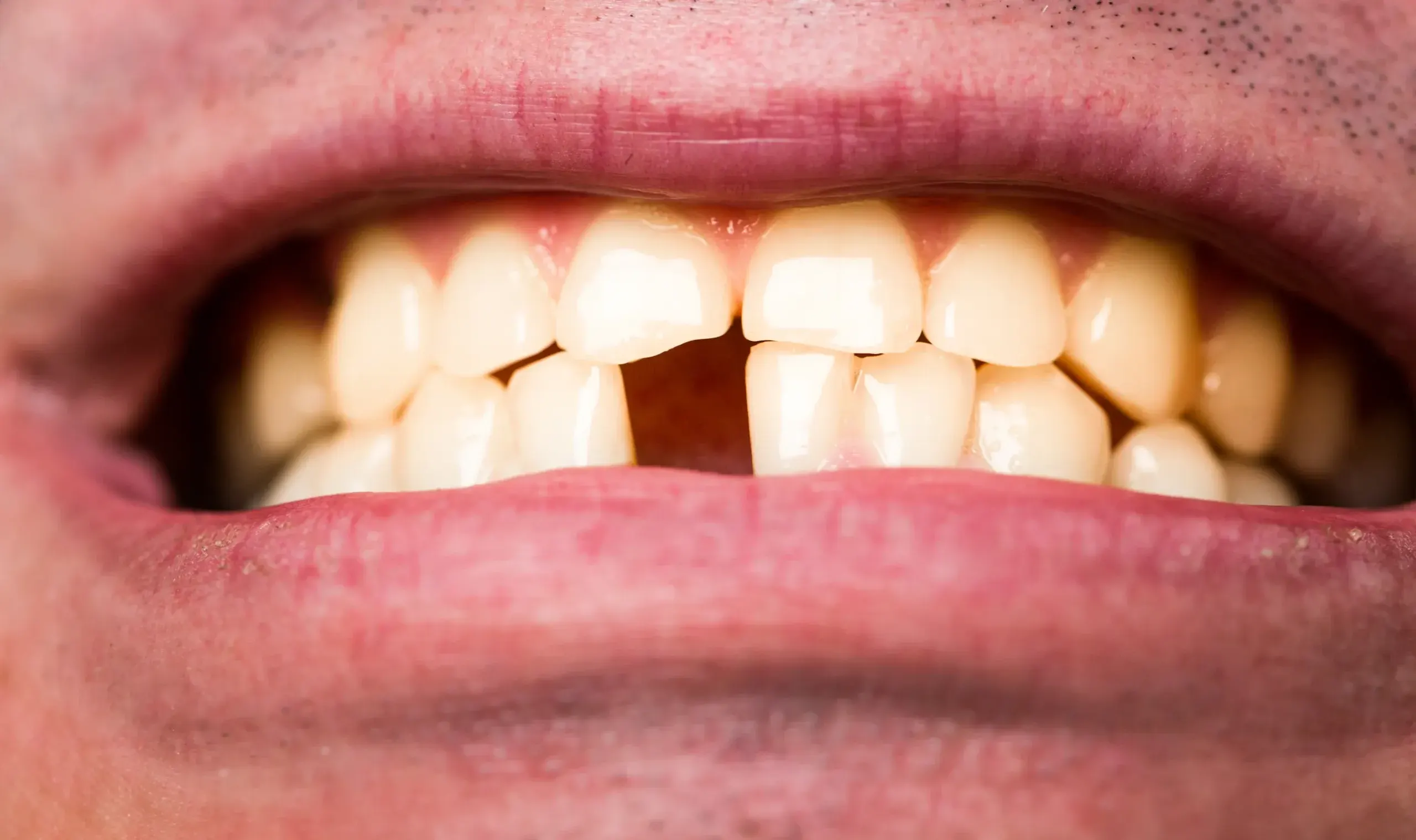
Tooth enamel is the hardest substance in the human body, but it is brittle under sudden impact or prolonged mechanical stress. According to the National Institute of Dental and Craniofacial Research (NIDCR), dental injuries affect millions of Americans annually, with sports injuries, biting hard foods, and untreated decay accounting for the majority of fractures seen in adults.
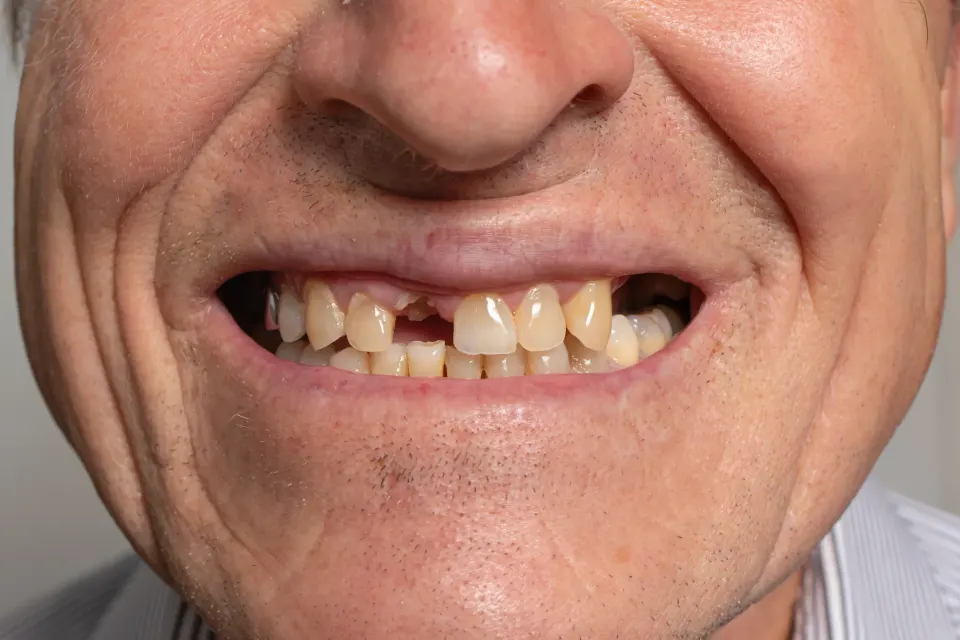
When enamel fractures, the crack can propagate down through the dentin and into the pulp chamber, allowing bacteria to colonize the inner tooth structure. This cascade converts a minor chip into a potential pulp infection within weeks if left untreated, explaining why even small fractures deserve a timely clinical assessment.
Tooth mobility follows a separate but equally serious pathway. Periodontal disease destroys the alveolar bone that anchors each root, and once more than 50% of the surrounding bone is lost, even a structurally intact tooth begins to move. Parafunctional habits like grinding (bruxism) add lateral forces that accelerate bone loss and can loosen teeth that were otherwise periodontally healthy, compounding the problem over time.