
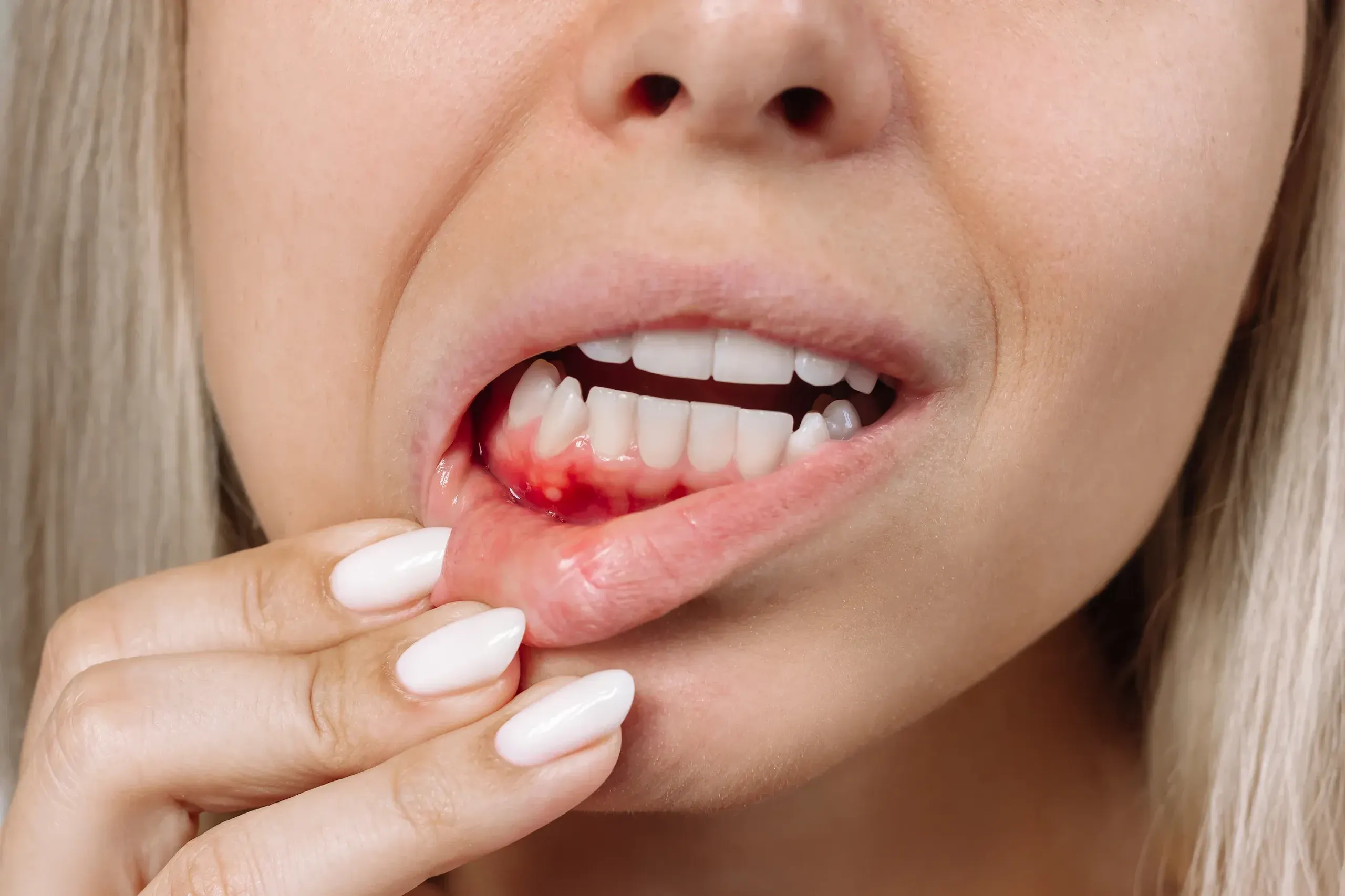


Patient concerned about receding gums at Dental World Longwood Florida

Receding Gums Treatment in Longwood, FL

Protect Your Teeth and Restore Your Smile

Common In:Adults 30+
Primary Causes:Brushing Habits, Gum Disease, Genetics
First Signs:Exposed Root, Sensitivity
Treatment Range:Hygiene Coaching to Grafting Referral
Close-up of receding gum line showing exposed root surfaces at Dental World Longwood

What Are Receding Gums?

Recognizing the Signs

Gingival recession is a condition in which the gum tissue surrounding the teeth migrates apically, or downward, gradually exposing the tooth root below the enamel line. Because exposed root surfaces lack the protective outer enamel coating, they are more vulnerable to sensitivity, decay, and long-term structural damage.

When you look in the mirror and notice your teeth appear longer than they once did, or you feel a sharp twinge when sipping hot coffee or cold water, you may be observing the early signs of receding gums. The gum line shifts slowly over time, often going unnoticed until sensitivity or visible root exposure prompts a closer look.

Many patients describe receding gums as a cosmetic concern first, noticing a darker band near the base of the tooth or an uneven gum line before they feel any discomfort. In reality, the condition affects both appearance and long-term oral health, making early assessment an important step toward protecting your smile.

Diagram illustrating gum recession process at Dental World Longwood Florida

Why Gingival Recession Happens

Understanding the Root Causes

The gum tissue, or gingiva, is anchored to the underlying alveolar bone and is designed to form a tight seal around each tooth. When repeated mechanical forces or bacterial inflammation damage this tissue over time, the gum margin gradually moves toward the root. Studies show that up to 88% of adults over age 65 have recession affecting at least one tooth, but the process often begins in younger adults. According to the American Academy of Periodontology, early intervention significantly improves long-term outcomes for gingival recession.

Aggressive horizontal brushing with stiff bristles is one of the most common mechanical causes. Each brushing stroke applies lateral abrasive force at the gum margin, slowly wearing the tissue away from the root surface over months and years. Patients who brush vigorously often believe they are doing their teeth a favor, yet the cumulative trauma leads to measurable recession.

Chronic periodontal disease compounds the problem through a different pathway: bacterial biofilm triggers an inflammatory response that breaks down the connective tissue and bone supporting the gum. As supporting structures are lost, the gum line collapses, deepening pockets and accelerating further tissue loss in a self-reinforcing cycle.
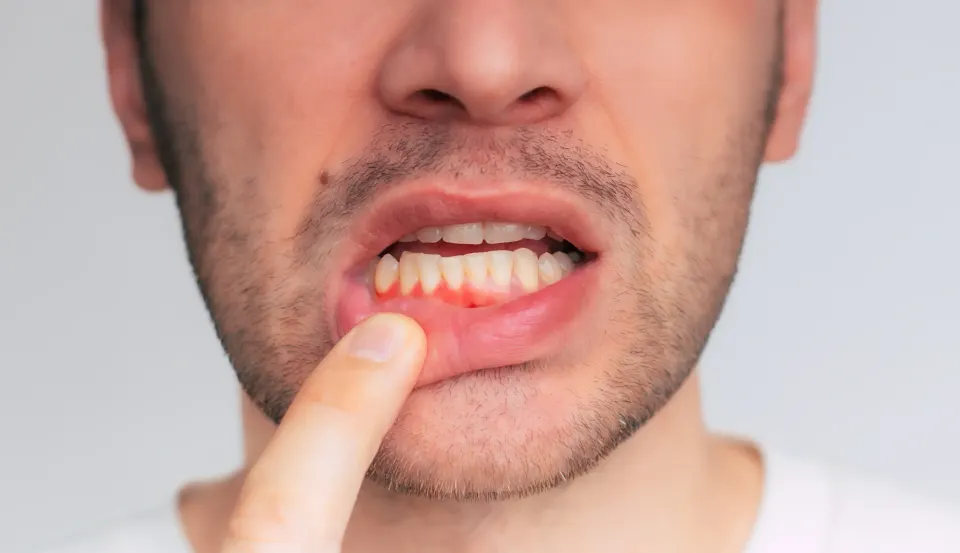
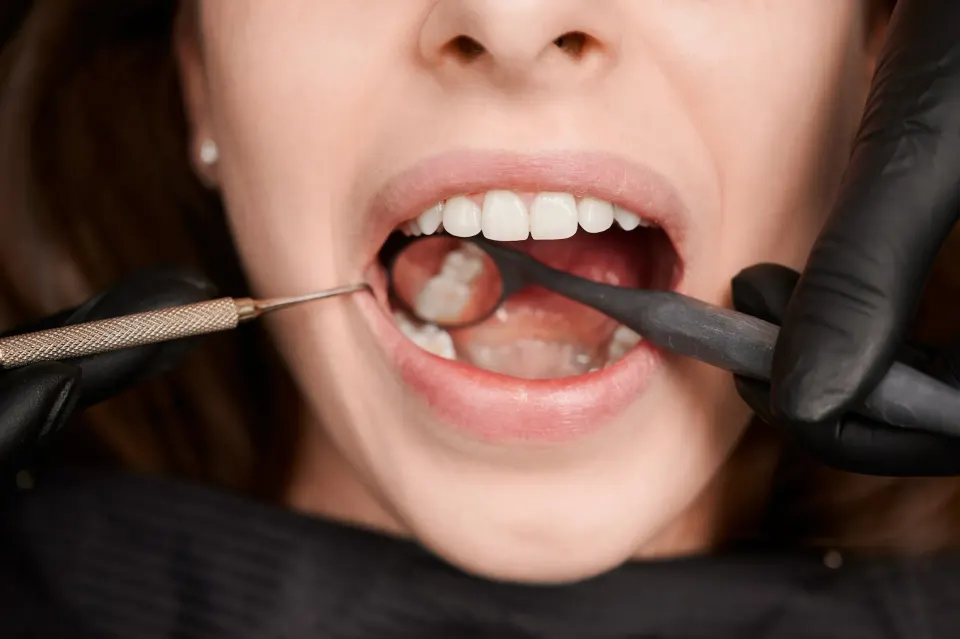
Diagram of thin vs thick gum biotype at Dental World Longwood

Gum Biotype and Brushing Mechanics

How Tissue Thickness Shapes Your Risk

Not everyone is equally susceptible to recession. Periodontists classify gum tissue into thin and thick biotypes based on tissue volume and the width of attached gingiva. Individuals with a thin, scalloped biotype have a narrower band of attached gum and less underlying bone cortex, meaning even moderate mechanical forces or mild inflammation can cause recession where a patient with a thick biotype might show none. Genetics largely determines which biotype you inherit.

The physics of toothbrush abrasion explain why technique matters so much for thin-biotype patients. A stiff-bristle brush moving in a horizontal arc concentrates force along a narrow band at the gum margin, generating a localized abrasion zone called a cervical abfraction. Over time, this repeated stress not only erodes gum tissue but can also create a notched groove at the tooth root, a combination that accelerates recession and root sensitivity simultaneously.

Understanding your biotype allows Dr. Manmode to set realistic expectations and tailor preventive guidance. Patients with a naturally thin gingival biotype benefit from earlier and more frequent monitoring, ultra-soft bristle recommendations, and in some cases referral for a connective tissue graft before recession reaches a critical threshold. Early biotype assessment is one reason a thorough periodontal exam is valuable even when gums appear healthy.

Lifestyle and oral habits affecting gum recession at Dental World Longwood FL

What Accelerates Receding Gums?

Identifying Your Triggers

01

Aggressive Brushing

Horizontal scrubbing with a medium- or hard-bristle brush generates abrasive force directly at the gum margin, gradually wearing tissue away from the root surface with each session.

02

Periodontal Disease

Bacterial plaque triggers chronic inflammation that destroys the connective tissue and bone anchoring the gum, causing the margin to migrate downward as support structures deteriorate.

03

Genetics and Thin Tissue

A thin gingival biotype, largely determined by genetics, provides less tissue volume to withstand mechanical stress or inflammation, making recession more likely even with careful oral hygiene.

04

Tobacco Use

Smoking and smokeless tobacco impair circulation to gum tissue and suppress immune response, reducing the gum's ability to heal and resist the bacterial triggers that drive recession.

05

Bruxism

Clenching or grinding teeth places excessive lateral forces on the cervical region of the tooth, creating stress fractures in the root and adjacent gum tissue that accelerate recession over time.

06

Misaligned Bite Forces

Teeth positioned outside the bony envelope due to crowding or orthodontic movement have less underlying bone support, leaving the overlying gum margin prone to recession.

07

Hormonal Changes

Fluctuations in estrogen and progesterone during puberty, pregnancy, or menopause increase gum tissue sensitivity to bacterial toxins, heightening the inflammatory response and recession risk.

Dental World clinic interior in Longwood Florida

Why Choose Dental World for Receding Gums Care in Longwood, FL

Expert Care in Longwood

  • Comprehensive Periodontal Assessment
  • Personalized Prevention Plans
  • Advanced Oral Pathology Expertise
  • Flexible Financing Options

Treatment Options Comparison

Finding Your Best Approach

Treatment Best For Session Time Results Timeline Maintenance
Deep Cleaning (Scaling and Root Planing) Disease-driven recession with pocketing 60-90 min per quad Tissue stabilization 4-6 weeks Every 3-4 months
Patient noticing signs of receding gums at Dental World Longwood Florida

You May Be Experiencing Receding Gums If...

Recognizing When to Seek Help

  • Longer-Looking Teeth
  • Exposed Root Surfaces
  • Sharp Temperature Sensitivity
  • Sweet Sensitivity
  • Notch at the Gum Line
  • Dark Line at the Margin
  • Teeth Feel Loose

Frequently Asked Questions

About Receding Gums

01 Can receding gums grow back on their own?

Gum tissue does not regenerate on its own once it has receded. However, addressing the underlying cause, whether that is brushing technique, periodontal disease, or bite forces, can stop further progression and preserve the remaining tissue.

02 How do I know if my brushing technique is causing recession?

Signs include recession that is worse on the outer surfaces of the back teeth and the left side of the mouth (if you are right-handed), along with visible wear or a notch at the gum line. Dr. Manmode can assess your brushing pattern during an evaluation.

03 How quickly will I see improvement after treatment?

Switching to an ultra-soft brush and proper technique stops mechanical recession immediately. Sensitivity relief from desensitizing treatments typically develops within one to two weeks. Deep cleaning results in stabilized gum health over four to six weeks.

04 Is gum recession normal as I get older?

Some degree of recession is more common with age, but it is not inevitable. Many older adults maintain stable gum levels with proper care. Recession at any age should be evaluated to determine the cause and prevent progression.

05 Can receding gums lead to tooth loss?

Severe untreated recession can expose enough root surface to undermine the bone support that holds teeth in place. Early intervention dramatically reduces the risk of reaching a stage where mobility or loss becomes a concern.

06 When should I see a dentist about receding gums?

If you notice your teeth looking longer, feel new sensitivity to temperature or sweets, or see a darker area near the gum line, scheduling an evaluation soon is worthwhile. The earlier recession is caught, the more treatment options are available.

07 What can I do at home to slow recession?

Switch to an ADA-accepted ultra-soft bristle brush, use gentle circular strokes rather than horizontal scrubbing, rinse with a fluoride mouthwash, and avoid tobacco. These steps reduce mechanical and bacterial drivers of recession between professional visits.

Location1250 W State Rd 434, STE 1008
Longwood, FL, 32750

Schedule Your Consultation

Scientific References