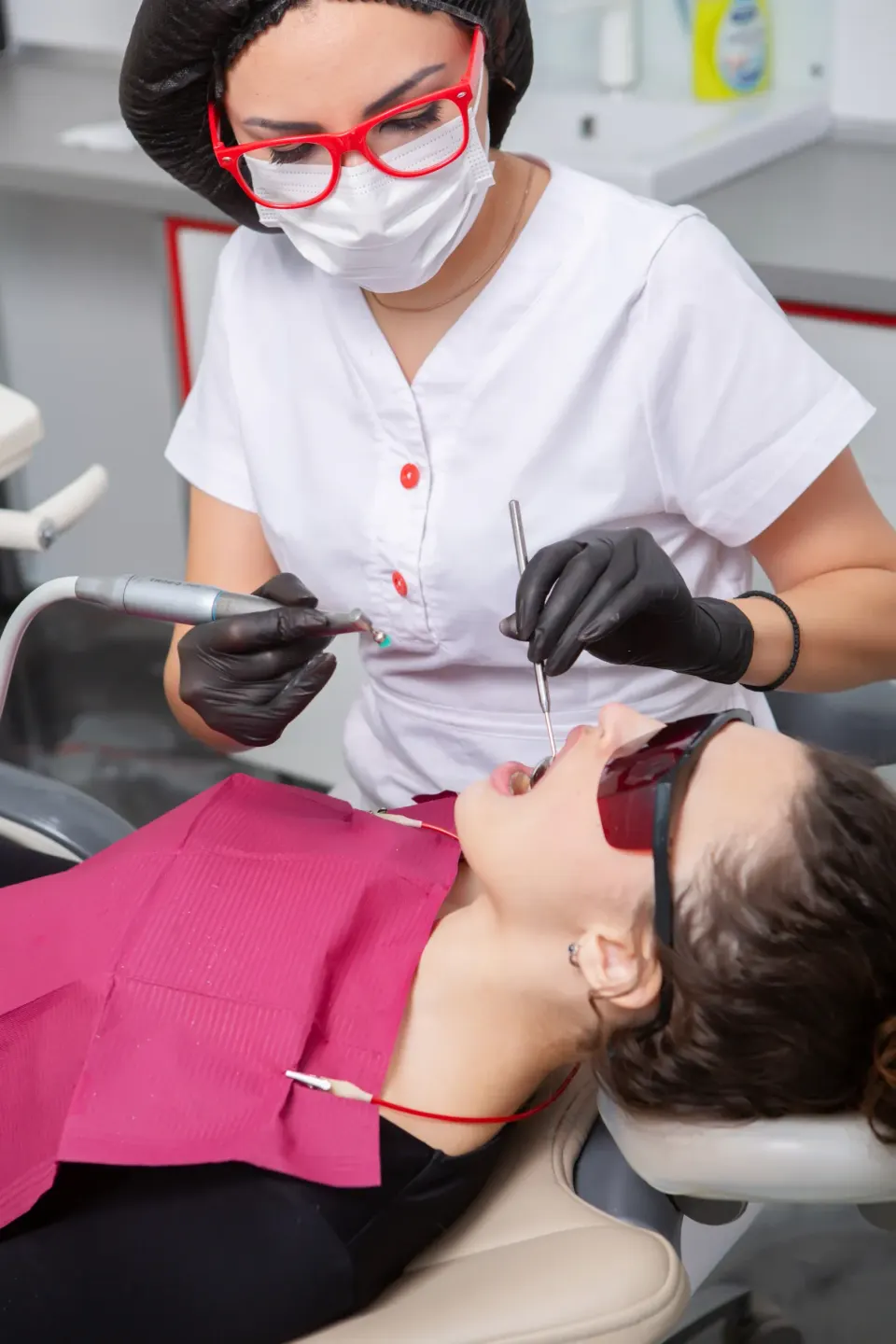
Patient consulting about teeth grinding treatment at Dental World Longwood FL

Teeth Grinding (Bruxism) Treatment in Longwood, FL

Protect Your Smile from Grinding Damage

Common In:Adults 25-50
Primary Causes:Stress, Sleep Disorders, Alignment
Treatment Time:15-30 minutes
Results:Immediate protection
Close-up illustration of teeth grinding effects at Dental World Longwood

What Is Teeth Grinding (Bruxism)?

Recognizing the Signs

Bruxism is a condition characterized by involuntary clenching or grinding of the teeth, often occurring during sleep or periods of intense concentration. It affects an estimated 22% of the adult population and can involve forces up to 250 pounds of pressure per square inch on the tooth surfaces.

When you wake up with a sore jaw, dull headache, or teeth that feel sensitive for no apparent reason, you may be experiencing the effects of nighttime grinding. Many patients are unaware they grind their teeth until a dental professional identifies the telltale wear patterns during a routine exam.

Over time, untreated bruxism can lead to significant dental damage, jaw pain, and disrupted sleep that affects your daily quality of life. Understanding this condition is the first step toward finding effective relief and protecting your oral health.

Diagram showing jaw muscle mechanics and bruxism causes at Dental World Longwood

Why Teeth Grinding Happens

Understanding the Root Causes

Bruxism originates from a complex interaction between the central nervous system, jaw muscles, and tooth alignment. During sleep, the brain cycles through stages of arousal where the masseter muscle, one of the strongest muscles in the body, can generate forces exceeding 250 pounds per square inch, far beyond normal chewing pressure of approximately 20 to 40 pounds.

These involuntary muscle contractions are often triggered by micro-arousals during sleep, brief shifts from deeper to lighter sleep stages that activate the trigeminal nerve pathway. Research shows that stressed adults are approximately two times more likely to develop bruxism, as elevated cortisol levels directly influence nighttime jaw muscle activity.

An improperly aligned bite, or malocclusion, creates uneven contact points between the upper and lower teeth. When these surfaces do not meet evenly, the jaw muscles compensate by clenching or shifting, which can initiate or worsen grinding patterns over time.

Illustration of tooth enamel wear from grinding at Dental World Longwood FL

Tooth Wear and Structural Damage

How Grinding Affects Your Teeth Over Time

The enamel covering your teeth is the hardest substance in the human body, yet it is only about 2.5 millimeters thick on the chewing surfaces. Chronic grinding gradually wears through this protective layer, exposing the softer dentin underneath. Once dentin is exposed, sensitivity increases and the tooth becomes vulnerable to decay and fracture.

Repeated clenching forces do not just wear tooth surfaces, they can create microscopic fractures known as craze lines that weaken tooth structure from within. Over years of untreated bruxism, these micro-cracks can propagate into full fractures, potentially requiring crowns or even extraction to address the damage.

The temporomandibular joint, which connects your jawbone to your skull, absorbs tremendous stress during grinding episodes. Chronic overloading of this joint can lead to TMJ dysfunction, disc displacement, and inflammation that extends pain into the ears, temples, and neck muscles.

Lifestyle factors contributing to teeth grinding at Dental World Longwood

What Accelerates Teeth Grinding?

Identifying Your Triggers

01

Stress and Anxiety

Emotional stress is the most common trigger for bruxism, with research showing that stressed adults are over two times more likely to grind their teeth during sleep.

02

Sleep Disorders

Obstructive sleep apnea and other sleep-disordered breathing conditions are closely linked to bruxism, with approximately 50% of sleep apnea patients also grinding their teeth.

03

Bite Misalignment

Crooked teeth, missing teeth, or an uneven bite create irregular contact points that can trigger the jaw muscles to clench and shift during rest.

04

Lifestyle Habits

Excessive caffeine or alcohol consumption, tobacco use, and certain medications including antidepressants can increase the frequency and intensity of grinding episodes.

05

Genetics

Studies of twins show significantly higher concordance of sleep bruxism in identical twins, suggesting a hereditary component in many cases.

Dental World clinic interior in Longwood Florida

Why Choose Dental World

Expert Care in Longwood

  • Comprehensive Assessment
  • Custom Night Guards
  • Sleep Disorder Screening
  • Restorative Solutions

Treatment Options Comparison

Finding Your Best Approach

Treatment Best For Session Time Results Timeline Maintenance
Sleep Apnea Treatment Grinding linked to sleep apnea 30-45 min fitting 2-4 weeks adjustment Annual checkup
Dental Crowns Restoring worn teeth 60-90 min per tooth Same day to 2 weeks Every 10-15 years
Dental Cleanings & Exams Early detection and monitoring 45-60 min Ongoing prevention Every 6 months
Person experiencing jaw pain from teeth grinding at Dental World Longwood

You May Be Experiencing Bruxism If...

Recognizing When to Seek Help

  • Morning Jaw Soreness
  • Unexplained Headaches
  • Worn or Flattened Teeth
  • Tooth Sensitivity
  • Sleep Disruption
  • Cheek or Tongue Damage

Frequently Asked Questions

About Teeth Grinding (Bruxism)

01 How do I know if I grind my teeth at night?

Common signs include waking with jaw soreness, morning headaches, or tooth sensitivity. Your partner may hear grinding sounds during the night. During a dental cleaning and exam, Dr. Manmode can identify characteristic wear patterns on your teeth that confirm bruxism.

02 Can teeth grinding cause permanent damage to my teeth?

Yes, chronic bruxism can wear through enamel, crack teeth, and damage existing dental work. Early intervention with a custom night guard helps prevent this damage. For teeth already affected, dental crowns can restore their strength and appearance.

03 Is teeth grinding related to sleep apnea?

Research shows that approximately 50% of patients with obstructive sleep apnea also experience bruxism. The two conditions share common triggers related to airway disruption during sleep. We offer sleep apnea treatment with oral appliance therapy that may address both conditions.

04 What is a custom night guard, and how does it help?

A custom night guard is a dental appliance made from precise impressions of your teeth. It creates a protective barrier between your upper and lower teeth, distributing grinding forces evenly and preventing direct tooth-to-tooth contact during sleep.

05 Can stress cause teeth grinding?

Stress is one of the most significant triggers for bruxism. Studies show that stressed adults are over two times more likely to grind their teeth. Managing stress through relaxation techniques, exercise, and adequate sleep can help reduce grinding episodes alongside dental treatment.

06 How quickly will I see improvement with treatment?

Many patients notice reduced jaw soreness and improved sleep within the first week of wearing a custom night guard. Full adjustment typically takes two to four weeks as your jaw muscles adapt to the new positioning during sleep.

07 What can I do at home to reduce teeth grinding?

Avoid caffeine and alcohol before bed, practice jaw relaxation exercises, and apply a warm compress to your jaw before sleep. While these habits help, they typically work best in combination with professional treatment for lasting relief.

Location1250 W State Rd 434, STE 1008
Longwood, FL, 32750

Schedule Your Consultation

Scientific References