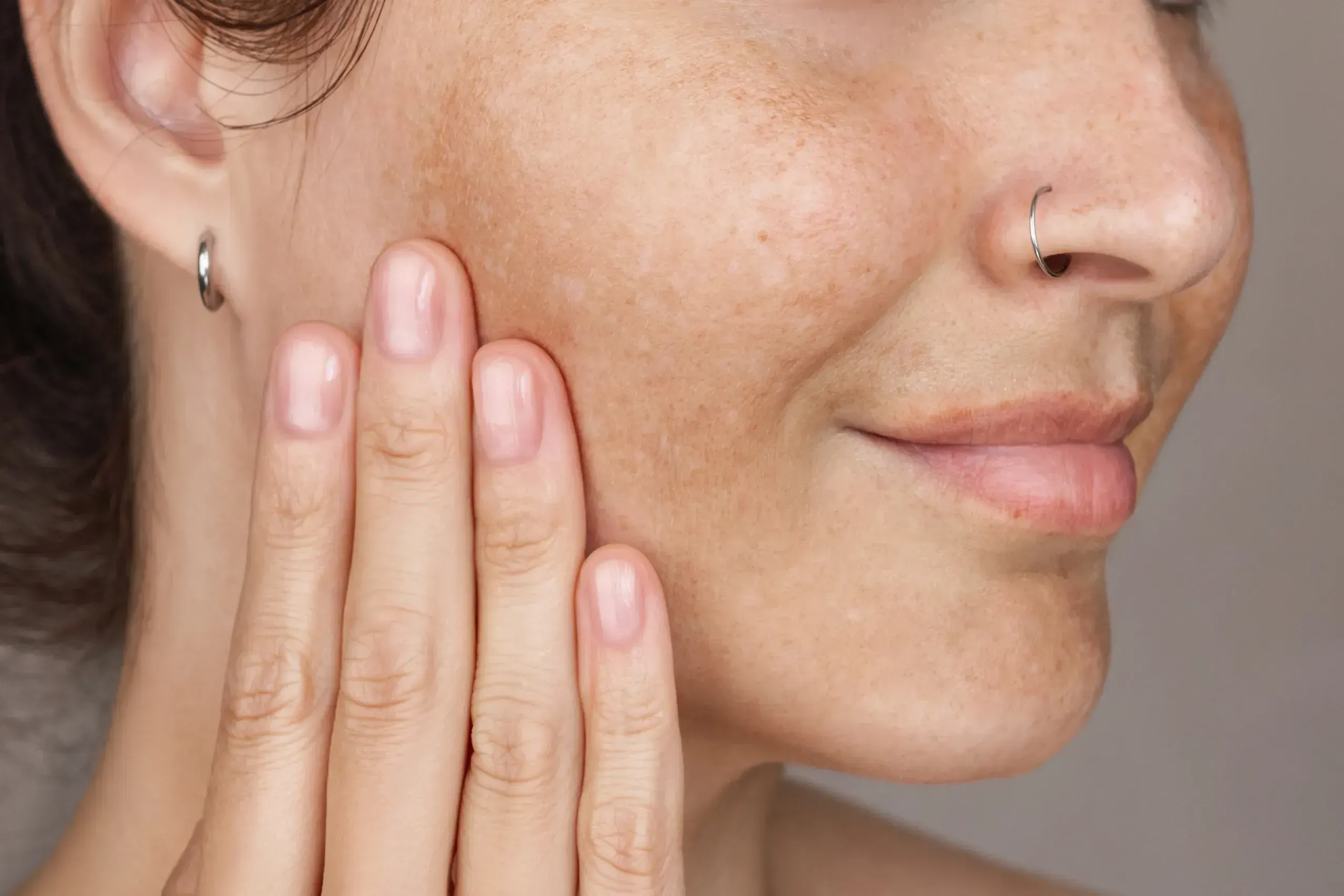

Woman with uneven skin texture seeking facial esthetic care at Dental World Longwood FL

Uneven Skin Texture Treatment in Longwood, FL

Reveal Smoother, More Radiant Skin

Common In:Adults 25+
Primary Causes:Aging, Sun Damage, Acne Scarring
Treatment Time:30-60 minutes per session
Results:2-6 weeks post-treatment
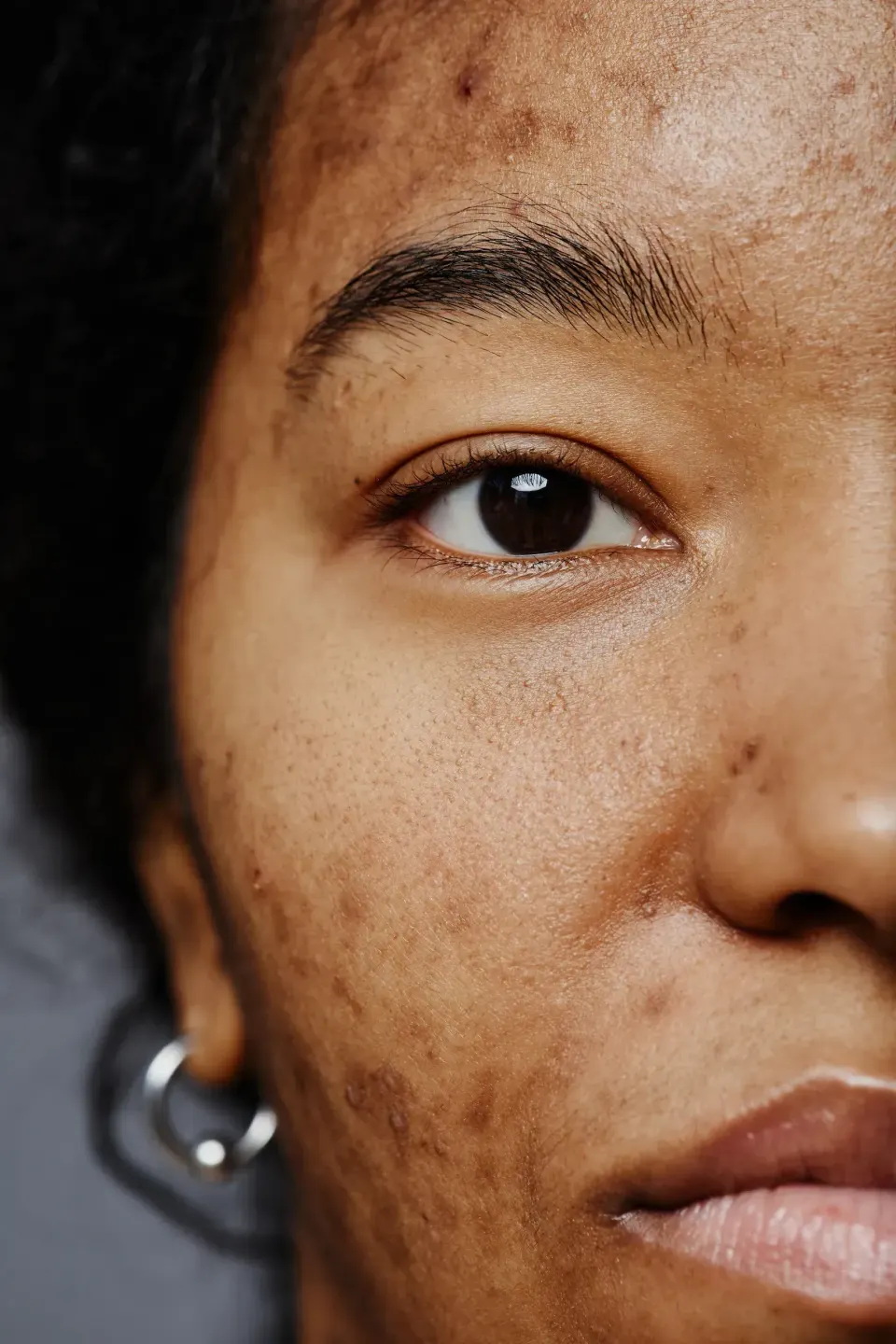
Close-up of uneven skin texture including enlarged pores and acne scarring at Dental World Longwood

What Is Uneven Skin Texture?

Recognizing the Signs

Uneven skin texture is a broad category of surface irregularities that share one defining characteristic: the skin's surface fails to reflect light evenly, creating an appearance the eye reads as dull, rough, or "off." This group includes enlarged pores, acne scarring (ice-pick, boxcar, and rolling types), post-inflammatory hyperpigmentation patches, sun-damage roughness, persistent flaking, and general dullness caused by retained dead cells.

When you look in the mirror and notice that your skin lacks a smooth, continuous surface - that it looks bumpy in certain light, or that old acne scars cast tiny shadows - you are seeing the result of irregular light reflection. Unlike fine lines, which have a clear depth, uneven texture often feels as much as it looks: a roughness under your fingertips that moisturizer alone never seems to resolve.

Many patients describe feeling frustrated that their skin still "looks like it has acne" long after breakouts are gone, or that no amount of primer creates a smooth canvas. These are valid, common experiences shared by people of all skin types and ages. Understanding the underlying mechanisms makes it possible to address the texture at its source rather than masking it.

Illustration of skin cellular turnover process affecting texture at Dental World Longwood FL

Why Uneven Skin Texture Happens

Understanding the Root Causes

Healthy skin renews itself in approximately 28 days during youth: cells migrate from the basal layer to the surface, shed naturally, and expose the fresh, smooth cells beneath. By mid-life, this cycle stretches to 45-60 days. Dead cells accumulate on the surface longer than intended, creating a rough, uneven layer that scatters light instead of reflecting it uniformly. The American Academy of Dermatology identifies slowed cellular turnover as a primary driver of age-related texture changes.

Photoaging compounds the problem significantly. Ultraviolet radiation breaks down collagen and elastin in the dermis, causing the skin's underlying framework to weaken and the surface to grow uneven. UV exposure also triggers melanocyte overactivity, producing the patchy post-inflammatory pigmentation that follows acne and sun damage. The stratum corneum - the outermost cell layer - thickens and becomes rougher as repair mechanisms slow.

Past inflammatory acne creates its own lasting texture problem. When a breakout damages the dermis deeply enough, the wound-healing process deposits collagen in a disorganized pattern, forming atrophic (depressed) scars such as ice-pick craters, boxcar depressions, and rolling irregularities. These structural deficits are not removed by topical products alone because the collagen architecture beneath the surface must be remodeled, not just smoothed over.
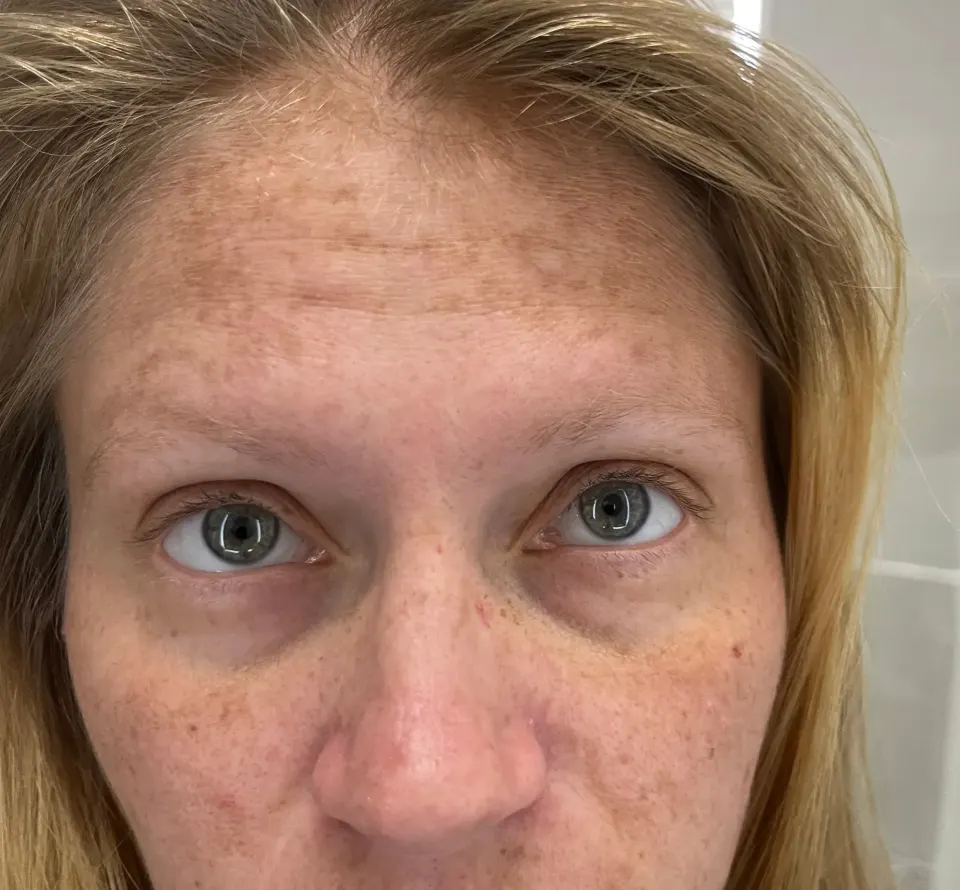
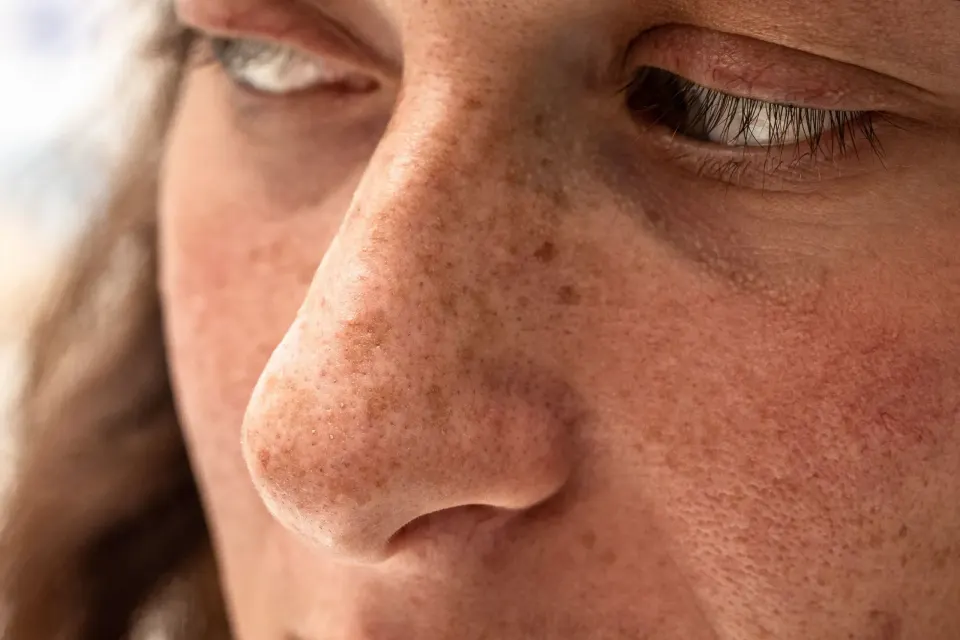
Diagram showing cellular renewal and surface optics at Dental World Longwood FL

Cellular Turnover and Surface Optics

How Slowed Renewal Changes What You See

The epidermis is a dynamic, self-renewing organ. Keratinocytes are born in the basal layer and spend roughly four weeks migrating upward, flattening, losing their nuclei, and eventually shedding as corneocytes (dead surface cells). When this process is efficient, the outermost layer is thin and organized - catching light uniformly and giving skin its characteristic glow. When turnover slows, corneocytes pile up in an irregular, overlapping pattern that behaves more like a crumpled surface than a flat one, scattering light in every direction.

Advanced glycation end products (AGEs) accelerate this deterioration. AGEs form when sugars bind to collagen and elastin fibers, cross-linking them and making the structural matrix stiff and less able to support smooth surface contours. Sun exposure and high-glycemic diets both accelerate AGE formation. The result is a dermis that cannot adequately support the epidermis from beneath, contributing to the subtle hollowing and shadow-casting effect of atrophic acne scars and enlarged pores.

Dehydration is a compounding factor that worsens texture at the surface level. When the skin's natural moisturizing factors are depleted, corneocytes contract and the surface looks more crepey and irregular even before any structural damage is present. Seasonal changes, low humidity environments, and aggressive cleansing routines all disrupt the stratum corneum's water-retention capacity, making existing texture irregularities more visible and adding new ones over time.

Lifestyle and environmental factors affecting skin texture at Dental World Longwood FL

What Accelerates Uneven Skin Texture?

Identifying Your Triggers

01

Slowed Cellular Turnover

As we age, the skin's renewal cycle extends from 28 days to 45-60 days, allowing dead cells to accumulate on the surface and create a rough, light-scattering layer.

02

Sun Damage

Chronic UV exposure breaks down collagen and elastin, thickens the stratum corneum, and triggers excess melanin production that appears as rough, pigmented patches.

03

Past Acne and Inflammation

Deep inflammatory acne leaves atrophic scars (ice-pick, boxcar, rolling) when the wound-healing process deposits disorganized collagen in the damaged dermis.

04

Genetics

Skin type, pore size, and the tendency to scar are partly inherited, meaning some individuals are predisposed to more pronounced texture irregularities regardless of skincare habits.

05

Dehydration

When the skin's natural moisturizing factors are depleted by low humidity, harsh cleansers, or inadequate water intake, corneocytes contract and surface texture worsens visibly.

06

Aggressive Skincare Practices

Over-exfoliation, high-alcohol products, and abrasive scrubs damage the skin barrier, triggering inflammation that paradoxically increases post-inflammatory marks and roughness.

Dental World clinic interior in Longwood Florida

Why Choose Dental World for Uneven Skin Texture Care in Longwood, FL

Expert Care in Longwood

  • Comprehensive Assessment
  • Personalized Treatment Plans
  • Advanced Technologies
  • Accessible Financing

Treatment Options Comparison

Finding Your Best Approach

Treatment Best For Session Time Results Timeline Maintenance
Exion Face Fine lines, laxity, dull/uneven texture 20 - 30 min Visible after 2 - 3 sessions; peaks at 3 months 1 session every 3 - 6 months
Emface Sagging brows, flat cheeks, facial laxity 20 min Gradual over 90 days post-series 1 session every 6 - 12 months
Person examining skin texture concerns at Dental World Longwood FL

You May Be Experiencing Uneven Skin Texture If...

Recognizing When to Seek Help

  • Pores Visible in Photos
  • Rough Patches You Can Feel
  • Old Acne Scars
  • Dull Complexion Products Cannot Fix
  • Makeup That Will Not Sit Smooth
  • Sun-Damaged-Looking Texture

Frequently Asked Questions

About Uneven Skin Texture

01 Can uneven skin texture be prevented from getting worse?

Consistent daily sunscreen use (SPF 30 or higher), medical-grade topical retinoids, and gentle exfoliation can significantly slow the accumulation of surface irregularities. However, existing atrophic acne scars and structural texture changes typically require professional treatment to improve, as topical products cannot remodel the dermis.

02 How do I know whether RF microneedling or a chemical peel is right for my texture concerns?

A professional assessment at Dental World evaluates your skin's scar depth, pore size, and degree of surface roughness. Generally, RF microneedling is most effective for atrophic acne scars and enlarged pores that involve a structural component, while chemical exfoliation works better for surface roughness, mild pigmentation, and general dullness.

03 How quickly will I see improvement after treatment?

Many patients notice smoother surface texture within one to two weeks following a chemical exfoliation session. Collagen-stimulating treatments like RF microneedling typically show initial results at four to six weeks, with continued improvement over three to six months as new collagen matures beneath the surface.

04 Is it normal for skin texture to worsen with age even with a good skincare routine?

Yes. The cellular turnover slowdown that begins in the mid-20s and continues through life is a biological process that skincare products can influence but not halt entirely. Even patients with consistent, well-chosen routines typically benefit from periodic professional treatments to maintain smooth texture as they age.

05 Does Florida's sun exposure make texture concerns worse?

Significantly, yes. The year-round UV intensity in Central Florida accelerates photoaging, collagen breakdown, and post-inflammatory pigmentation. Patients in Longwood and surrounding areas often benefit from more frequent maintenance treatments and medical-grade sun protection as part of any texture improvement plan.

06 What can I do at home between professional treatments to maintain results?

Dr. Manmode typically recommends a medical-grade regimen including a gentle cleanser, a retinoid or retinol product to support cellular turnover, a broad-spectrum SPF 30+ sunscreen every morning, and a non-comedogenic moisturizer. Avoiding abrasive scrubs between sessions helps preserve the treated surface.

07 Can multiple treatments be combined for better results?

Yes, and combination approaches often outperform single-modality treatment for complex texture concerns. Many patients benefit from RF microneedling for structural scar correction paired with medical-grade skincare for ongoing surface maintenance and pigmentation management. Dr. Manmode will recommend the appropriate sequence based on your skin's response.

08 When should I seek professional help for skin texture rather than continuing with over-the-counter products?

If you have been consistent with over-the-counter products for three or more months without meaningful improvement, or if you have atrophic acne scars, significantly enlarged pores, or rough texture that affects how your makeup sits, a professional consultation can determine whether a treatment-level intervention would benefit you.

Location1250 W State Rd 434, STE 1008
Longwood, FL, 32750

Schedule Your Consultation

Scientific References