Diagnosis
Dr. Manmode examines the tooth and takes digital X-rays to assess the extent of infection and plan your treatment.

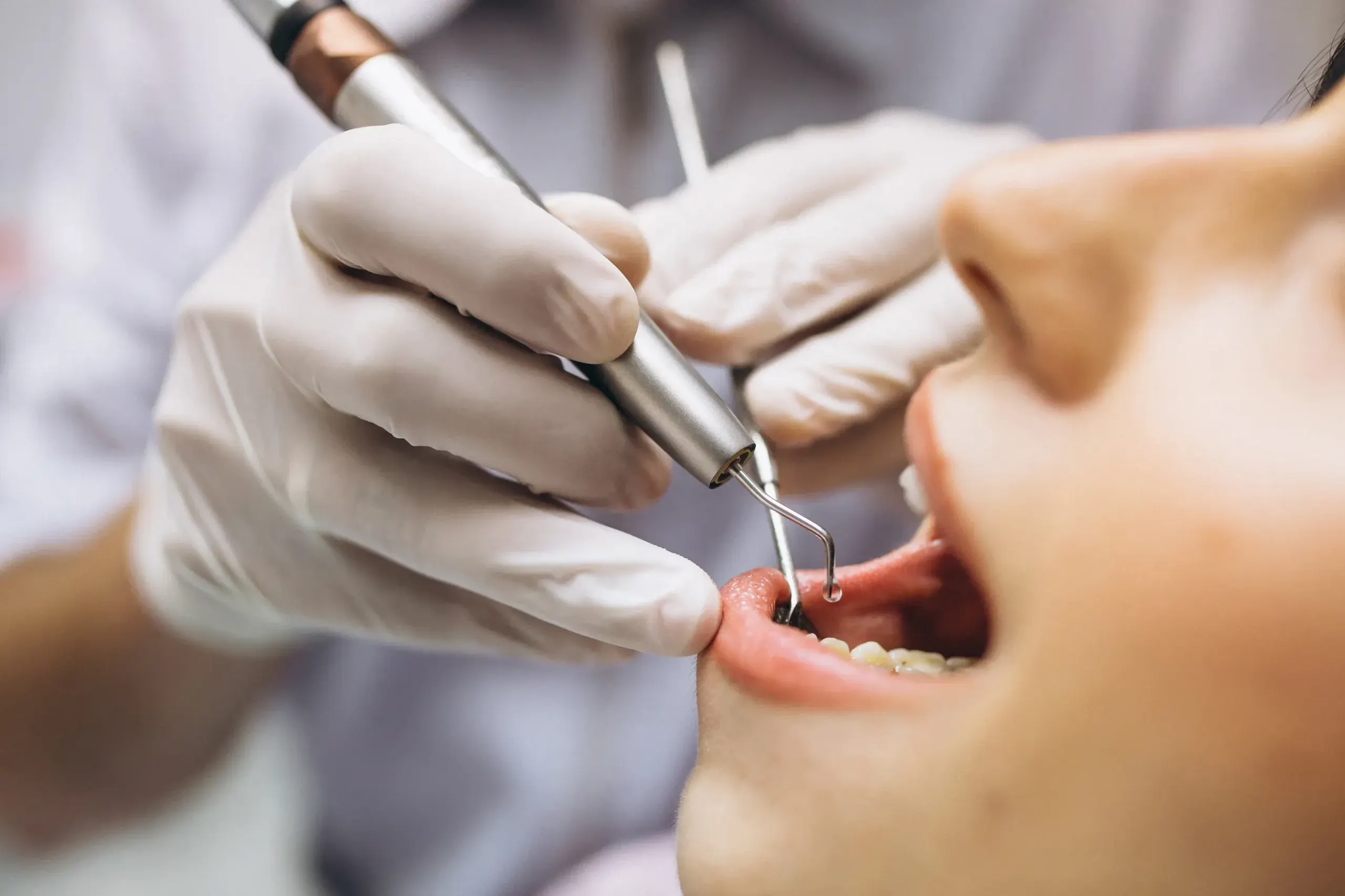
Modern, comfortable endodontic care that relieves pain and preserves your smile for years to come.
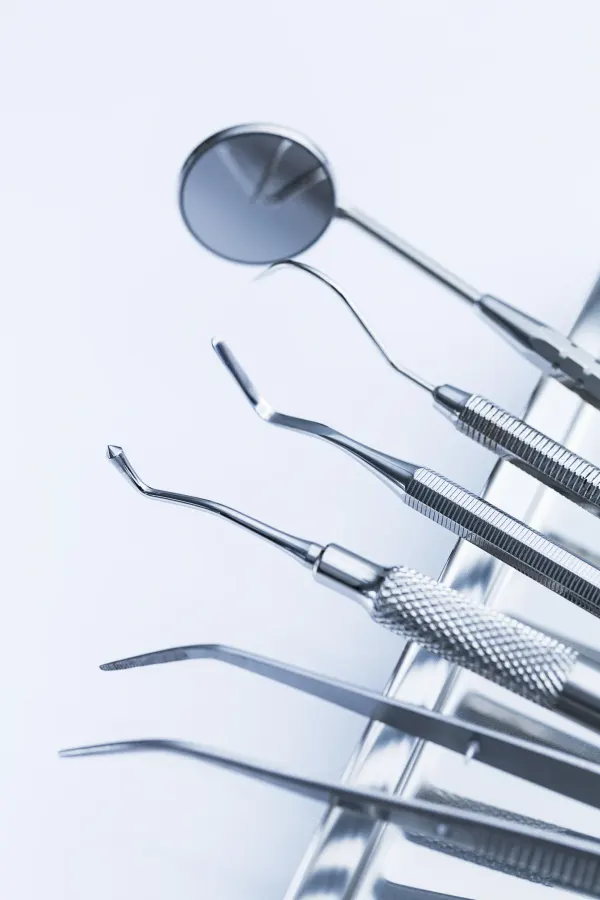
Understanding Pulp Infection
A toothache that lingers after eating or drinking, sensitivity that won't go away, or a dull throbbing that keeps you up at night can all point to infection deep inside your tooth. When bacteria reach the pulp - the soft tissue containing nerves and blood vessels - the pain can become constant and debilitating. Many patients find themselves avoiding certain foods, losing sleep, or relying on over-the-counter painkillers just to get through the day. Left untreated, an infected tooth can lead to an abscess, bone loss, and eventually tooth loss.
Root canal treatment addresses the source of your pain by carefully removing the infected pulp tissue, thoroughly cleaning and disinfecting the inner chamber, and sealing the tooth to prevent future infection. The procedure effectively eliminates pain while preserving your natural tooth structure. After treatment, a dental crown restores full strength and function, allowing you to eat, speak, and smile with confidence again. Modern techniques and local anesthesia make the experience comfortable - most patients compare it to having a routine filling.
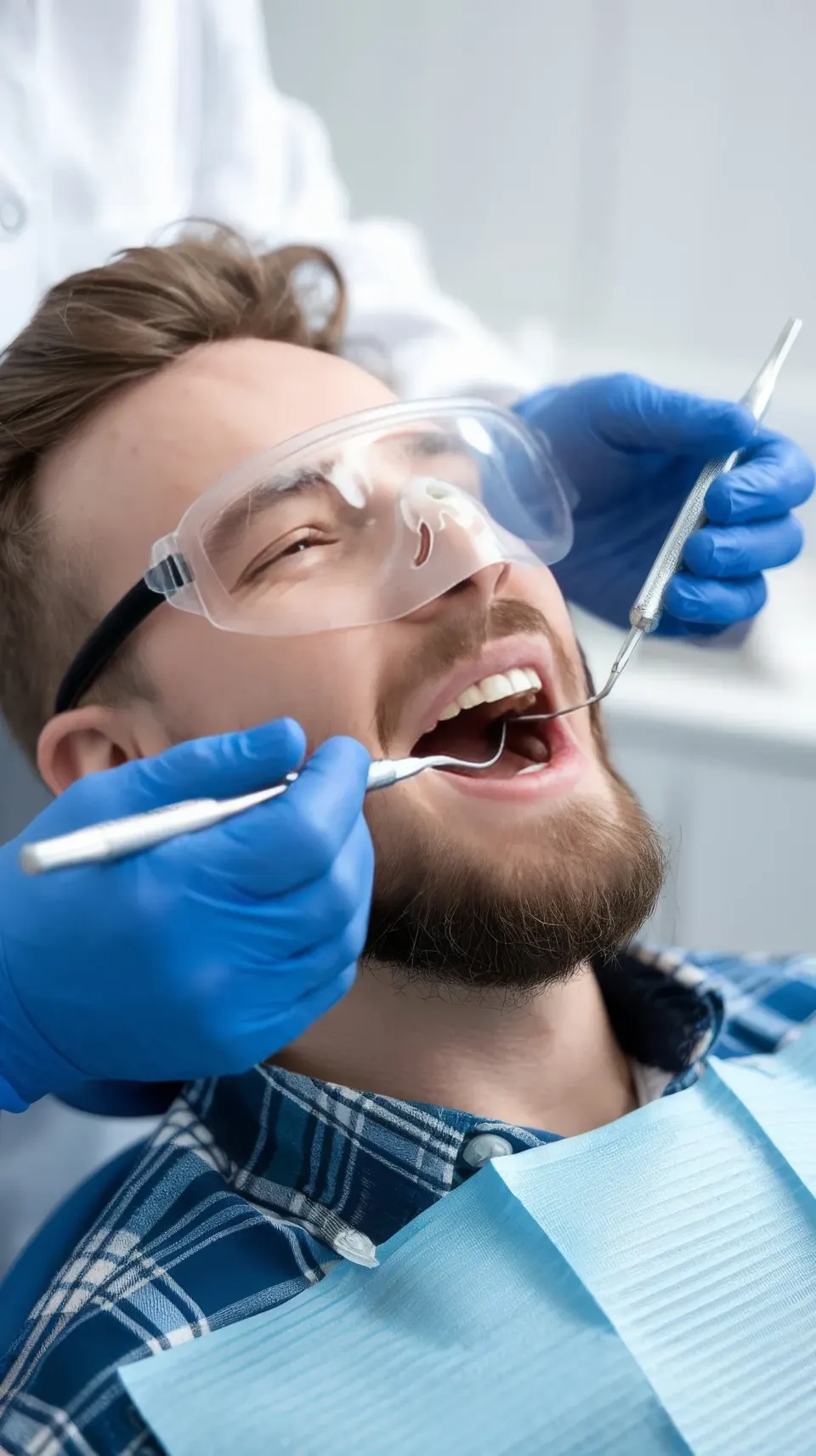
Saving Your Natural Tooth
Root canal treatment is recommended for patients experiencing symptoms of pulp infection or damage who want to preserve their natural tooth rather than have it extracted.
During your consultation, Dr. Manmode will evaluate your tooth with a thorough examination and digital X-rays to determine whether root canal treatment is the right option for you.
Save Your Natural Smile

Saves your natural tooth instead of extracting and replacing it
Eliminates the source of infection and stops persistent tooth pain
Treated tooth looks and functions just like your other teeth
Often less expensive than extraction followed by implant or bridge
Over 95% success rate with proper restoration and follow-up care
Root canal treatment in the Longwood and Central Florida area typically ranges from $700 to $1,500 per tooth, depending on which tooth is being treated. Front teeth (incisors) are generally less complex and fall at the lower end of the range, while molars with multiple root canals require more time and typically cost more. A dental crown, recommended after most root canal procedures, adds approximately $1,000 to $1,500 to the total investment. Your exact cost will be discussed during your consultation based on your individual treatment plan.
Most dental insurance plans cover a significant portion of root canal treatment as a major restorative procedure. Our team will verify your benefits and provide a clear estimate of your out-of-pocket cost before treatment begins.
<Dental World believes everyone deserves access to quality tooth replacement. We offer multiple financing solutions to fit your budget:
Many dental insurance plans now provide partial coverage for specialized treatments. Our team will help you understand your benefits and maximize your coverage. Contact us at (407) 830-4401 to discuss your options.
Compare Your Options
| Treatment | Mechanism | Time | Results | Duration | Downtime | Best For |
|---|---|---|---|---|---|---|
| Root Canal Treatment | Removes infected pulp | 60-90 min | Saves natural tooth | Lifetime with crown | 1-2 days | Infected or damaged teeth |
| Tooth Extraction | Removes entire tooth | 30-60 min | Eliminates infection | Permanent loss | 1-2 weeks | Severely damaged teeth |
| Antibiotics Only | Reduces bacteria | 7-10 day course | Temporary relief | Weeks to months | None | Short-term pain management |
Dr. Manmode examines the tooth and takes digital X-rays to assess the extent of infection and plan your treatment.
Sheetal administers local anesthesia to completely numb the area, ensuring you feel no pain during the procedure.
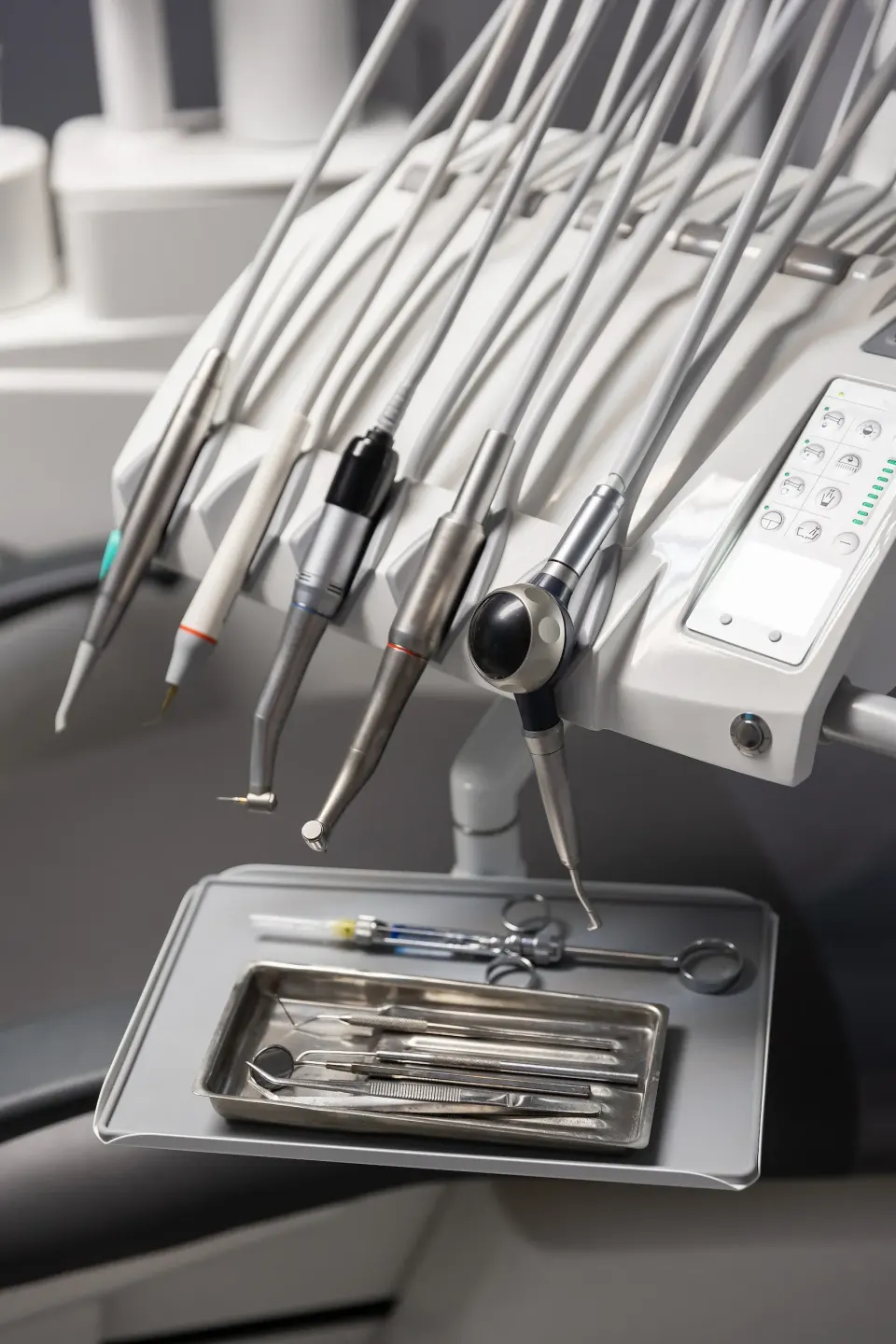
Using precision rotary instruments, Sheetal carefully removes all infected pulp tissue from the tooth's inner chamber and root canals.
The cleaned canals are shaped, irrigated with antimicrobial solution, and sealed with biocompatible gutta-percha material.
A temporary filling is placed, and you return for a custom dental crown that restores full strength and natural appearance.
What to Know
Mild to moderate soreness around the treated tooth is normal and typically resolves within two to three days. Temporary sensitivity when biting or chewing may occur as tissues heal. Minor swelling or tenderness in the gum tissue near the treatment site usually subsides within 48 hours. Over-the-counter anti-inflammatory medication is usually sufficient for comfort.
In fewer than 5% of cases, a root canal may not fully resolve the infection, requiring retreatment or apicoectomy (surgical root-end procedure). Instrument separation within the canal is rare with modern nickel-titanium rotary files. Perforation of the root during treatment is uncommon and can typically be repaired immediately.
Root canal treatment is one of the most commonly performed dental procedures, with the American Association of Endodontists reporting that over 15 million root canals are performed annually in the United States. Dr. Manmode follows all AAE clinical guidelines and uses sterile, single-use instruments to ensure the highest standard of safety for every patient.
Your Questions Answered
Modern root canal treatment is performed under local anesthesia, and most patients report feeling little to no pain during the procedure. Dr. Manmode uses gentle techniques to ensure your comfort throughout. Many patients say it feels similar to getting a dental filling.
A typical root canal appointment takes 60 to 90 minutes. Front teeth with a single canal may be completed more quickly, while molars with multiple canals may take longer. Most root canals at Dental World are completed in a single visit.
In most cases, yes. A dental crown protects the treated tooth and restores its full strength for biting and chewing. We offer custom crowns right here at Dental World so your care stays under one roof.
Whenever possible, saving your natural tooth is the preferred option. A root canal preserves your bite alignment and avoids the need for replacement options like dental implants or bridges. Extraction may be recommended only when the tooth cannot be saved.
Most patients return to normal activities the same day or the next day. Mild soreness near the treated tooth typically resolves within two to three days and can be managed with over-the-counter pain medication.
Root canal treatment in the Longwood area ranges from $700 to $1,500 per tooth depending on complexity. Most dental insurance plans cover a portion of the cost. We also offer flexible financing through CareCredit, Cherry Finance, and other providers.
Yes. After your root canal, Dr. Manmode may recommend a dental crown to restore the tooth, or dental fillings for other teeth that need attention. We can create a comprehensive treatment plan to address all your dental needs efficiently.
Longwood's Trusted Provider
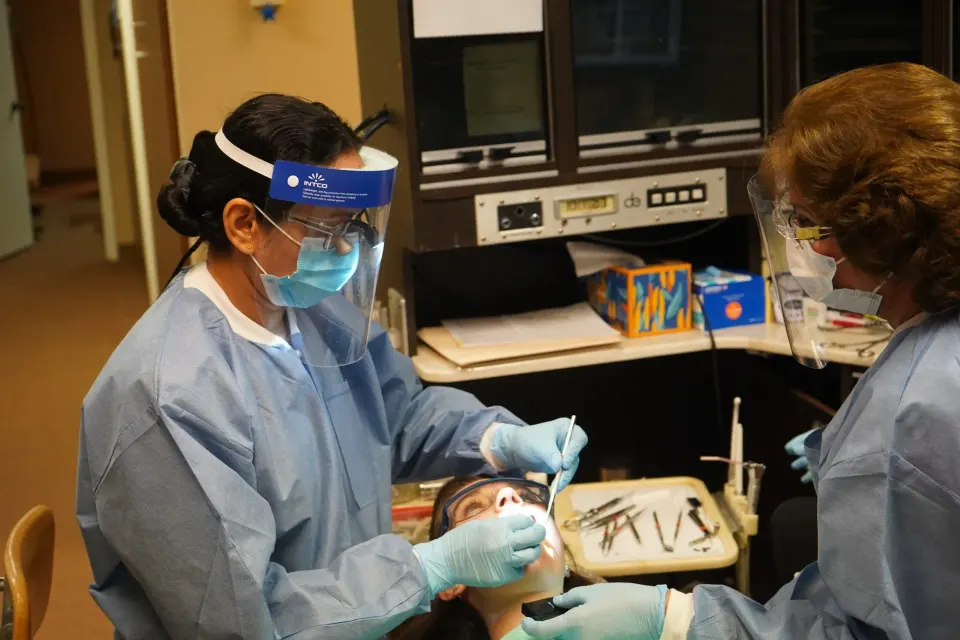
Nearly 20 years of clinical expertise in endodontic procedures
Compassionate care designed to ease dental anxiety and ensure comfort
Advanced rotary instruments and digital imaging for precise treatment
In-house crowns and follow-up so everything is handled under one roof
The Science of Endodontic Therapy
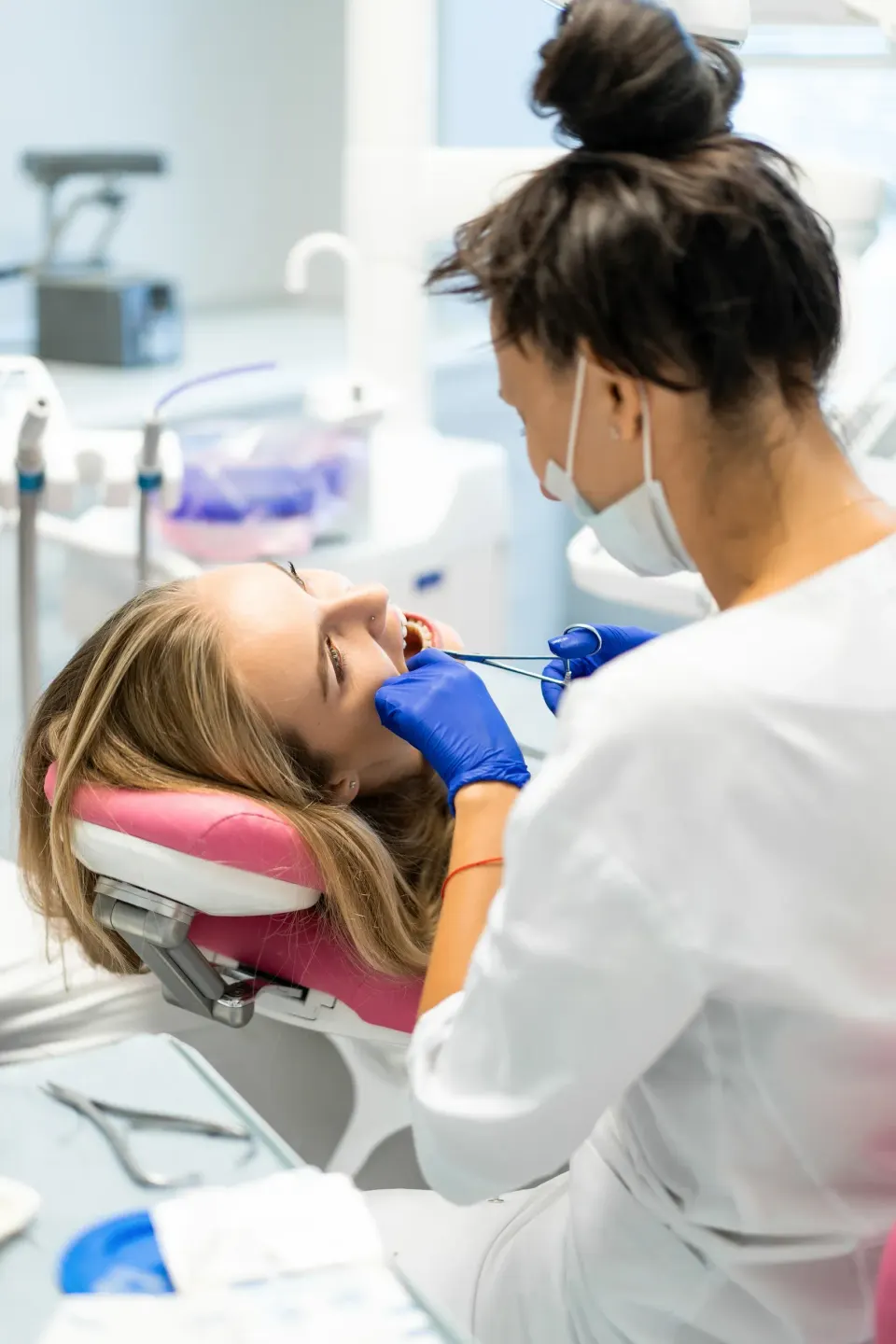
Root canal treatment, also known as endodontic therapy, is a dental procedure that removes infected or damaged pulp tissue from inside a tooth. The pulp is the soft inner core containing nerves, blood vessels, and connective tissue that helped your tooth develop. When this tissue becomes inflamed or infected due to deep decay, repeated dental procedures, cracks, or trauma, a root canal is necessary to save the tooth.
During root canal therapy, Dr. Manmode carefully accesses the inner chamber of the tooth and removes all infected pulp tissue. The root canals - narrow pathways running through each root - are then cleaned, shaped, and disinfected using nickel-titanium rotary instruments and antimicrobial irrigants. Once thoroughly cleaned, the canals are filled with a biocompatible material called gutta-percha and sealed to prevent recontamination. According to a systematic review of clinical studies, primary root canal treatment achieves success rates of approximately 93% when followed by proper restoration.
The procedure begins with local anesthesia to ensure complete comfort. Dr. Manmode places a small protective sheet called a dental dam to isolate the tooth and keep it clean. A small opening is made in the crown of the tooth to access the pulp chamber. You may feel mild pressure, but patients typically report little to no pain during the procedure itself.
Most patients experience significant pain relief within 24 to 48 hours after treatment. With a proper crown restoration, a root canal-treated tooth can last a lifetime. Research shows 97% tooth survival at 10 years and 81% at 20 years following successful endodontic treatment.