Evaluation
A clinical exam and 3D imaging show exactly what is happening at the implant, the bone, and the restoration.

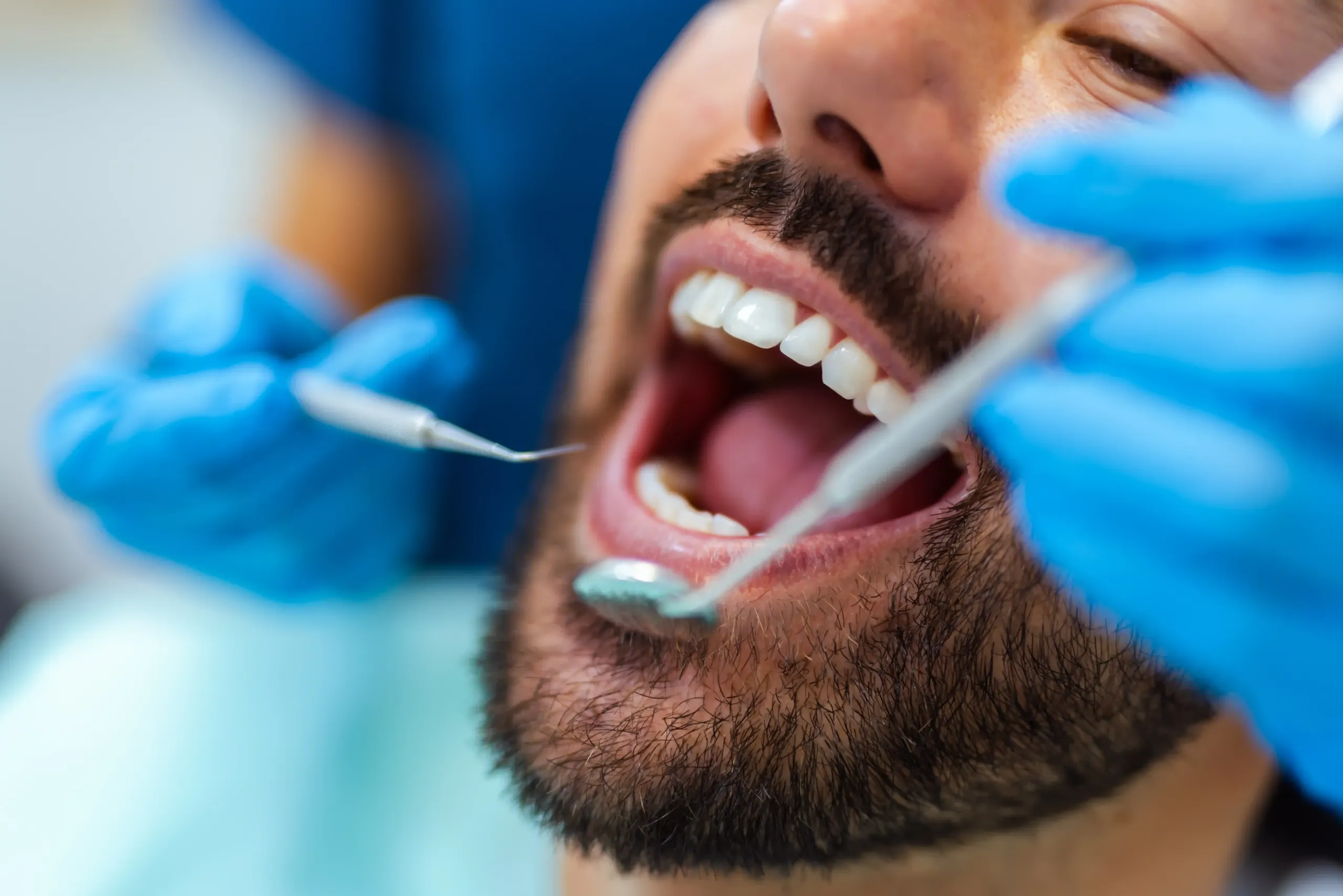
Diagnosis and treatment for implants that have become loose, painful, or infected.
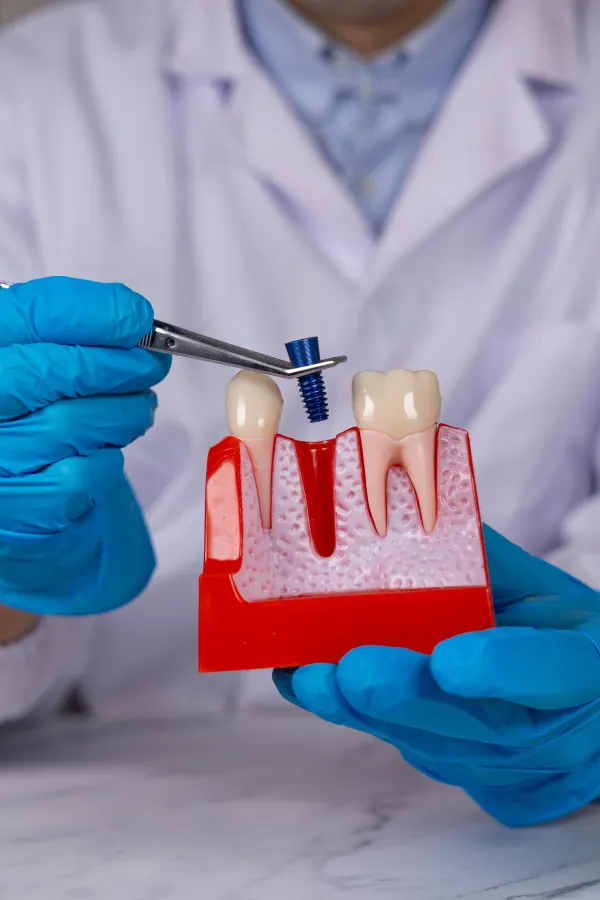
Recognizing the Warning Signs
Dental implants succeed in roughly 95 percent of cases, but implants can loosen, ache, or develop infection even years after placement. The warning signs are usually clear: an implant or crown that moves when you chew, bleeding or swollen gums around the implant, gum recession exposing metal threads, persistent bad taste or odor, or new pain and tenderness. None of them are normal, and none of them resolve on their own.
Most implant failure traces back to a handful of causes. The leading one is peri-implantitis, a bacterial infection of the gum and bone around the implant that affects roughly one in five implant patients over time. Others include overloading from teeth grinding, a loose or broken abutment screw, insufficient bone, smoking, and uncontrolled diabetes. Implant problems progress silently, and bone lost around an implant does not grow back on its own, which is why every warning sign deserves an exam now rather than later.
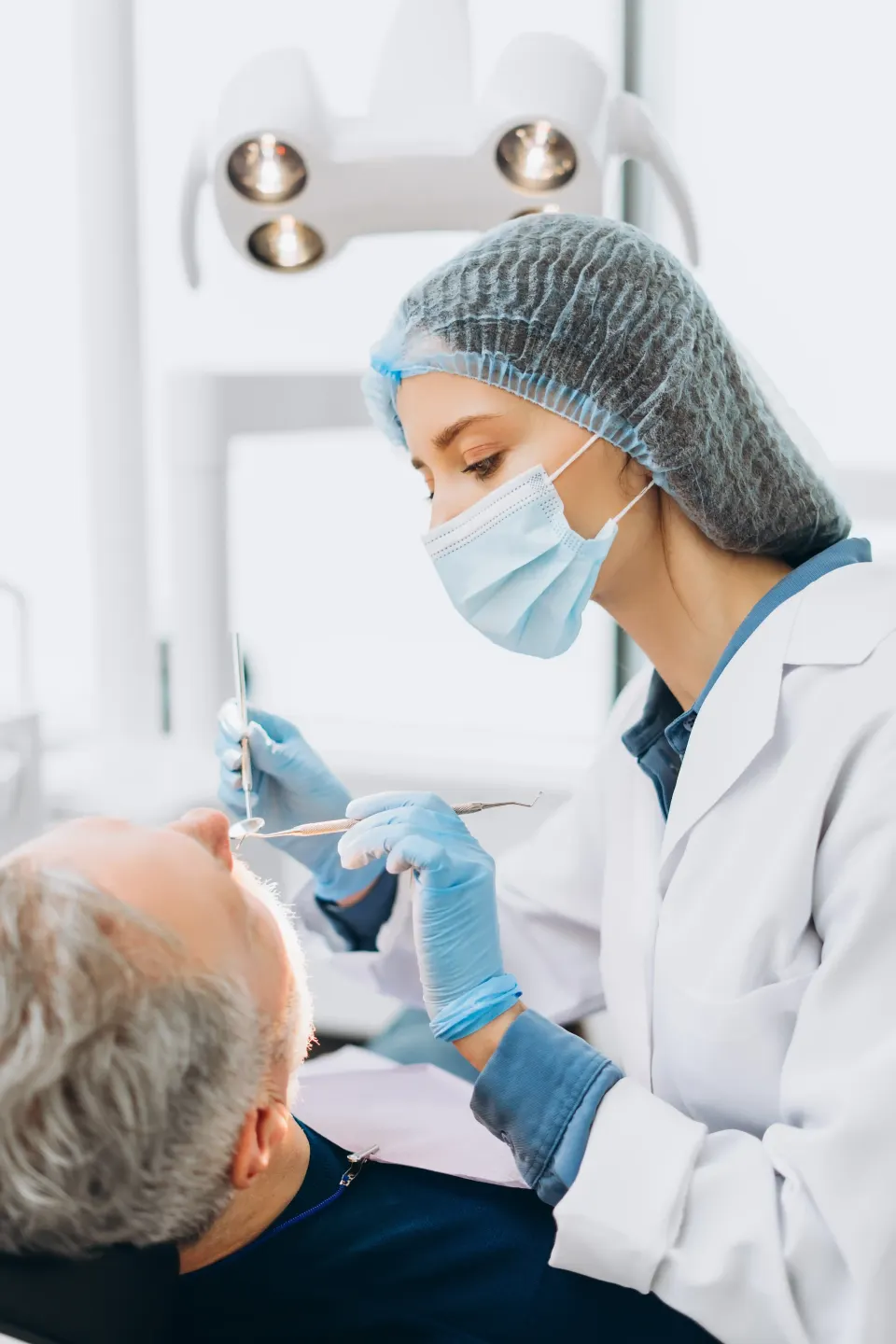
Finding Your Best Solution
Very few patients are excluded from diagnosis and repair. The earlier you come in, the more we can save: implants treated at the first warning signs have far better outcomes than those treated after months of silent bone loss.
Conditions that contributed to the failure need to be addressed alongside the repair itself, and Dr. Manmode reviews your full medical and dental history before recommending a plan.
Why Early Repair Wins
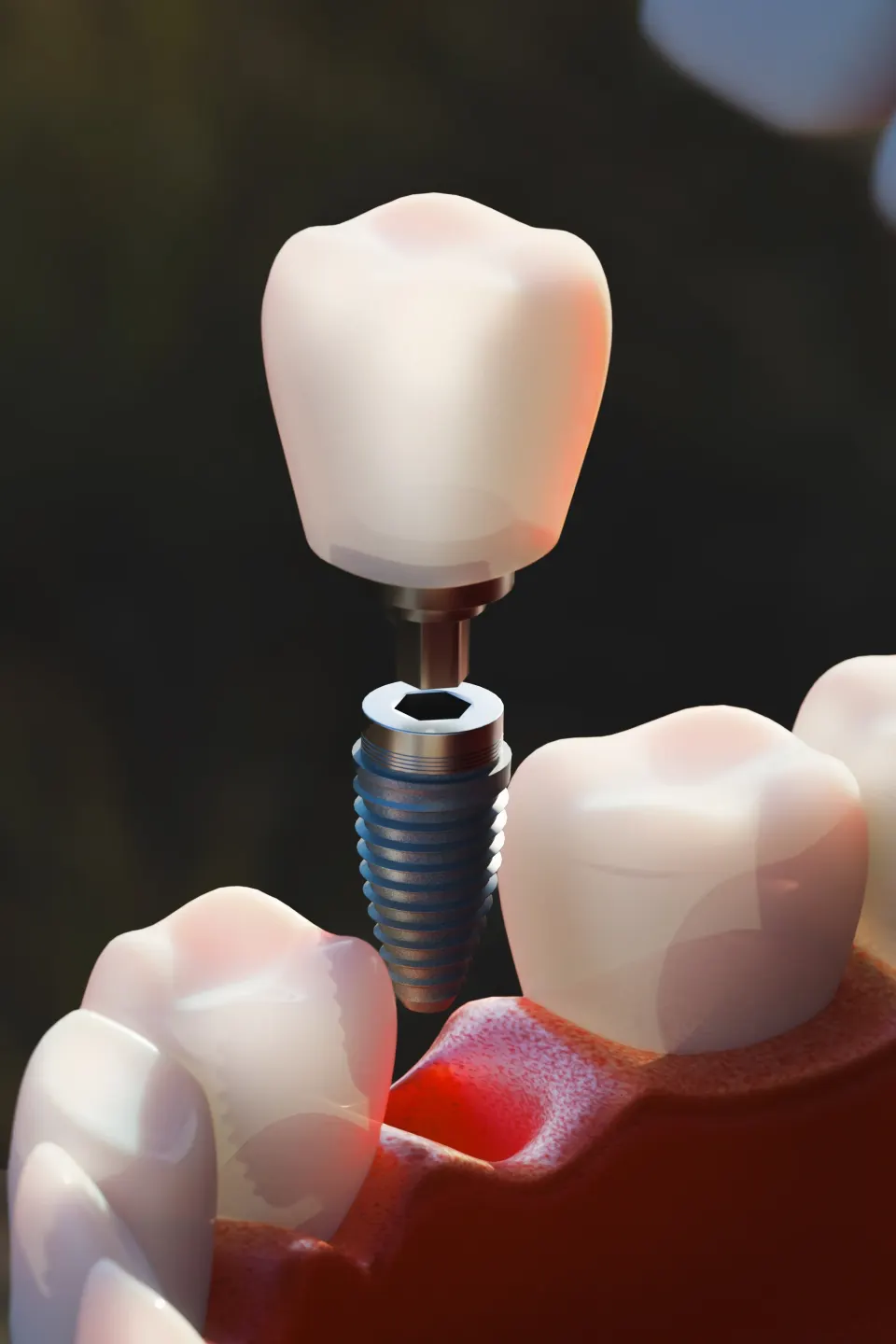
Early repair usually saves the implant you have, with no removal or regrafting
Treating infection early halts the bone loss that makes every later option harder
Diagnosis comes first, so you pay to fix the actual problem, not to guess at it
We repair implants wherever they were placed, and there is no lecture, just a plan
A repair typically costs a fraction of removal and full implant replacement
The cost of dental implant repair in Longwood depends entirely on the diagnosis: tightening a loose screw costs a fraction of treating advanced peri-implantitis with bone grafting. Every repair plan starts with an exam and 3D imaging, after which you receive exact pricing before any treatment begins.
When an implant truly cannot be saved, we remove it gently, graft the site, and plan a dental implant replacement on a healthy foundation. You will always know both paths and both prices before deciding.
Dental World offers affordable financing options, and our team will walk you through them at your consultation:
Many dental plans cover part of implant maintenance and infection therapy. Our team will review your benefits with you. Call (407) 830-4401 with any questions about costs.
Compare Your Options
| Treatment | Mechanism | Time | Results | Duration | Downtime | Best For |
|---|---|---|---|---|---|---|
| Mechanical Implant Repair | Loose screw or crown tightened or replaced | 1 visit | Stability restored immediately | Long-term with maintenance | None | Loose implant crowns and abutment screws |
| Peri-Implantitis Therapy | Surface decontamination and antimicrobial therapy | 2-4 visits | Infection controlled, implant kept | Long-term with maintenance | 2-3 days | Early to moderate peri-implant infection |
| Regenerative Repair | Bone grafting rebuilds lost support around the implant | 3-6 months | Bone support rebuilt | Long-term with maintenance | 5-7 days | Advanced bone loss, implant still sound |
| Removal and Replacement | Implant removed, site grafted, new implant placed | 6-12 months | New implant on healthy bone | 25+ years | 7-10 days | Fractured implants or failed integration |
A clinical exam and 3D imaging show exactly what is happening at the implant, the bone, and the restoration.
You get a clear answer, crown, screw, infection, or bone loss, with repair and replacement paths priced first.
Dr. Manmode treats the actual cause, from a screw tightening in one visit to staged peri-implantitis therapy.
Once the implant is stable and the tissue healthy, the crown or bridge is refitted so your bite feels natural.
You leave with a maintenance plan: cleanings on schedule, implant-specific home care, and a night guard if needed.
What to Know
Mild soreness, swelling, or gum tenderness for a few days after treatment is normal, managed with over-the-counter pain relief and settling on its own. Because peri-implantitis behaves like advanced gum disease around natural teeth, our gum disease treatment program runs alongside implant repair to protect both teeth and implants long-term.
In advanced peri-implantitis cases, regenerated bone may integrate incompletely and require staged treatment. Dr. Manmode discusses realistic outcomes for your specific case before you commit to any procedure.
Implant components and grafting materials used in repair are FDA-regulated devices with established safety standards. The honest risk in implant repair is not the treatment, it is waiting: bone lost to infection does not return on its own.
Your Questions Answered
Very often, yes, especially when treated early. Loose crowns and screws are quick fixes, and even peri-implantitis can be stopped and the bone rebuilt in many cases. The implants we cannot save are usually the ones that waited too long.
Movement, pain, bleeding or swollen gums around the implant, gum recession, or a persistent bad taste are the classic signs. Any of them justifies an exam, and the exam settles it. Implant problems are often painless in their early stages, so do not wait for discomfort.
It depends on the cause: a loose screw is a minor visit, while infection with bone loss involves staged treatment. You receive exact pricing after diagnosis, and financing is available through Cherry, Sunbit, CareCredit, Alphaeon, and Proceed Finance.
A bacterial infection of the gum and bone around an implant, similar to gum disease around natural teeth. It is the most common cause of late implant failure and is very treatable when caught early, before the supporting bone has been lost.
Yes. We diagnose and repair implants regardless of where they were placed, and 3D imaging tells us everything we need to know about the implant in place. There is no need to return to the original provider, and no lecture, just a plan.
We remove it gently, rebuild the site with grafting if needed, and plan a replacement implant once the foundation is healthy. You will have a clear path back to a fixed tooth, with both the timeline and the cost explained before we start.
Simple mechanical repairs finish in a single visit of 30 to 90 minutes. Infection treatment runs across several appointments, and regenerative cases add three to six months of healing between stages. You receive your exact timeline at diagnosis.
Most repairs are more comfortable than patients expect. Screw and crown work often needs no anesthetic at all, and surgical stages are done under local anesthesia with oral or IV sedation available. Soreness afterward is mild and settles in a few days.
Longwood's Implant Rescue Team
Nearly 20 years of experience and advanced implant training, applied by someone who places implants every week
3D imaging drives every diagnosis, so we treat the real problem at the implant, the bone, or the restoration
Diagnosis, infection therapy, grafting, new restorations, and replacement if needed, all under one roof
Affordable financing options make treatment accessible, and you know your exact cost before anything begins
Fixing the Real Point of Failure
Dental implant repair restores a compromised implant by treating its actual point of failure. Mechanical parts are tightened or replaced, infected surfaces are decontaminated, and bone lost to infection is regenerated with grafting. Every plan begins with a clinical exam and 3D imaging, so treatment matches the cause instead of guessing at it.
Once the implant is stable and the tissue healthy, the crown or bridge is refitted or remade so your bite feels natural again. A repaired implant with healthy bone and gums can serve for the long term, provided the maintenance plan is followed: cleanings on the right schedule, implant-specific home care, and a night guard if grinding played a role.