Evaluation
A clinical exam and 3D imaging confirm your bone, plan the implant position, and settle zirconia versus titanium.

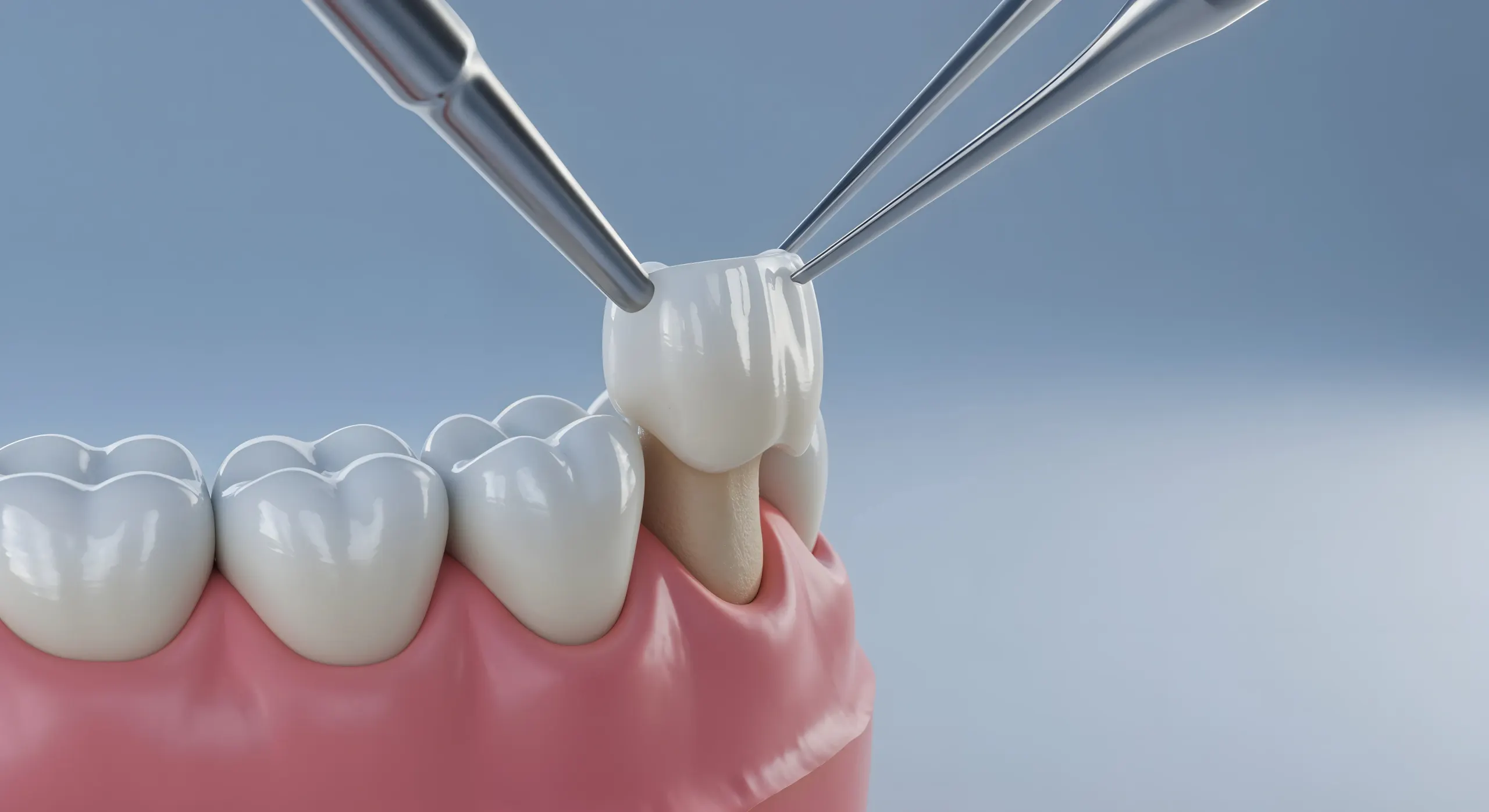
White, hypoallergenic ceramic tooth roots with the same permanent, fixed result as titanium.
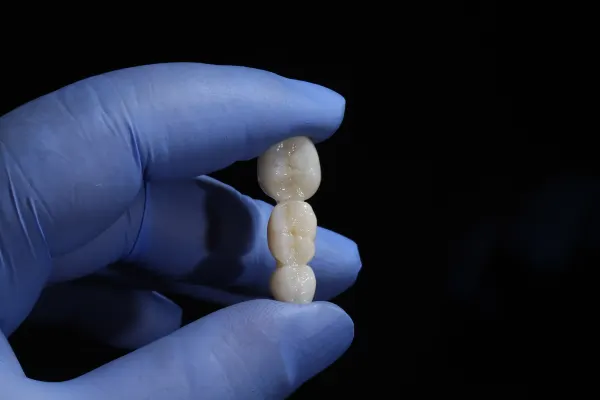
Understanding Metal Sensitivity
Titanium implants are the long-proven standard and remain an excellent choice for most patients. But some patients have metal sensitivities or allergies, some have autoimmune conditions that make them cautious about metals, some have thin or receding gums where a grey implant can eventually show through as a dark line, and some simply prefer to keep metal out of their body as a personal or holistic health choice.
For all of them, dentistry now has a fully realized answer rather than a compromise: a ceramic implant that integrates with bone the way titanium does, delivers the same permanent result, and contains no metal at all. Zirconia is white throughout, so nothing grey can shadow through thin gum tissue even years later, and its smooth surface attracts less plaque than metal. The result is a fixed tooth that behaves like a natural one, with nothing metallic anywhere in it.
Finding Your Best Solution
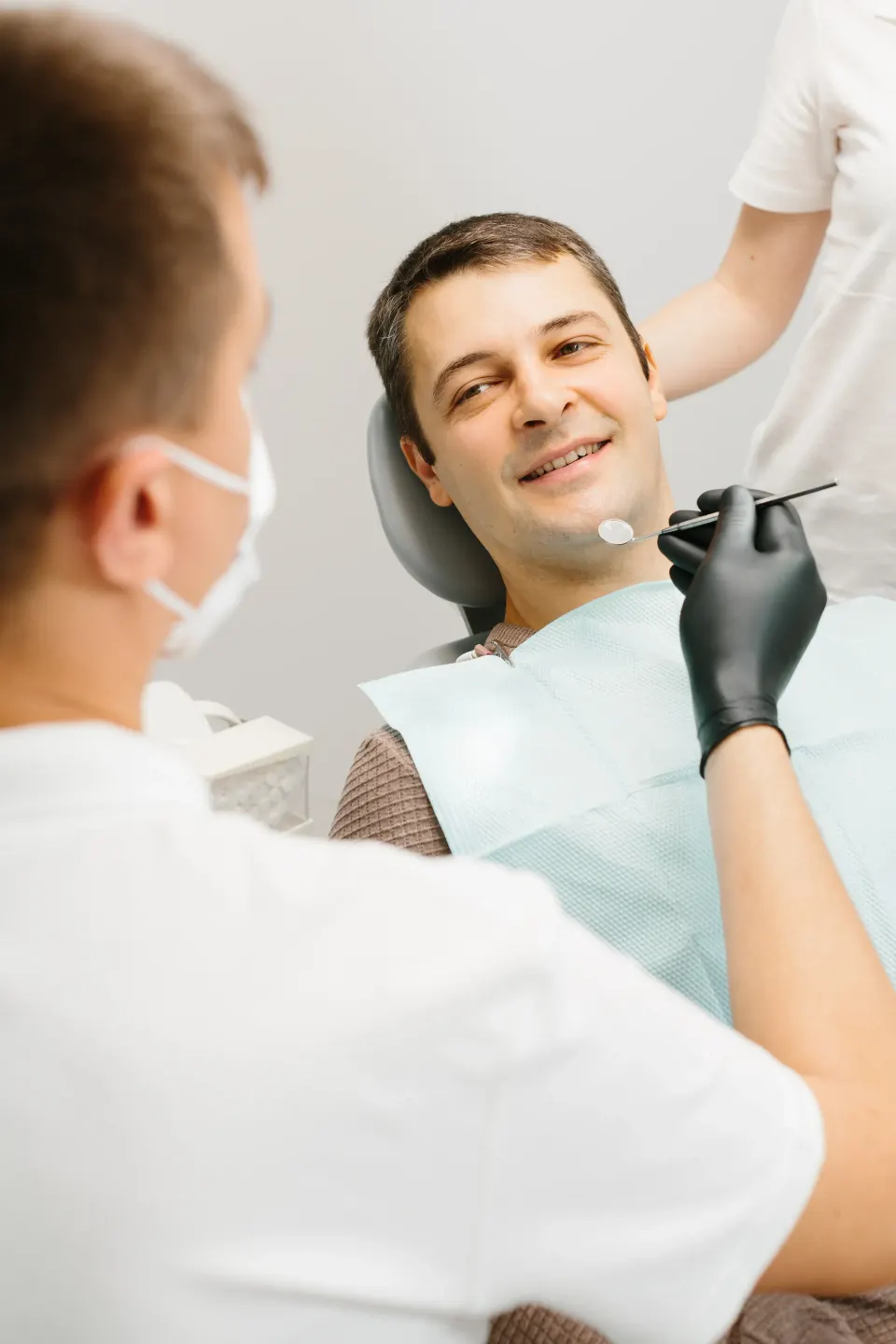
Candidates for zirconia need adequate bone and healthy gums, the same foundations as any implant. What decides zirconia over titanium is usually health history and aesthetics rather than the bone itself.
Dr. Manmode reviews your history and imaging before recommending either path, and because Dental World places both materials, the recommendation is not limited by what we stock.
Why Patients Choose Ceramic
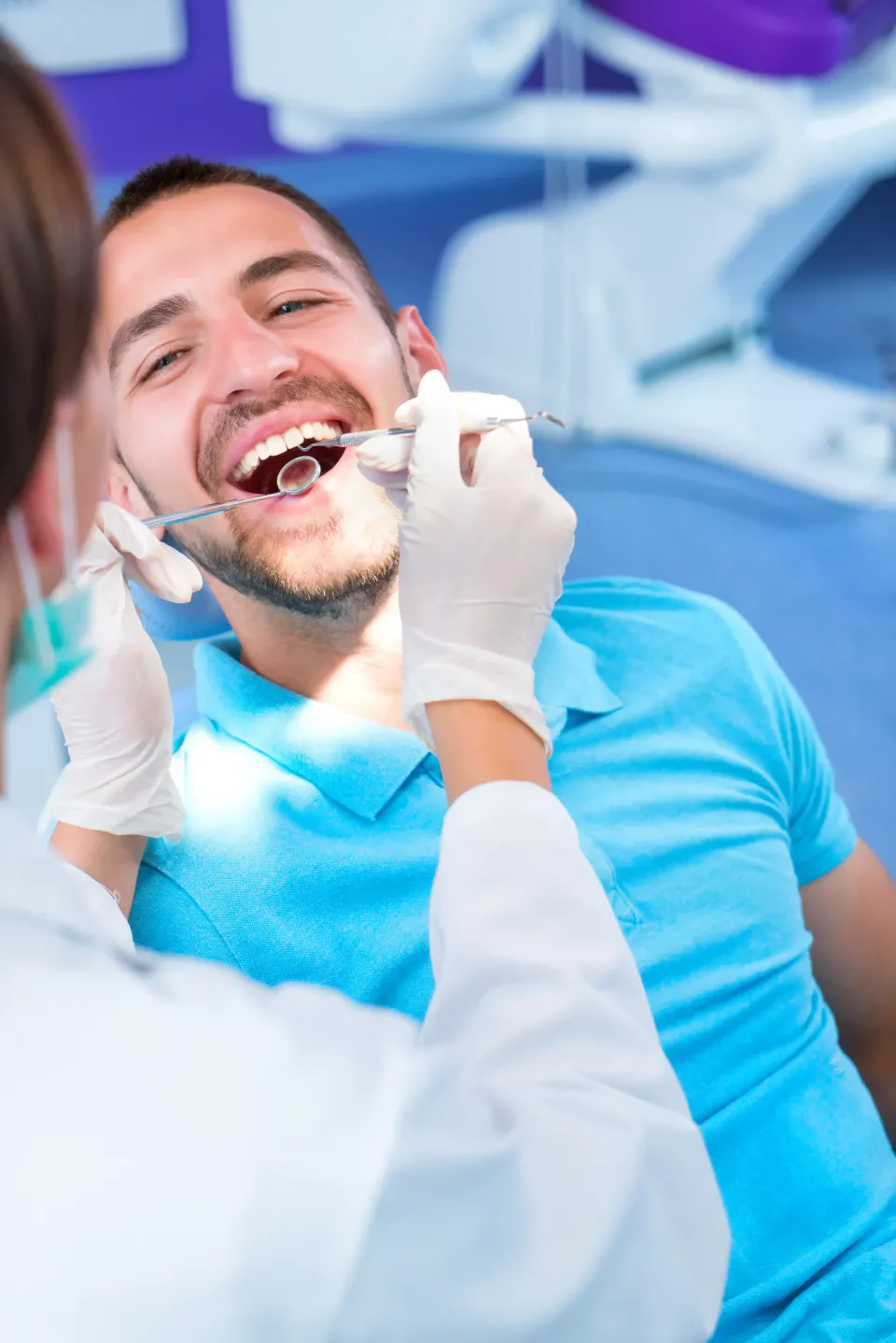
No metallic titanium, the answer for metal sensitivities and allergies
White throughout, so nothing grey can shadow through thin gums
The smooth ceramic surface attracts less plaque than metal does
Ceramic does not corrode, conduct temperature, or react with metals
Integrates with your jawbone and anchors a fixed crown or bridge
The cost of zirconia dental implants in Longwood depends on the number of teeth replaced, whether bone grafting is needed, and the final restoration. You receive exact pricing at your consultation, before anything begins.
Zirconia typically carries a modest premium over titanium dental implants because of the material and components. Because we place both, you will see both prices side by side and choose with full information.
Dental World offers affordable financing options, and our team will walk you through them at your visit:
Call (407) 830-4401 with any questions about costs, and our team will review your benefits with you.
Compare Your Options
| Treatment | Mechanism | Time | Results | Duration | Downtime | Best For |
|---|---|---|---|---|---|---|
| Zirconia Implants | Ceramic root integrates with the jawbone | 3-6 months total | White, metal-free fixed tooth | Designed to be permanent | 7-10 days | Metal sensitivity, thin gums, holistic preference |
| Titanium Implants | Titanium post integrates with the jawbone | 3-6 months total | Fixed tooth, grey post below gum | 25+ years | 7-10 days | Complex and full-arch cases, longest track record |
| Dental Bridges | Anchored to the adjacent natural teeth | 2-3 weeks | Fixed restoration, no surgery | 10-15 years | Minimal | Replacing 1-3 adjacent teeth quickly |
| Removable Partial Denture | Clasped prosthetic sitting on the gum | 4-8 weeks | Removable replacement teeth | 5-10 years | None | Lowest cost option or insufficient bone |
A clinical exam and 3D imaging confirm your bone, plan the implant position, and settle zirconia versus titanium.
The ceramic implant is placed in a precise, minimally invasive procedure, with oral or IV sedation available.
Over the following months the zirconia implant fuses with your jawbone, the same process that anchors titanium.
Depending on the implant design, the connector for your new tooth is prepared and the gums shaped to emerge naturally.
A ceramic crown or bridge matched to your natural teeth completes a fully metal-free tooth, root to surface.
What to Know
Temporary soreness, swelling, or minor bruising after placement is normal and settles within days, the same recovery profile as conventional implants. Mild bleeding at the site during the first 24 to 48 hours is expected, and over-the-counter pain relief is usually enough.
Zirconia's specific consideration is fracture resistance under very heavy load, which modern implant design has substantially addressed and which we manage through case selection and bite planning. Like any implant, zirconia must be protected from peri-implant infection through good home care and regular maintenance.
Zirconia dental implants are FDA-cleared medical devices made from zirconium dioxide, a ceramic with decades of clinical use in dentistry and orthopedics.
Your Questions Answered
For most single tooth and bridge cases, published survival rates are comparable in the medium term. Titanium keeps an edge in some complex full-arch cases and has longer-term data. The honest answer is case-by-case, and we offer both, so you get the one that fits your situation.
Yes. Zirconia is the ceramic that modern metal-free implants are made of, so all three names describe the same treatment. If you have been researching ceramic implants or metal-free implants, this is the page for that treatment.
Patients with metal allergies or sensitivities, thin or receding gums where grey metal could show, autoimmune caution around metals, or a preference for holistic, metal-free dentistry. Dr. Manmode confirms whether your bone and bite suit zirconia at the consultation.
Yes. Zirconia contains no metallic titanium and is hypoallergenic, which is one of the main reasons it exists as an alternative. Zirconium dioxide is a ceramic oxide rather than a metal, and it does not corrode or conduct.
With healthy gums and good maintenance, zirconia implants are designed as a permanent tooth replacement, and published reviews report high survival rates at 10 years. Long-term success depends on the same care as any implant: cleanings, home care, and bite protection.
Cost depends on the number of teeth, grafting needs, and the final restoration, with a modest premium over titanium. You receive exact pricing after your exam, and financing is available through Cherry, Sunbit, CareCredit, Alphaeon, and Proceed Finance.
Most cases run a few months from placement to final restoration, driven by the healing period while the implant integrates with bone. Placement itself takes one to two hours. Dr. Manmode confirms your exact timeline at the consultation.
Yes. Zirconia implants can anchor metal-free bridges for two or more adjacent missing teeth. Some complex full-arch reconstructions are still better served by titanium, and Dr. Manmode will tell you plainly which applies to your case.
Both Materials, One Practice
Nearly 20 years of experience and advanced implant training, applied to both titanium and ceramic systems
3D imaging and careful bite planning decide whether zirconia fits your case, which is how ceramic implants last
Consultation, placement, restoration, and maintenance under one roof, with oral and IV sedation available
Affordable financing options make metal-free treatment accessible, with your exact cost known before we begin

The Ceramic Behind Metal-Free Implants
Zirconia implants are tooth roots made from zirconium dioxide, a high-strength ceramic material. The element zirconium is technically a metal, but zirconium dioxide is a ceramic oxide: white, corrosion-free, and non-conductive. That is why zirconia, ceramic, and metal-free implants are three names for one treatment. Like titanium, zirconia integrates with the jawbone to anchor a permanent tooth.
Treatment follows the same path as a conventional implant: consultation with 3D imaging, minimally invasive placement, a healing period while the implant integrates, and a ceramic crown to finish. The result is a fixed, natural-white tooth designed to be permanent, with survival rates comparable to titanium.